


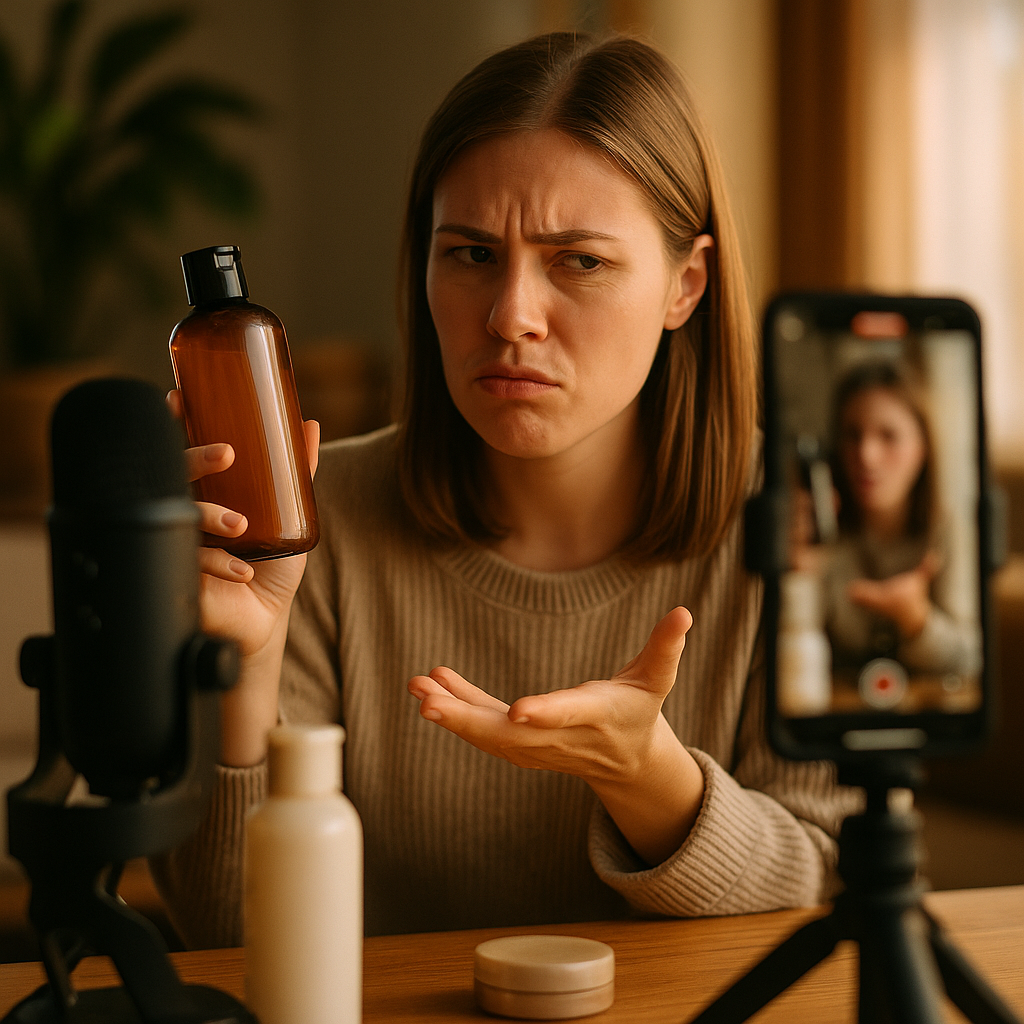
De-influencing has emerged as a powerful movement in the digital landscape, encouraging consumers to think critically and resist impulsive trends. As brands and creators face increased scrutiny, learning how to turn this negativity into opportunity is essential for long-term success. Read on to discover the strategic advantage hidden within de-influencing in 2025 and how you can benefit from it.
Understanding the Rise of De-Influencing and Its Impact
The rise of de-influencing is changing the social media landscape. Unlike traditional influencers who promote products, de-influencers focus on discouraging unnecessary purchases and critiquing viral recommendations. In 2025, research from DataReportal shows that over 65% of Gen Z and Millennials prefer authentic, honest reviews over paid sponsorships. This shift is driving brands and creators to rethink their approach and build deeper trust with their audiences.
De-influencing is more than a trend; it’s a response to overwhelming consumer fatigue, rampant misinformation, and the anxiety caused by relentless product cycles. The phenomenon holds major implications for marketing, pushing businesses and content creators to prioritize transparency, honesty, and long-term relationships over quick conversions.
Embracing Authenticity: A Brand’s Competitive Edge
Brands that embrace authenticity are thriving in the age of de-influencing. Consumers are increasingly skeptical of overt advertising and eager for genuine engagement. According to a 2025 study by Edelman, 81% of consumers trust a brand more when its messaging is honest—even if the message is negative.
- Transparent Communication: Brands should clarify product limitations and admit shortcomings. This transparency can transform critics into advocates.
- Active Listening: Monitoring customer feedback and responding openly builds lasting credibility.
- Value-Driven Content: Share stories that go beyond sales pitches. Educate, inform, and empower your audience to make mindful choices.
By integrating these strategies, companies not only shield themselves from de-influencing but also unlock new avenues for growth and loyalty.
Leveraging De-Influencing Trends for Influencer Partnerships
Influencer partnerships are evolving in response to de-influencing. Micro-influencers and subject-matter experts who prioritize honesty over hype are gaining traction. In 2025, brands should look for creators who are comfortable discussing both the pros and cons of products. This honest approach resonates with audiences, as proven by a Statista survey indicating that 62% of consumers act on recommendations backed by balanced, nuanced reviews.
To capitalize on de-influencing trends, brands should:
- Work with creators who have established trust through critical, transparent content.
- Encourage open dialogue and even negative feedback if it helps set realistic expectations.
- Reward influencers for long-term ambassadorship, rather than one-off promotional campaigns.
This balanced partnership approach helps brands maintain relevance while building deeper connections with their target demographics.
Turning Negative Attention Into Growth Opportunities
Negativity doesn’t have to spell disaster. In fact, negative reviews and de-influencing posts can be powerful catalysts for growth—if handled skillfully. Here’s how to turn criticism into opportunity:
- Proactive Response: Quickly address negative feedback with sincerity and a solutions-oriented attitude. Publicly resolving issues demonstrates accountability.
- Continuous Improvement: Use feedback to identify product or service gaps, then communicate your improvements transparently.
- Engage Critics: Invite critics to test updated products or services, turning detractors into advocates and amplifying your commitment to quality.
According to Trustpilot’s 2025 Consumer Trust study, 78% of consumers are more likely to support brands that use customer feedback constructively and visibly implement changes.
Innovative Marketing Strategies Amid De-Influencing
With de-influencing on the rise, traditional marketing needs a refresh. Innovative brands are leveraging user-generated content, unbiased review platforms, and interactive campaigns to cut through skepticism. Techniques that prove effective in 2025 include:
- User-Generated Content: Encouraging real customers to share unscripted experiences increases credibility and reach.
- Third-Party Reviews: Partner with impartial platforms where products are honestly critiqued, lending authority to your claims.
- “Try Before You Buy” Initiatives: Lowering purchase barriers shows confidence and builds goodwill among cautious buyers.
- Educational Campaigns: Prioritize transparency by producing content that educates rather than just promotes, addressing common concerns head-on.
By embracing more interactive and informative marketing, organizations can navigate de-influencing waves while cultivating loyal communities of advocates.
EEAT: Establishing Expertise and Trust in a Skeptical Market
In 2025, Google’s guidelines favor content demonstrating EEAT: Experience, Expertise, Authoritativeness, and Trustworthiness. This framework is especially critical as de-influencing prompts consumers to question every recommendation. Brands and creators can boost their EEAT by:
- Showcasing Qualifications: Highlight relevant credentials, staff bios, and testimonials universally across web and social channels.
- Offering Evidence: Reference up-to-date research, data, and expert opinions in your content.
- Maintaining Updated Content: Regularly revise information to reflect the latest findings and address user concerns transparently.
- Linking to Sources: Use authoritative outside references to back your claims, demonstrating due diligence.
Prioritizing EEAT can help your brand or channel become an authority that audiences trust—even in the face of de-influencing trends.
Frequently Asked Questions about De-Influencing
-
What is de-influencing?
De-influencing is a movement where creators and consumers discourage unnecessary purchases, promote critical thinking, and focus on honest reviews rather than sponsored content. It’s reshaping digital marketing and consumer behavior by prioritizing authenticity and transparency.
-
Why has de-influencing become popular in 2025?
In 2025, consumer fatigue with excessive ads, lack of transparency, and concerns over misinformation have fueled the demand for honest, balanced content. As a result, de-influencing has surged, especially among younger demographics seeking trustworthy guidance.
-
How can brands benefit from de-influencing?
Brands can benefit by embracing negativity as growth opportunities, prioritizing transparent communication, collaborating with honest influencers, and building trust through EEAT best practices. This strategy leads to stronger customer loyalty and long-term relevance.
-
Is de-influencing harmful to traditional influencers?
De-influencing challenges the traditional influencer model but doesn’t eliminate influencer marketing. Influencers who are authentic and transparent continue to thrive by establishing deeper trust with their audiences and brands.
-
What marketing strategies work best amid de-influencing?
Top strategies include user-generated content, unbiased review partnerships, educational campaigns, and initiatives that lower purchase barriers. These approaches resonate with skeptical, well-informed consumers in the current landscape.
De-influencing has transformed digital marketing in 2025, pushing brands and creators to prioritize honesty and long-term trust. By turning negativity into opportunity, you can foster deeper connections, boost brand loyalty, and stay ahead in an increasingly discerning market. Embrace authenticity, and let de-influencing be your catalyst for meaningful growth.