


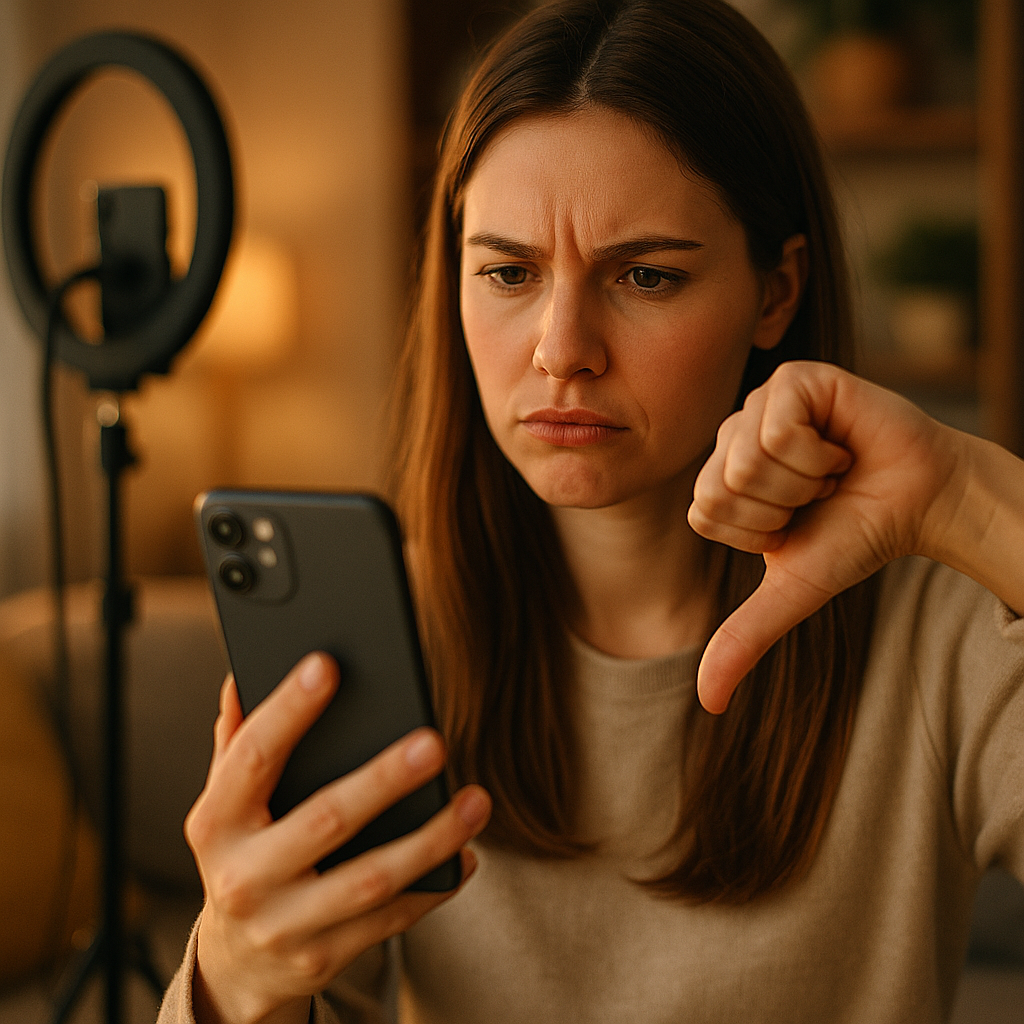
The impact of de-influencing trend on consumer trust has emerged as a hot topic in the evolving world of social media and online shopping. As audiences grow warier of sponsored content and misleading product claims, de-influencing is changing the digital marketing landscape. How is this trend really shaping consumer trust and brand relationships today?
The Rise of De-Influencing and Consumer Skepticism
De-influencing began as a counter-movement to the proliferation of influencer marketing, where online personalities recommend products for compensation. In 2025, more consumers than ever are expressing skepticism about the authenticity of such recommendations. Recent Statista surveys reveal that only 38% of Gen Z consumers fully trust influencer endorsements. As a result, content creators now focus on honest reviews and even advise their audiences what not to buy, fostering transparency and reshaping audience expectations.
Authenticity as the New Currency in Social Media
The secondary keyword—authenticity in influencer marketing—is at the core of this transformation. De-influencing hinges on influencers’ willingness to admit product flaws, whether from personal experience or crowd-sourced feedback. By prioritizing honest assessments, influencers are distancing themselves from a purely promotional image. A 2025 survey by Influencer Marketing Hub found 74% of consumers consider authenticity more important than follower count when selecting influencers to trust, highlighting this shift in values.
Balancing Transparency with Communities’ Needs
For the trend to have a positive impact on consumer trust, transparency must be balanced with a sincere desire to help audiences, not just accumulate views or controversy. Influencers who preface their criticisms with research or personal trials establish transparency in product recommendations, demonstrating that their primary motivation is audience well-being. This approach builds a deeper sense of loyalty and reliability, strengthening communities while weeding out exaggerated or unsubstantiated claims.
The Business Perspective: Challenges and Opportunities for Brands
Brands are quickly adapting to the demands of the de-influencing trend. Brand reputation in the digital age depends on robust product quality and open dialogue with both influencers and consumers. Companies now vet influencers for alignment with brand values and encourage genuine feedback, even if some is critical. Brands willing to accept and address online criticism are often rewarded with higher credibility. De-influencing, in this sense, acts as a filter, challenging brands to improve their offerings and communication—or risk being called out in the social media spotlight.
Long-Term Effects: Is Consumer Trust Being Restored?
As de-influencing matures, its impact on consumer trust becomes more pronounced. While some feared it might breed cynicism, early evidence shows that responsible de-influencing restores faith in influencer culture by recalibrating the focus on honest advice and user wellbeing. Platforms such as TikTok and Instagram now support features for flagged paid promotions and encourage creators to disclose affiliations, further normalizing open dialogue. These developments collectively foster an environment where consumers feel empowered and aware, reducing the likelihood of falling for misleading marketing.
What the Consumer Should Look For
To benefit from de-influencing’s impact, savvy consumers should:
- Prioritize influencers who share comprehensive, experience-based reviews
- Check for transparent disclosure of brand partnerships or sponsorships
- Engage with diverse content to avoid echo chambers or one-sided criticisms
- Look for creators who respond thoughtfully to feedback and update their advice as needed
Awareness of these red and green flags helps individuals build their own filter for credible content and trusted recommendations.
FAQs: The De-Influencing Trend and Consumer Trust
-
What is de-influencing?
De-influencing is when influencers advise against purchasing overhyped or ineffective products, often offering honest assessments and alternatives. This trend aims to create a more transparent, consumer-friendly social media environment.
-
How does de-influencing affect trust in social media?
By fostering honest discussions and curbing paid promotional bias, de-influencing enhances consumer trust, making followers feel confident about the authenticity of recommendations they receive online.
-
Is de-influencing here to stay?
Experts predict the movement will continue growing, as consumers favor influencers who choose truth over profit. Platforms themselves are increasingly supporting transparency tools, further anchoring the trend.
-
How can brands respond effectively to de-influencing?
Brands should listen to feedback—positive and negative—improve product quality where needed, and collaborate with authentic creators who share balanced viewpoints about their offerings.
-
Are there risks associated with de-influencing?
While generally positive, unchecked de-influencing can encourage negativity or misuse. It’s important for both creators and audiences to focus on balanced discourse, facts, and respect for differing opinions.
In summary, the impact of de-influencing trend on consumer trust is ultimately positive—when handled responsibly. By encouraging authenticity, transparency, and genuine dialogue, de-influencing paves the way for more reliable influencer culture and empowered consumers in 2025 and beyond.