


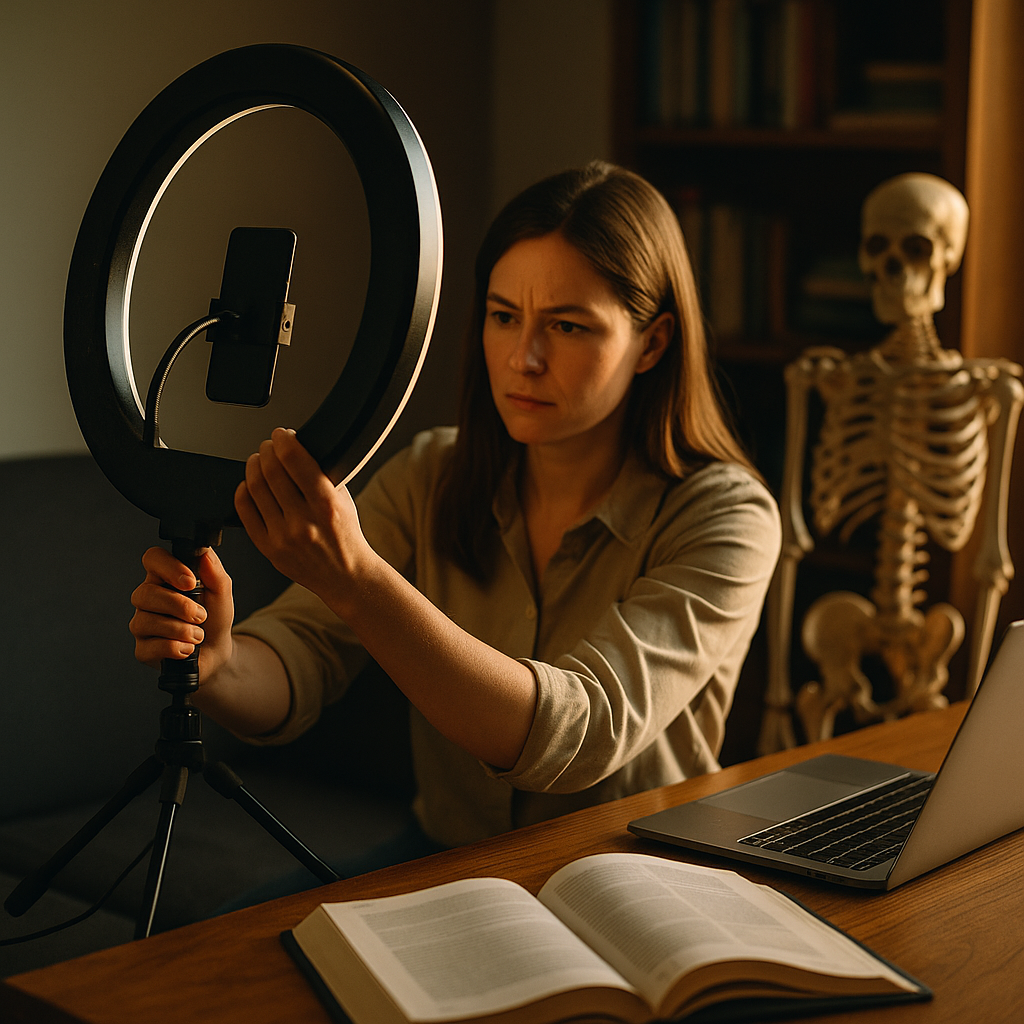
In 2025, audiences and algorithms reward credibility over charisma, pushing creators to choose a lane and master it. The Death of the Generalist Influencer is not a moral judgment; it’s a market correction driven by search behavior, platform incentives, and buyer skepticism. Brands want measurable impact, not broad vibes, and followers want real outcomes. If you create content, the next move matters—are you ready?
Why the generalist influencer model is breaking
The classic generalist influencer playbook—post broadly, chase trends, and monetize attention—worked when feed reach was cheap and audiences tolerated shallow recommendations. In 2025, that model collapses under three pressures: attention fragmentation, verification culture, and platform optimization.
Attention fragmentation: People don’t just “scroll social.” They split time across short-form video, podcasts, newsletters, communities, and search. When attention spreads out, audiences become less forgiving of content that feels interchangeable. Generalists struggle to provide a reason to stay.
Verification culture: Consumers increasingly check credentials, reviews, and real-world proof before purchasing. This is especially true in high-stakes categories like health, personal finance, cybersecurity, parenting, and career advice. A creator who rotates from skincare to crypto to meal prep signals breadth, not depth, and depth is what trust requires.
Platform optimization: Discovery systems are better at matching specific questions to specific answers. Even if a platform is “social,” it behaves more like a search engine: it rewards content that resolves a clear intent. Domain-focused creators build consistent topical signals, which improves recommendation accuracy and long-term reach.
Put simply: generalists often entertain, but experts help people decide. In a competitive market, decision support wins.
How domain experts win on trust, conversions, and retention
Domain experts outperform because they align with how trust forms online: repeated demonstrations of competence in a narrow area. Expertise also compounds: each piece of content strengthens your topical authority, making the next piece easier to rank, recommend, and monetize.
Trust: Expertise is legible. When a creator consistently explains one domain—say, B2B pricing strategy, postpartum strength training, or home espresso—audiences learn what to expect. That reliability reduces perceived risk, which is the core barrier to purchase.
Conversions: Brands pay for outcomes. Experts produce stronger conversion paths because their audience follows them for a specific problem. That makes product fit easier to evaluate and track. If you teach email deliverability, your audience is already in-market for ESP tools, warm-up services, and compliance guidance.
Retention: Generalists spike on novelty; experts grow on progress. When followers use your advice and see results, they return. This fuels saves, shares, and repeat views—signals that platforms interpret as high quality.
Community depth: Experts create higher-quality comments and discussions because the audience has a shared context. That boosts engagement in a way that’s harder to fake and easier to moderate.
If you’re wondering whether “expert” requires a degree: not always. It requires demonstrated competence, transparent experience, and responsible boundaries around what you do and don’t know.
What niche content strategy looks like in 2025
A niche strategy is not “pick a niche and repeat yourself.” It’s an operating system: you choose a specific audience, a specific job-to-be-done, and a consistent set of proof points. The goal is to become the creator people trust when they have a certain question.
Start with a problem, not a topic: “Fitness” is a topic. “Strength training for desk workers with recurring back pain” is a problem. Problems attract intent, and intent attracts brand budgets.
Build a content ladder: Create levels that move people from awareness to action. For example:
- Discovery: Myth-busting, quick explanations, frameworks
- Consideration: Comparisons, case studies, tool breakdowns
- Decision: Implementation guides, checklists, templates
- Retention: Q&A, office hours, community challenges
Answer follow-up questions inside the post: Expert content anticipates objections: “What if I’m a beginner?” “How much does this cost?” “What’s the downside?” “When should I hire a pro?” This increases time on content and reduces confusion.
Use a repeatable proof format: Experts show their work. Depending on your field, that might be before-and-after metrics, lab references, code samples, tear-downs, or annotated workflows. The point is consistency: your audience learns that you don’t just assert—you demonstrate.
Make your boundaries explicit: In high-impact niches, state what your content is and isn’t. For example, a finance creator can clarify they provide education, not individualized investment advice. A health creator can cite sources and encourage professional consultation for diagnosis.
This is how you build authority without pretending to be infallible.
EEAT and creator credibility: proving expertise without being boring
Google’s EEAT principles—Experience, Expertise, Authoritativeness, and Trustworthiness—map cleanly to how audiences judge creators in 2025. You don’t need to write like a textbook. You need to show credible signals repeatedly.
Experience: Share real execution, not just opinions. Walk through what you did, what happened, and what you’d do differently. If you run paid ads, show how you structured campaigns and what improved performance. If you cook professionally, explain techniques and failure modes.
Expertise: Use precise language and accurate definitions. Avoid sweeping claims. If you cite research, summarize the takeaway and limitations. If your field changes fast (AI, SEO, medical topics), update guidance and note what changed.
Authoritativeness: Build third-party validation where appropriate: guest on relevant podcasts, collaborate with respected practitioners, earn certifications that matter in your niche, publish case studies with named stakeholders (with permission), and be consistent across platforms so your topical identity is obvious.
Trustworthiness: Disclose sponsorships clearly and early. Separate editorial opinion from paid placements. Show your evaluation criteria before you recommend a product. If something is an affiliate link, say so. Trust is built through predictable ethics, not perfect content.
Practical credibility checklist you can implement immediately:
- Bio clarity: one domain, one audience, one outcome
- Receipts: case studies, portfolios, screenshots, citations
- Methods: frameworks and repeatable processes
- Boundaries: disclaimers and “when to seek professional help” notes
- Corrections: visible updates when you’re wrong or guidance changes
This approach keeps content engaging while meeting the standards that platforms and audiences now expect.
Brand deals in the age of influencer marketing ROI
As budgets face scrutiny, brands have shifted from “reach-first” to “results-first.” That doesn’t mean awareness is dead; it means awareness must be credible enough to move downstream metrics. Domain experts win because they can explain fit, reduce buyer anxiety, and create assets that sales teams can reuse.
What brands look for now:
- Audience-quality signals: saves, shares, comments with substance, repeat viewers
- Fit proof: content history that matches the product category
- Performance clarity: trackable links, landing-page alignment, measurable outcomes
- Brand safety: predictable positioning and fewer off-topic controversies
How to package yourself as an expert creator:
- One-page offer: niche, audience, proof, deliverables, pricing ranges
- Case studies: what you made, why it worked, and what changed
- Testing mindset: propose A/B angles and iteration plans, not one-off posts
- Evergreen assets: tutorials and comparisons that keep converting
Answering the question brands won’t ask directly: “Can you drive action without damaging trust?” Experts can, because their recommendations sit within a known evaluation framework. When you tell people why a tool is right for a scenario—and when it isn’t—you increase conversions from the right customers and reduce refunds, churn, and negative sentiment.
How to transition from generalist to specialist without losing your audience
Many creators stay generalist because they fear the “niche trap.” In reality, the biggest risk is staying vague. The transition works when you narrow strategically, keep familiar formats, and bring your audience along.
Step 1: Audit what already works. Look at your top 20 posts by saves, shares, comments, and inbound DMs. What topics generate “Can you help me?” messages? That’s demand. Your niche should align with existing pull.
Step 2: Choose a wedge. Pick one specific promise for the next 8–12 weeks. Examples:
- “Help freelancers price and scope projects without undercharging.”
- “Teach busy parents 15-minute strength routines that prevent injury.”
- “Explain practical cybersecurity for small teams without jargon.”
Step 3: Keep 20% breadth, 80% depth. You can still show personality, lifestyle, and adjacent interests. The key is that most content reinforces your domain. This preserves relatability while strengthening topical authority.
Step 4: Build a signature framework. Experts are remembered through models. Create a simple system you can teach repeatedly—steps, pillars, or checklists. Your framework becomes the mental shortcut that ties your content together.
Step 5: Add proof and process. If you don’t have big wins yet, document your learning publicly: experiments, iterations, and measured outcomes. “Here’s what I tried and what happened” is often more trustworthy than polished claims.
Step 6: Create an ethical monetization path. Offer services, digital products, or partnerships that genuinely match your domain. If you promote everything, your audience learns that your niche is “selling,” not solving.
The goal is not to shrink your identity—it’s to make your value unmistakable.
FAQs about the domain expert influencer era
Is the generalist influencer truly “dead,” or just evolving?
It’s evolving into fewer, stronger categories. Broad lifestyle creators can still succeed, but they typically win through a distinct point of view, exceptional storytelling, or a recognizable brand world. For most creators, expertise-led positioning is the more reliable path to growth and monetization in 2025.
Do I need formal credentials to be considered a domain expert?
Not always. Credentials help in regulated or high-stakes niches, but audiences primarily look for demonstrated results, clear methods, and honest boundaries. If you’re in health, finance, or legal-adjacent areas, credentials and careful disclaimers become more important.
How narrow should my niche be?
Narrow enough that a stranger can describe you in one sentence, but broad enough to create 50–100 useful content ideas. A good test: if your audience can predict your next post category, you’re focused. If they can predict the exact post, you’re too repetitive.
What content formats work best for domain experts?
Formats that show work: tutorials, annotated breakdowns, case studies, comparisons with criteria, Q&A, and myth-busting with sources. The best format is the one you can publish consistently while maintaining accuracy and depth.
How do domain experts avoid being seen as “boring”?
Use clear examples, strong opinions backed by reasoning, and real stories from practice. Teach through scenarios and trade-offs, not lectures. Expertise becomes engaging when it helps people make a decision faster.
How long does it take to reposition from generalist to specialist?
Most audiences notice within a month, but trust compounds over several months of consistent, high-quality outputs. Expect a short transition period where growth may slow as platforms and followers recalibrate—then improvement as your topical signals strengthen.
In 2025, influence is shifting from broad appeal to credible utility. Generalist content still entertains, but it rarely earns lasting trust or consistent purchase intent. Domain experts win by solving specific problems, showing their work, and building ethical partnerships that match audience needs. The takeaway: pick a focused promise, publish proof-driven content, and let authority compound until your name becomes the shortcut for your niche.