


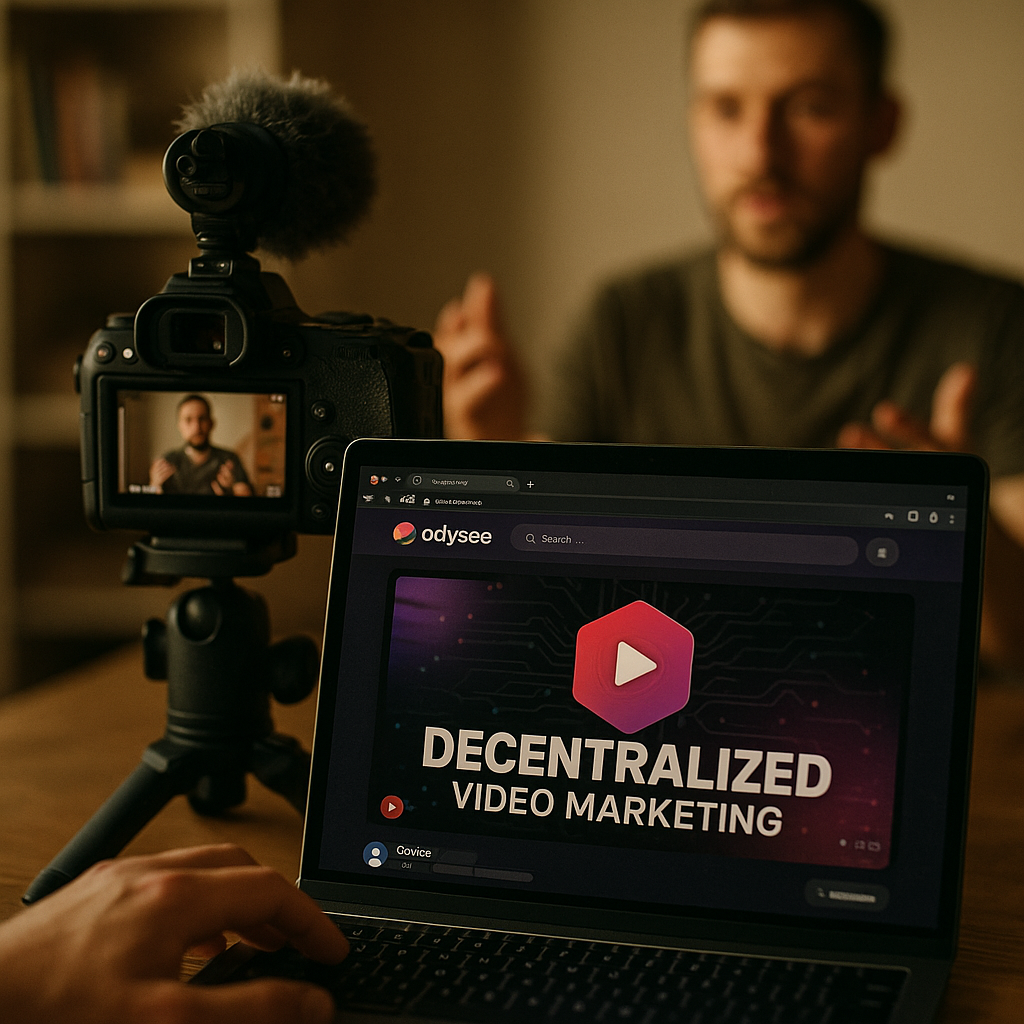
In 2025, creators and brands want reach without surrendering control to opaque algorithms. marketing on decentralized video platforms like Odysee offers distribution, ownership-friendly publishing, and communities that value transparency. But decentralized audiences behave differently than mainstream social feeds, and your usual playbook may underperform. This guide explains strategy, setup, measurement, and compliance—so you can launch confidently and scale sustainably. Ready to earn attention where trust is the currency?
Decentralized video marketing basics: how Odysee works
Decentralized video platforms differ from traditional video networks in structure and incentives. Odysee is built on the LBRY protocol, where content publication is recorded in a decentralized system while viewing can still feel familiar to users. For marketers, the practical impact is simple: your channel and content can be harder to deplatform, audiences can access videos through multiple front ends, and the community typically expects clearer disclosure and higher signal-to-noise.
What “decentralized” means for your strategy
- Portability and resilience: content references are not dependent on a single corporate database. Plan for long-tail discoverability, not just short-lived spikes.
- Community norms: users often prefer direct, transparent messaging over hype. If your pitch feels like a generic ad, they will bounce.
- Distribution mechanics: search, tags, and creator reputation carry more weight than “For You” feed volatility.
- Monetization culture: viewers may support creators via tips/credits and value creator independence. Your sponsorships must respect that independence.
When Odysee is a strong fit: niche products, developer tools, privacy-friendly services, education, open-source adjacent brands, B2B explainers, and creators who already own an audience elsewhere and want redundancy. When it’s not: impulse-buy consumer products that depend on massive algorithmic reach and trend hijacking.
Odysee channel optimization: setup, branding, and discoverability
Your first lever is a channel that looks credible and is easy to understand within seconds. On decentralized platforms, trust and clarity often outperform flashy production. Build a channel that signals expertise, consistency, and accountability.
Channel checklist (do this before publishing your first campaign)
- Positioning statement: one sentence describing who you help and what outcome you deliver.
- Visual identity: banner and avatar that match your website and other channels. Consistency reduces friction for newcomers.
- About section: include your credentials, what you publish, and how to contact you for partnerships. If you have relevant qualifications, mention them plainly.
- Link hygiene: use a dedicated landing page for Odysee traffic (more on tracking below) and include privacy-respecting analytics disclosures.
- Playlists (series): structure content into clear paths (e.g., “Start Here,” “Tutorials,” “Case Studies,” “Product Updates”).
Metadata that wins
- Titles: lead with the outcome, then the method (e.g., “Reduce Support Tickets with a 3-Step Setup”). Avoid clickbait; it backfires with audiences that value integrity.
- Descriptions: open with 2–3 lines that summarize value, then add chapters, links, and disclosures. Include the exact product name and the problem category for search.
- Tags: combine niche tags (specific) with category tags (broad). Keep them aligned with the actual content to avoid distrust.
- Thumbnails: prioritize legibility and one idea. Avoid overly polished “ad creative” vibes unless your brand already owns that identity.
Publishing cadence: start with a realistic schedule you can sustain for 90 days. Consistency builds familiarity, and familiarity drives subscriptions on platforms where social proof matters more than viral luck.
Content strategy for decentralized audiences: formats that convert
Decentralized communities usually reward usefulness, honesty, and depth. Your content should answer real questions and prove competence. Instead of producing “ads,” produce assets that earn trust and create repeat viewing.
High-performing formats for Odysee
- Problem-solution tutorials: show the workflow, include pitfalls, and provide a downloadable checklist.
- Transparent product walkthroughs: explain what your product does and what it does not do. Clear boundaries improve conversion quality.
- Case studies: document baseline, actions taken, timeline, and measurable outcomes. If you cannot share numbers, share directional impact and constraints.
- Founder/engineer explainers: talk through design choices, trade-offs, and roadmaps. This signals competence and reduces skepticism.
- Myth-busting and comparisons: “X vs Y” content performs when it stays fair and evidence-based.
Turn one idea into a series: decentralized platforms reward libraries. For example, a cybersecurity brand can build a “Secure Your Small Business” track: password manager setup, phishing drills, device hardening, backup strategy, and an incident response mini-plan. Each video naturally points to the next step, turning viewers into subscribers.
Calls-to-action that fit the culture
- Primary CTA: subscribe for the next lesson in the series (retention first).
- Secondary CTA: download a guide or template (email capture with consent).
- Offer CTA: free trial, demo, or consultation—only after you’ve delivered clear value in the video.
Answer likely follow-ups inside the video: price range, required setup time, compatibility, and what happens if the viewer stops using your product. Proactive clarity reduces skeptical comments and increases high-intent clicks.
Creator partnerships and sponsorships on Odysee: trust-first growth
On decentralized platforms, partnerships can outperform paid distribution because creators already have audience trust. Your job is to protect that trust while still achieving measurable business outcomes.
How to choose the right creators
- Audience overlap: match problems, not demographics. A creator talking to “solo developers” may be ideal for a B2B SaaS even with a modest subscriber count.
- Content integrity: creators who disclose clearly and critique honestly tend to drive higher-quality leads.
- Evergreen catalog: sponsorships on evergreen videos can deliver steady traffic for months, aligning with the long-tail nature of decentralized discovery.
Deal structures that work
- Fixed fee + performance bonus: protects the creator while aligning incentives. Use tracked links and a clear attribution window.
- Affiliate with floor: guarantee a minimum payout to avoid pushing creators into overpromising.
- Sponsored series: fund 3–6 episodes where your brand enables education. This usually feels less intrusive than a single hard-sell integration.
Briefing without controlling
- Provide: product access, a demo call, key claims with proof, forbidden claims, and a clear disclosure requirement.
- Avoid: scripting the creator’s personal experience. Audiences notice, and trust drops.
Minimum disclosure standard: ask creators to say the video is sponsored, place the disclosure near the top of the description, and clarify if links are affiliate links. This is both an ethical requirement and a conversion advantage—buyers trust transparent recommendations.
Analytics and attribution for decentralized video campaigns: measure what matters
Decentralized distribution can make attribution less straightforward if you rely only on platform-native metrics. You can still build a reliable measurement system by combining channel insights with privacy-respecting web analytics.
Set up a trackable path
- Dedicated landing pages: use a unique page per campaign or creator (e.g., /odysee or /partner-name) so you can measure visits and conversions cleanly.
- UTM parameters: standardize naming conventions (source=odysee, medium=video, campaign=series-name, content=episode-01).
- Coupon codes: for products that sell directly, codes provide an attribution backup when viewers don’t click.
- Server-side tracking (where appropriate): improves reliability while respecting consent settings.
Metrics to prioritize
- Qualified traffic: landing page engagement (time on page, scroll depth) and demo/trial starts.
- Retention signals: returning viewers and subscribers per video. On Odysee, growing subscribers often predicts long-tail performance.
- Conversion quality: trial-to-paid, refund rates, and support load. A campaign that drives fewer but better customers is a win.
- Content ROI: measure performance over weeks, not days. Evergreen content often compounds.
Practical attribution model: start with last-click for simplicity, then review assisted conversions using a short survey on your checkout or signup (“Where did you hear about us?”). Compare the survey results with tracked sessions to catch under-attributed influence.
Compliance, brand safety, and community management: protect credibility
Decentralized platforms can include a wider range of opinions and content styles. That doesn’t have to be risky if you set clear rules, communicate openly, and monitor placements thoughtfully.
Brand safety without paranoia
- Context checks: review a creator’s recent uploads and comment sections before sponsoring.
- Category boundaries: document where you will not appear (e.g., certain sensitive topics) and share that upfront.
- Claim substantiation: keep a living document with evidence for product claims, pricing, limitations, and support terms.
Community management that earns respect
- Respond like a human: answer questions directly, acknowledge limitations, and avoid corporate evasiveness.
- Pin a helpful comment: add links, a short FAQ, and a disclosure note to reduce repeated questions.
- Handle criticism publicly when possible: if someone raises a real issue, address it with steps taken. If it’s a support case, move to a ticket while posting the resolution summary later.
EEAT in practice: demonstrate expertise with clear explanations and verifiable claims, show experience by sharing real workflows and results, signal authoritativeness with consistent publishing and credible partnerships, and build trust through disclosures, privacy respect, and responsive support.
FAQs about marketing on decentralized video platforms like Odysee
-
Is Odysee worth it for small businesses in 2025?
Yes if you can educate a niche audience and benefit from evergreen discovery. It’s especially strong for products that require explanation (software, services, courses). If you rely on impulse viral reach, your ROI may be slower.
-
How do I grow faster on Odysee without paid ads?
Publish a series with consistent titles and thumbnails, optimize metadata, collaborate with aligned creators, and repurpose clips to other platforms that link back to a dedicated Odysee landing page. Focus on subscriptions and returning viewers as your core growth engine.
-
What type of content performs best on decentralized platforms?
Tutorials, honest comparisons, case studies, and deep-dive explainers typically outperform purely promotional videos. Audiences reward clarity and practical value.
-
How do I track conversions from Odysee?
Use dedicated landing pages, UTMs, and coupon codes. Combine web analytics with a “How did you hear about us?” question to capture influence that doesn’t show up as a click.
-
Should I repost my YouTube videos to Odysee?
Reposting can work, but tailor descriptions, CTAs, and playlists for the community. Add platform-specific intros, disclosures, and “start here” pathways so Odysee viewers don’t feel like an afterthought.
-
How should sponsorship disclosures be handled?
Creators should disclose sponsorships verbally in the video and in the description near the top, and label affiliate links clearly. Transparent disclosures protect trust and typically improve lead quality.
Decentralized video rewards brands that teach, document, and disclose. Build an optimized Odysee channel, publish series-based content that solves real problems, and partner with creators who protect audience trust. Track performance with dedicated landing pages, UTMs, and conversion-quality metrics—not vanity views. If you treat decentralized communities as thoughtful buyers and respect their norms, you can earn durable attention and compound results over time.