


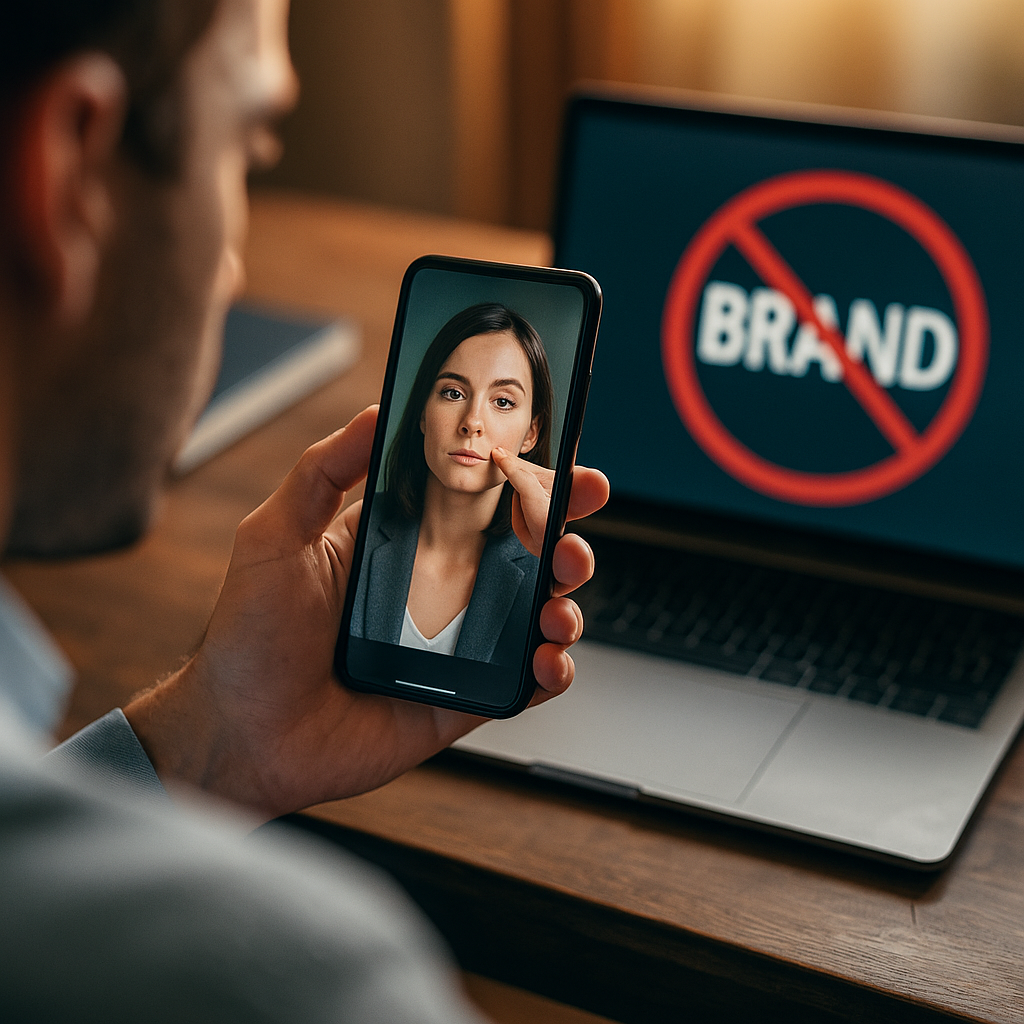
Deepfake awareness is no longer a niche concern; it’s a critical priority for brand protection in 2025. AI-generated clones threaten intellectual property, reputational integrity, and customer trust for leading companies and emerging brands alike. As deepfake technologies become widely accessible, understanding how to defend against them is essential — can your business afford to be unprepared?
Understanding Deepfakes and the Rise of AI Clones
Today’s deepfake technology creates astonishingly realistic audio, visual, and text replicas of real individuals and branded assets. With AI clones, anyone can generate convincing videos, voice recordings, and digital representations of celebrities, executives, and logos — without consent. According to Gartner’s 2025 Cyber Risk Report, over 40% of businesses report deepfake attempts against their brands or staff within the last twelve months.
These synthetic media are not just limited to high-profile personalities. Cybercriminals are increasingly cloning employees, public spokespeople, and customer service agents to scam stakeholders or deploy fraudulent marketing. The explosion of generative AI tools has put deepfake creation within reach of virtually anyone with a computer.
Understanding this landscape is the foundation for any effective IP protection strategy. Brands must stay alert to evolving deepfake threats to safeguard their intellectual property and consumer relationships.
Impact on Brand Reputation: Real-world Deepfake Risks
The reputational consequences of deepfakes can be severe and immediate. Fake CEO announcements, fraudulent press releases, and fabricated video endorsements can circulate online before brands discover the deception. In 2025, social media virality means falsehoods can shape public perception within hours.
- Misinformation Campaigns: Deepfakes can fuel misinformation, damaging trust and credibility.
- Customer Scams: AI-generated voices or avatars can trick customers into divulging sensitive info or money.
- Brand Sabotage: Competitors or disgruntled parties may deploy deepfakes to harm reputations or manipulate markets.
One recent example: in late 2024, a well-known apparel brand suffered a viral AI-cloned video that appeared to show their ambassador endorsing counterfeit products. The brand’s social media team acted quickly, but not before the clip amassed millions of views and several news pick-ups, highlighting how fast deepfake harm can unfold.
Legal Considerations: Protecting Brand Intellectual Property Against Deepfakes
Brand IP protection must now extend to the digital, AI-driven frontier. Traditional trademark and copyright laws protect logos, slogans, and creative works, but deepfakes exploit legal grey areas. In 2025, jurisdictions worldwide are introducing new regulations to address AI-generated content, requiring brands to continually update their legal strategies.
- Trademark Vigilance: Register key brand elements and monitor for unauthorized AI use.
- Deepfake Clauses: Update contracts and influencer agreements to reflect risks posed by synthetic media.
- Rapid Takedown Protocols: Coordinate with platforms for swift removal of infringing AI content.
Collaboration with specialist legal counsel is crucial. Expert guidance can help brands pursue takedowns, issue cease-and-desist notices, and, where necessary, take legal action against perpetrators deploying AI clones and deepfakes. As digital impersonation grows, brands that proactively adapt their IP protection stand the best chance of minimizing risk.
Detection Tools and Best Practices: Staying Ahead of Deepfake Attacks
Early detection is the most effective defense against deepfake threats. By 2025, advanced detection tools leverage machine learning and forensic analysis to spot even subtle digital fakes. Leading organizations are combining technology, employee training, and robust monitoring to create multi-layered safeguards.
- Invest in AI Detection Solutions: Employ software that analyzes audio and video content for signs of manipulation.
- Real-time Monitoring: Set up alerts for your brand’s key executives, products, and trademarks across social networks and forums.
- Employee Education: Train customer service, PR, and marketing teams to identify suspicious content and report swiftly.
- Incident Response Plan: Establish clear protocols for responding to and reporting suspected deepfake incidents.
Some industry leaders use blockchain to record authentic digital assets, making it harder for imposters to pass off forgeries as genuine. As detection platforms evolve, staying informed and proactive is essential to thwarting increasingly sophisticated deepfake attempts.
Proactive Brand Communication: Building Trust Through Transparency
In a world where “seeing is no longer believing,” brands must foster audience trust with transparency. Publicizing brand authenticity measures and promptly addressing potential deepfake incidents can minimize reputational damage. Today’s customers value ethical leadership and responsible digital citizenship.
- Authenticity Statements: Routinely communicate what types of official content your brand produces — and channels where it is published.
- Public Response: Address confirmed deepfake incidents on owned platforms, clarifying facts and outlining next steps.
- Stakeholder Updates: Offer guidance for customers, partners, and the press on verifying legitimate brand communications.
Forward-thinking brands are also educating their communities about deepfakes, offering resources and real-world examples to raise awareness. This customer-centric approach not only prevents confusion but also elevates your brand as a trustworthy industry leader.
Looking Ahead: Building Deepfake Resilience Into Your Brand Strategy
Deepfake technology will continue to evolve, but so can your brand’s defenses. A resilient strategy combines technology, legal foresight, and transparent communications, safeguarding assets and customer trust. The sooner brands embed deepfake awareness and protections into their operations, the better positioned they’ll be as AI-driven risks surge in complexity and scale.
By fostering collaboration between legal, communications, and IT teams, brands can ensure comprehensive safeguarding of their intellectual property. Continuous staff training, investment in next-generation tools, and regular risk assessments are no longer optional for brands serious about safeguarding their reputation in the digital age.
FAQs: Deepfake Awareness and Brand IP Protection
-
What is a deepfake, and how does it threaten brand IP?
A deepfake is AI-generated media that mimics real people or objects. For brands, deepfakes can clone executives, logos, or messages, risking fraud, reputational harm, and intellectual property infringement.
-
Are there laws against deepfakes?
By 2025, many jurisdictions have introduced or updated laws addressing AI-generated deepfakes, but enforcement and scope vary. Brands should work with legal experts to leverage the latest protections available.
-
What tools help detect deepfakes?
AI-powered forensic tools, blockchain authentication, and real-time monitoring solutions are leading methods for identifying deepfakes. Combining multiple tools and staff training yields the best protection.
-
How quickly should brands respond to suspected deepfakes?
Immediate action is critical. Brands should act within hours, issuing statements, contacting platforms, and coordinating with legal counsel to limit the spread and mitigate damage.
-
Can smaller brands afford deepfake protection?
Yes. There are scalable, cost-effective detection solutions and legal strategies available. Proactive education and monitoring can make a significant difference, even for resource-limited brands.
In summary, deepfake awareness is vital for protecting brand IP from AI clones in 2025. Savvy, proactive strategies that unite advanced detection, legal safeguards, and open communication empower brands to defend their reputation and build enduring trust. Stay alert and prioritize digital resilience to future-proof your brand.