


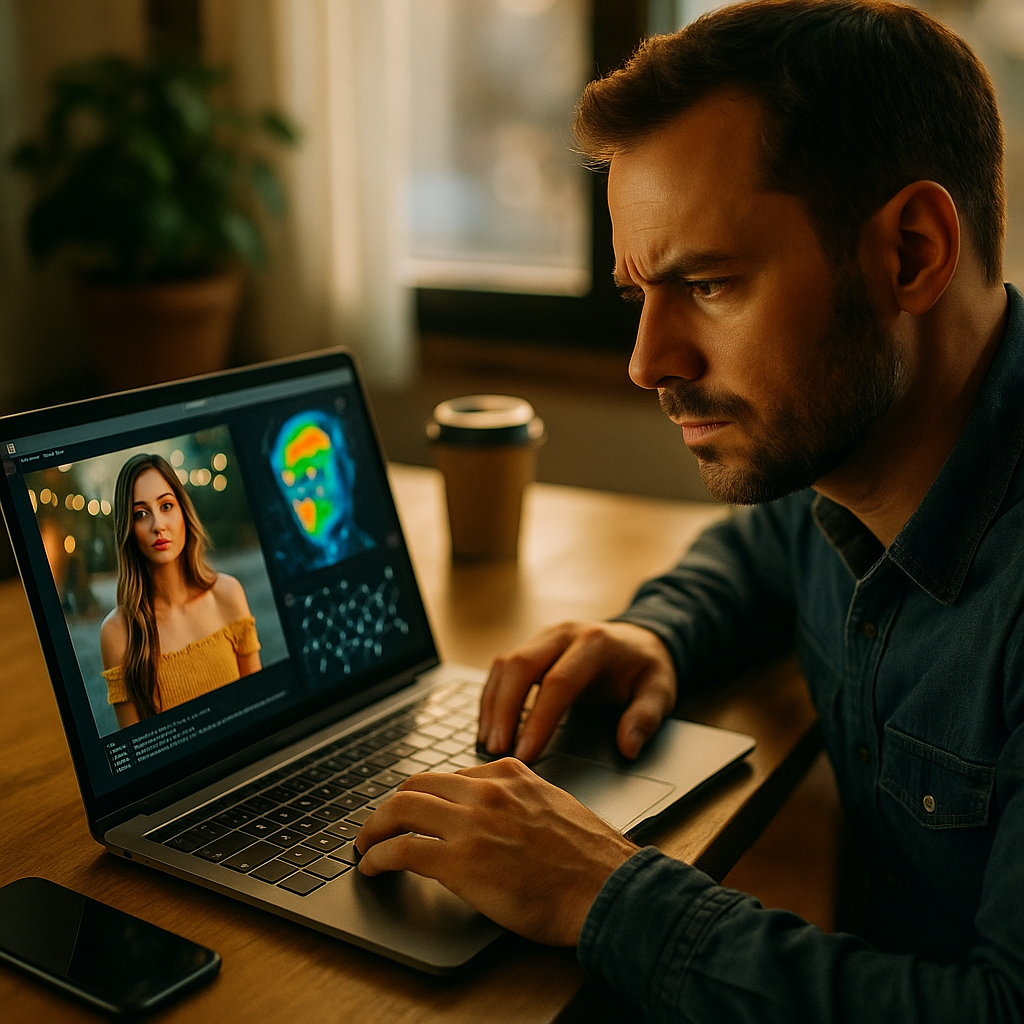
Identifying fake personalities online is more challenging than ever, making it vital to learn how to spot synthetic influencers with AI tools. With digital sophistication rising in 2025, even marketers and everyday users can be misled. Ready to separate humans from hyper-realistic bots? This guide reveals expert strategies fueled by advanced artificial intelligence.
Understanding Synthetic Influencers: The Digital Doppelgangers
Synthetic influencers, sometimes called virtual or AI-generated influencers, are digital entities that mimic human behaviors and appearances. Unlike human influencers, these avatars are programmed to create content, interact with audiences, and market products—without any human behind the persona. Their presence has escalated on social networks, with many even scoring high-profile brand partnerships.
The line between authentic and synthetic personalities has blurred. According to Influencer Marketing Hub reports, 47% of social media marketers encountered synthetic influencers in 2024. Recognizing these AI-driven personas is crucial for brands seeking authentic engagement and for consumers who value transparency online.
Why the Rise of Synthetic Influencers Warrants Caution
Synthetic influencers are not just science fiction; they can deceive audiences, influence purchasing behavior, and even manipulate opinions. In 2025, these AI creations are more polished, using Generative Adversarial Networks (GANs) and deep learning algorithms, making detection harder than ever.
While some virtual influencers like Lil Miquela openly advertise their digital roots, others are harder to spot. Brands risk facing backlash if partnerships lack transparency, and consumers can fall victim to misleading endorsements. That’s why understanding the risks makes leveraging AI detector tools essential for protecting your reputation and investments.
Key Red Flags: How AI Tools Detect Synthetic Profiles
AI-powered detection tools are at the forefront of distinguishing synthetic influencers from real ones. Here are essential signals these platforms analyze:
- Image Forensics: AI tools examine anomalies in skin textures, eye reflections, and unnatural backgrounds. Synthetic avatars often have overly perfect features or lack minor facial imperfections like pores or hairs.
- Behavioral Analysis: Algorithms monitor posting frequency, interaction patterns, and content variety. Bots tend to post at regular intervals with little deviation, and responses may lack emotional depth or context.
- Linguistic Analysis: Sentiment and style detection AI flags uniform vocabulary, unusual phrasing, and repetitive language—a hallmark of generative text models.
- Network Cross-Verification: Tools compare followers, engagement history, and visibility across platforms. Synthetic personas are less likely to have a traceable history outside a single app or region.
Top platforms like Deepware Scanner, Sensity AI, and HumanID incorporate these AI capabilities. Trusted digital marketing agencies also deploy advanced custom algorithms for a deeper analysis, especially for high-stakes influencer collaborations.
Using AI Verification Platforms: A Step-by-Step Guide
AI verification tools provide an accessible solution for brands, agencies, and individuals aiming to verify influencer authenticity. Here’s a practical workflow:
- Collect Profile Data: Gather links, images, and sample posts from the influencer you wish to verify.
- Upload to the Tool: Use platforms like Deepware Scanner, Sensity AI, or DuplicateCheck to enter public data.
- Review Generated Report: Examine the authenticity scores, image anomalies, and behavioral analysis provided by the system.
- Manually Check History: AI tools often flag suspicious timelines, so verify when the influencer account was created and scrutinize early posts for inconsistencies.
- Assess Engagement Quality: AI helps you differentiate between genuine engagement (meaningful comments, shares) and bot-generated activity (generic praise from new or suspicious accounts).
While AI streamlines this process significantly in 2025, add a human layer of judgment. Scrutinize brand mentions, story interactions, and offline appearance to reinforce AI insights.
Benefits and Limitations: What AI Tools Can and Cannot Do
AI detection tools offer unparalleled speed and accuracy in unmasking synthetic influencers. Their main benefits include:
- Scalability: Analyze thousands of profiles in seconds, saving time and resources.
- Objectivity: AI tools apply consistent criteria, removing personal bias from influencer selection.
- Continuous Learning: Modern AI tools update their detection parameters, staying ahead of ever-evolving generative tech.
Nevertheless, there are limitations. Deepfake technologies evolve quickly, sometimes outpacing current detection methods. Context matters as well: a digitally enhanced creator is not always a “synthetic influencer.” Human review remains essential—for example, public engagement at live events can confirm a persona’s authenticity.
In line with Google’s EEAT principles, responsible use of AI tools involves expertise, transparency, and diligence, ensuring only ethical influencer partnerships and content recommendations.
Action Plan for Brands: Proactive Protection With AI and Human Insight
Brands and agencies can now embed AI-powered influencer verification within their digital marketing strategies, supporting authenticity and compliance. A layered approach works best:
- Integrate robust AI screening as a part of every influencer onboarding process.
- Develop clear guidelines for transparency in collaborations with both human and synthetic influencers.
- Train marketing teams to interpret AI reports alongside traditional due diligence checks.
- Regularly audit influencer rosters with updated AI tools to ensure continued compliance amid evolving synthetic techniques.
By blending AI detection with human discernment and ethical standards, you protect your audience, reputation, and bottom line.
Conclusion: Stay Ahead with AI-Driven Influencer Verification
In 2025, knowing how to spot synthetic influencers with AI tools is both a critical skill and a strategic advantage. Leverage AI’s speed and accuracy while verifying context with expert human judgment. Staying vigilant ensures meaningful engagement, trusted partnerships, and authentic online communities.
FAQs
-
What is a synthetic influencer?
A synthetic influencer is an AI-generated persona designed to mimic human behaviors and appearances on social platforms. These digital avatars can create content, interact with audiences, and even partner with brands.
-
How do AI tools differentiate between real and fake influencers?
AI tools use image forensics, behavioral analysis, linguistic analysis, and network checks to spot inconsistencies typical of digital creation, such as overly perfect features or uniform interactions.
-
Can synthetic influencers be beneficial for brands?
Yes, when clearly disclosed, synthetic influencers can provide creative, consistent campaigns at scale. However, transparency and ethical considerations are essential to maintain authenticity.
-
Are there risks in collaborating with synthetic influencers?
Risks include potential backlash over lack of transparency, misleading endorsements, and authenticity concerns. Brands must disclose AI partnerships and vet influencers using advanced AI tools.
-
Which AI detection tools are most reliable in 2025?
Popular AI tools in 2025 include Deepware Scanner, Sensity AI, and DuplicateCheck. Trusted agencies may also use proprietary software built on established best practices.