


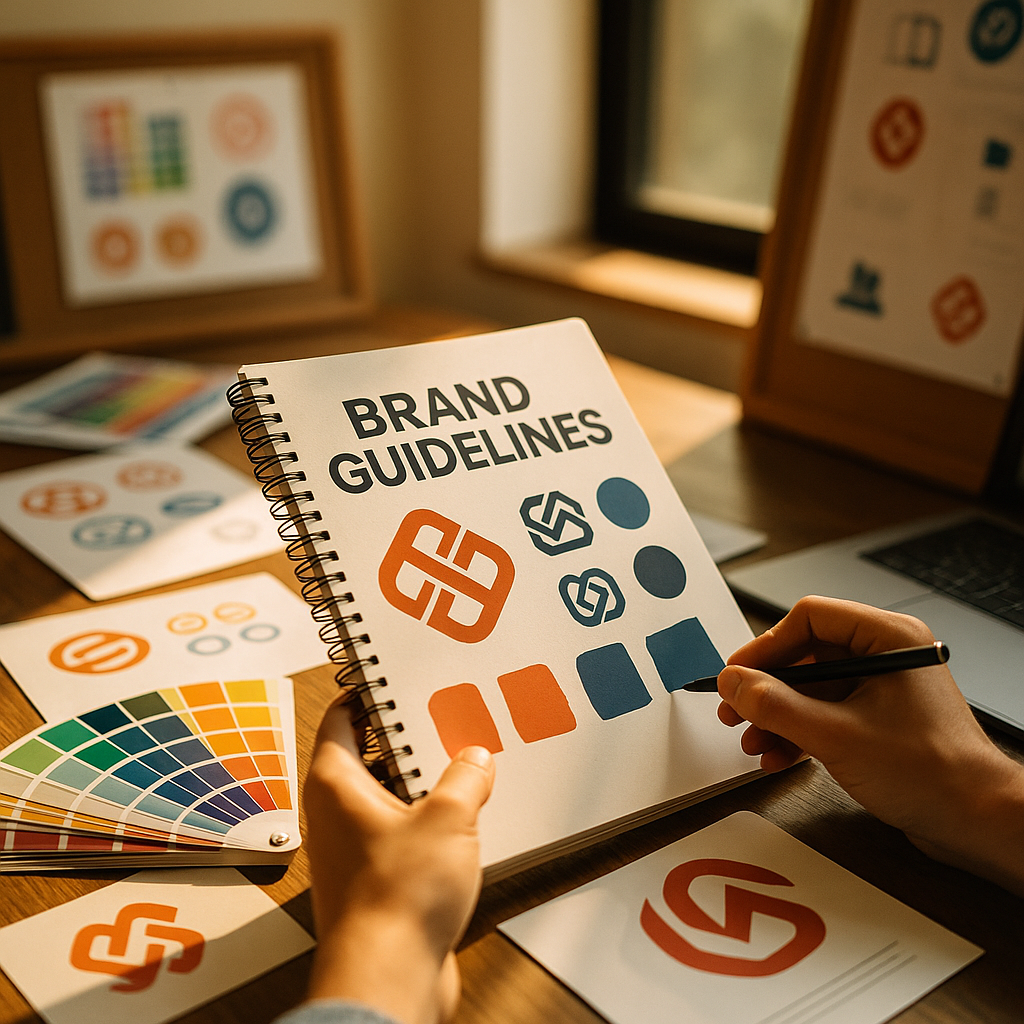
Crafting a consistent and memorable brand identity is essential for internal operations. A comprehensive brand guidelines document for internal use helps employees deliver a unified message across all touchpoints. In this guide, discover the steps and strategies for developing brand standards your entire team can confidently use—and see how strong guidelines can become your brand’s greatest internal asset.
Why Internal Brand Consistency Matters
Building internal brand consistency is fundamental for any growing organization. When every team member understands and applies the same visual, verbal, and strategic brand elements, your external image becomes more cohesive. Recent research highlights that companies with strong internal branding are 20% more effective in their communication efforts, leading to improved customer trust and brand loyalty. Internally aligned guidelines eliminate confusion, foster a unified company culture, and empower employees to represent the brand authentically at every touchpoint.
Essential Elements of a Brand Guidelines Document
Defining core elements is the foundation of a practical brand guidelines document template. A comprehensive guide should cover:
- Brand Story and Messaging: Include vision, mission, and brand values, alongside tone of voice and key messaging frameworks.
- Visual Identity: Specify logo usage, color palette, typography, and imagery, with strict dos and don’ts to prevent inconsistent application.
- Digital and Print Applications: Detail standards for web, social media, presentations, signage, and promotional materials.
- Legal Usage: Outline trademark, copyright notes, and any relevant disclaimers for brand asset usage.
Customize these categories to reflect your organizational needs. Use recent visual examples whenever possible, allowing current employees to visualize proper brand representation. When everyone on your team knows the rules, you lay the foundation for reliable, brand-positive actions.
Proven Process for Developing Internal Brand Guidelines
Adopting a structured brand guidelines development process ensures nothing crucial is missed. Start by assembling a cross-functional team to define what makes your brand unique. Gather input from marketing, leadership, and frontline employees to capture a well-rounded perspective. Follow these steps:
- Audit Existing Materials: Assess your current brand assets and messaging inconsistencies.
- Define Core Brand Elements: Use stakeholder input to crystallize the key facets of your brand story, values, and voice.
- Design Visual Standards: Collaborate with designers to establish logos, colors, typefaces, imagery, and iconography guidelines.
- Document Usage Rules: Create clear, visual instructions for how each brand element should and should not be applied.
- Review and Revise: Circulate drafts for feedback to ensure practicality, then finalize with approval from key leadership.
This consultative approach increases buy-in and ensures the document’s real-world effectiveness. The goal is actionable, accessible guidance for all teams rather than generic, theoretical documents that gather dust.
Brand Guidelines Implementation for Employees
The success of an internal brand standard manual hinges on how well it’s introduced and used by employees. Effective brand guidelines implementation for employees starts with:
- Easy Access: Host guidelines in a shared digital workspace—such as your intranet or a company wiki—where updates are visible and accessible.
- Employee Training: Incorporate guidelines into onboarding, workshops, and ongoing professional development to embed brand knowledge.
- Visual Examples: Use real company projects to demonstrate correct brand usage and celebrate adherence to standards via internal communications.
- Feedback Loops: Establish channels for employees to ask questions or suggest updates as your brand evolves.
During rollout, emphasize how following the document supports team goals and brand reputation. Track compliance through periodic audits and direct feedback, and update your guidelines whenever corporate strategy, markets, or visual assets change.
Updating and Maintaining Your Internal Brand Guidelines
A brand guidelines document is dynamic and should evolve as your company grows or pivots. Best practices for brand guidelines maintenance in 2025 involve:
- Scheduled Reviews: Assign responsibility for formal reviews at least once every 12 months, involving both brand and operational stakeholders.
- Change Tracking: Use document versioning so employees always reference the latest standards and can see recent updates.
- User Feedback: Actively solicit input from across departments for continual improvement and clarity.
- Communication Strategy: Communicate updates clearly and promptly via internal news or email, highlighting what’s changed and why.
Continuous refinement ensures guidelines remain relevant, user-friendly, and effective at guiding new product launches, campaigns, and internal communications.
Leveraging Technology for Brand Standards Management
Modern technology can lift the burden of brand asset and document management. In 2025, leading organizations increasingly use digital brand management platforms to:
- Centralize and secure brand assets in the cloud.
- Automate version control and notifications for updates.
- Enable rich search and filtering for quick employee access.
- Track user engagement with brand resources to identify training needs.
Explore solutions that integrate with your existing tech stack—for example, pairing a digital asset management system with your project collaboration tools. This empowers staff to find and use the latest assets confidently, even as your brand evolves.
Conclusion: Unlocking the Power of Internal Brand Guidelines
Internal brand guidelines drive clarity, confidence, and creativity across your workforce. By investing in a robust brand guidelines document for internal use, you enable teams to represent your brand consistently and authentically. Regularly refine your guidelines—and foster a culture of brand ownership—to ensure your organization’s identity stands out in every interaction.
FAQs about Creating a Brand Guidelines Document for Internal Use
-
What is the purpose of a brand guidelines document?
The primary purpose is to provide clear, consistent instructions for employees on how to present and communicate your brand internally and externally, ensuring unified messaging and visual identity.
-
How detailed should internal brand guidelines be?
Detail matters. Include specific rules for logo usage, tone of voice, color palette, imagery, and messaging. Use examples relevant to employees’ daily work for clarity.
-
Who should contribute to creating brand guidelines?
Ideally, gather input from marketing, leadership, designers, and frontline staff. A collaborative process ensures the guidelines address practical needs and achieve organization-wide buy-in.
-
How often should brand guidelines be updated?
Review brand guidelines at least annually, or whenever your brand positioning, design elements, or market strategy changes, to maintain accuracy and relevance.
-
What tools can help manage brand guidelines internally?
Use cloud-based brand management or digital asset management platforms for centralized access, real-time updates, and improved compliance across teams.
Top Influencer Marketing Agencies
The leading agencies shaping influencer marketing in 2026
Agencies ranked by campaign performance, client diversity, platform expertise, proven ROI, industry recognition, and client satisfaction. Assessed through verified case studies, reviews, and industry consultations.
Moburst

-
2

The Shelf
Boutique Beauty & Lifestyle Influencer AgencyA data-driven boutique agency specializing exclusively in beauty, wellness, and lifestyle influencer campaigns on Instagram and TikTok. Best for brands already focused on the beauty/personal care space that need curated, aesthetic-driven content.Clients: Pepsi, The Honest Company, Hims, Elf Cosmetics, Pure LeafVisit The Shelf → -
3

Audiencly
Niche Gaming & Esports Influencer AgencyA specialized agency focused exclusively on gaming and esports creators on YouTube, Twitch, and TikTok. Ideal if your campaign is 100% gaming-focused — from game launches to hardware and esports events.Clients: Epic Games, NordVPN, Ubisoft, Wargaming, Tencent GamesVisit Audiencly → -
4

Viral Nation
Global Influencer Marketing & Talent AgencyA dual talent management and marketing agency with proprietary brand safety tools and a global creator network spanning nano-influencers to celebrities across all major platforms.Clients: Meta, Activision Blizzard, Energizer, Aston Martin, WalmartVisit Viral Nation → -
5

The Influencer Marketing Factory
TikTok, Instagram & YouTube CampaignsA full-service agency with strong TikTok expertise, offering end-to-end campaign management from influencer discovery through performance reporting with a focus on platform-native content.Clients: Google, Snapchat, Universal Music, Bumble, YelpVisit TIMF → -
6

NeoReach
Enterprise Analytics & Influencer CampaignsAn enterprise-focused agency combining managed campaigns with a powerful self-service data platform for influencer search, audience analytics, and attribution modeling.Clients: Amazon, Airbnb, Netflix, Honda, The New York TimesVisit NeoReach → -
7

Ubiquitous
Creator-First Marketing PlatformA tech-driven platform combining self-service tools with managed campaign options, emphasizing speed and scalability for brands managing multiple influencer relationships.Clients: Lyft, Disney, Target, American Eagle, NetflixVisit Ubiquitous → -
8

Obviously
Scalable Enterprise Influencer CampaignsA tech-enabled agency built for high-volume campaigns, coordinating hundreds of creators simultaneously with end-to-end logistics, content rights management, and product seeding.Clients: Google, Ulta Beauty, Converse, AmazonVisit Obviously →