


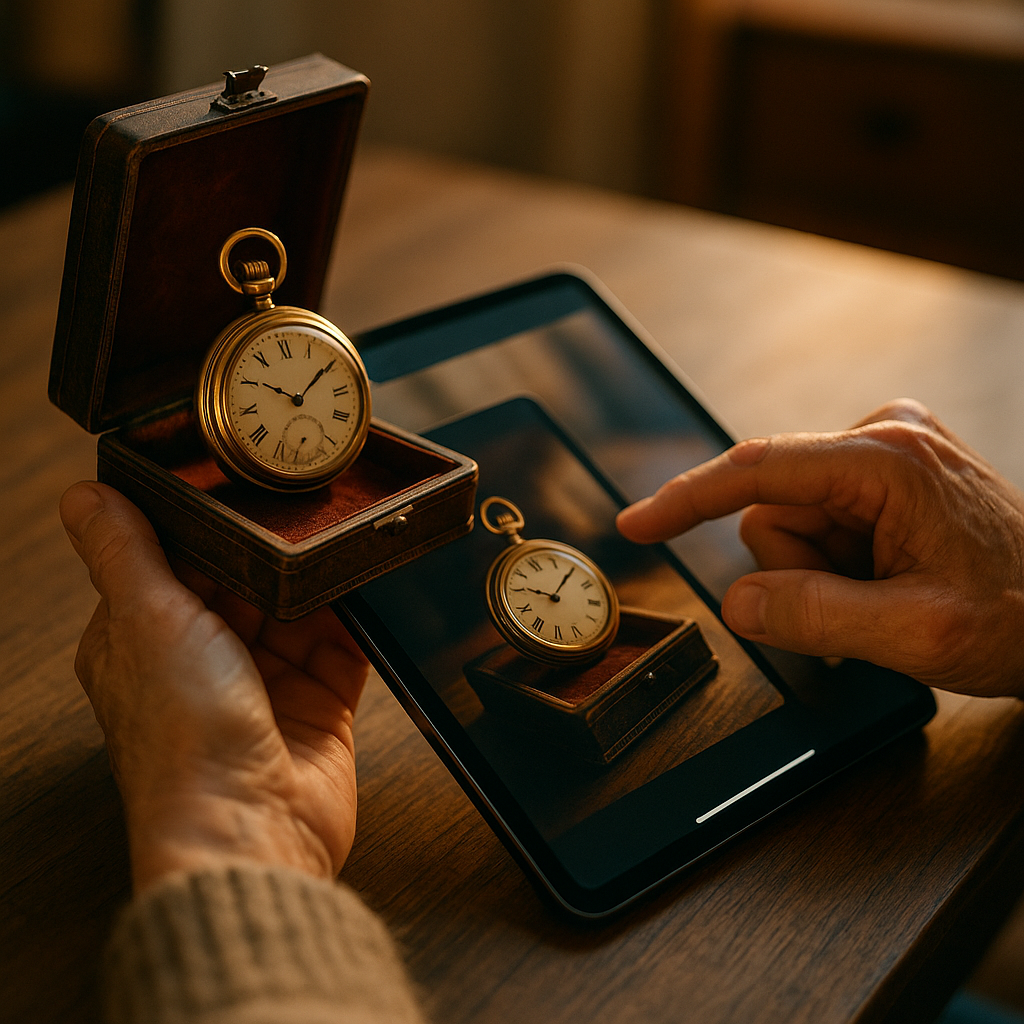
In 2026, brands face a new test: can what they make, say, and store still matter decades from now? Digital heirloom marketing answers that challenge by creating products, content, and customer records designed to retain value for fifty years. This shift blends durability, trust, memory, and technology into a strategy built for legacy. What does that look like in practice?
Why digital longevity matters in brand strategy
Most digital marketing was built for short cycles: quarterly campaigns, seasonal launches, fast content turnover, and platforms that reward novelty. That model still has a place, but it breaks down when brands want lasting trust. Families, collectors, luxury buyers, mission-driven consumers, and even enterprise customers now ask a deeper question: will this product, service, or digital record still be useful and meaningful decades from now?
That is where long-horizon thinking changes the conversation. A product built for fifty years needs more than strong materials. It also needs a durable digital layer: proof of origin, repair history, ownership transfers, service instructions, warranties, personalization records, and a story that survives device changes and platform decline. Marketing becomes less about noise and more about stewardship.
From an EEAT perspective, this trend is logical. Experience matters because buyers trust brands that show real-world product knowledge. Expertise matters because durable products require technical accuracy, maintenance education, and clear documentation. Authoritativeness matters when a brand becomes the reliable source for ownership records and product history. Trust matters most of all, because a fifty-year promise only works if customers believe the company will stand behind it.
Digital longevity also reduces friction across the customer lifecycle. Instead of forcing buyers to save paper manuals or search old emails, brands can maintain structured digital archives attached to each product. That archive can support resale, repairs, insurance, authentication, and family transfer. In other words, the digital experience becomes part of the product’s value, not just its promotion.
Digital heirloom products and the new consumer expectation
The phrase digital heirloom products may sound niche, but the underlying demand is broad. Consumers increasingly value items that can be kept, maintained, upgraded, and passed on. This includes furniture, watches, jewelry, fashion, musical instruments, bicycles, home goods, baby items, premium tools, outdoor gear, and even certain consumer electronics with modular or serviceable designs.
What makes these products “digital heirlooms” is not simply their lifespan. It is the persistent digital identity that travels with them. A well-designed digital heirloom product often includes:
- Verified origin data to confirm authenticity and production details
- Ownership history to support resale, gifting, or inheritance
- Repair and maintenance logs that preserve condition and performance
- Care instructions updated over time as materials and methods evolve
- Warranty and service access that remain easy to retrieve years later
- Personal stories or milestones that give the object emotional depth
For brands, this creates a new category of product design. The item must be durable, but the information architecture must be durable too. File formats, login systems, support portals, and identity frameworks all need to be considered. A beautiful leather bag with no long-term authentication system is less future-proof than one with transferable digital provenance and repair access.
This expectation also affects positioning. Buyers no longer see premium pricing as justified by appearance alone. They expect continued support, transparent sourcing, and a believable plan for long-term care. If a company claims its product can last fifty years, customers will reasonably ask: how will you help me maintain it in year ten, year twenty, or after I give it to someone else?
Strong brands answer those questions before the purchase. That is a major reason digital heirloom marketing is rising now. It aligns messaging with actual product stewardship.
How sustainable product branding supports fifty-year thinking
Sustainable product branding becomes stronger when durability is measurable, documented, and customer-facing. Sustainability claims often fail because they are too vague. “Eco-friendly” and “responsibly made” no longer carry enough weight by themselves. A fifty-year product offers a more concrete environmental argument: fewer replacements, longer utility, repairable parts, and a lower lifetime resource burden.
But brands should be careful. Longevity claims create scrutiny. To stay credible, marketing teams need evidence. Helpful content in this space should include plain-language explanations of materials, testing standards, repair programs, and expected wear patterns. It should also clearly state what can and cannot be maintained over time.
That means sustainable product branding should avoid overpromising. A better approach is to document:
- Expected lifespan under normal use
- Recommended maintenance schedule
- Availability of parts or service pathways
- Repairability score or serviceability features
- What digital records will be retained and transferable
This is also where content strategy matters. Instead of creating only launch materials, brands can build living libraries: repair guides, care videos, ownership FAQs, archival product pages, and transparent support policies. These resources support both search visibility and customer trust. They answer the practical questions that arise years after the initial sale.
Importantly, sustainable branding here is not just about environmental positioning. It is about emotional sustainability too. Products that survive across generations often carry personal meaning. A brand that helps preserve that meaning through careful documentation, service continuity, and transfer support becomes more than a seller. It becomes a custodian of memory and value.
Customer retention through legacy marketing, not constant acquisition
Customer retention through legacy marketing is one of the clearest business advantages of this trend. If a brand supports a product for fifty years, the relationship with the buyer does not end after checkout. It evolves through care reminders, repair requests, upgrades, milestone storytelling, resale authentication, and eventual transfer to a new owner.
This creates a different retention model. Instead of relying only on repeat purchases, brands generate lifetime engagement around ownership. That can include:
- Digital product passports that remain accessible over decades
- Service memberships for inspections, tune-ups, cleaning, or restoration
- Milestone communications marking anniversaries or significant repairs
- Trade-in and certified resale ecosystems
- Transfer tools for gifting, inheritance, or collector resale
Legacy marketing works because it respects the full lifespan of ownership. It treats a product as a long-term relationship object, not a one-time transaction. That shift can improve retention, referrals, resale value, and brand prestige at the same time.
It also creates better first-party data. When customers willingly maintain digital records for products they value, brands gain more accurate insight into usage, repair cycles, and service needs. Those insights can improve future product design and customer support without relying on shallow engagement metrics.
However, this model only works if privacy and access are handled responsibly. Customers need clear consent choices, easy record retrieval, secure transfer options, and transparent retention policies. A digital archive that feels invasive or confusing will undermine trust. A digital archive that feels useful, respectful, and portable becomes a competitive advantage.
Future-proof ecommerce for products designed to outlast platforms
Future-proof ecommerce is no longer just about fast checkout and omnichannel consistency. For fifty-year products, ecommerce has to support long-term ownership infrastructure. That means the product page is only the beginning. Brands should think in terms of a durable ownership environment.
A future-proof ecommerce system for digital heirloom products should include several foundations:
- Stable product records that remain accessible after catalog updates
- Persistent customer accounts with exportable ownership data
- Authentication tools for original buyers and future owners
- Service and repair workflows linked to each item’s history
- Transfer functionality that allows ownership changes without losing provenance
- Interoperable data structures that reduce dependence on a single platform
Why does this matter? Because no brand can assume today’s systems will remain unchanged for decades. Ecommerce stacks, CRM tools, identity providers, file standards, and content platforms all evolve. If a company wants to make a credible fifty-year promise, it must design records that can migrate. Portability matters as much as storage.
Brands should also prepare for customer support across multiple life stages of a product. A buyer may need setup help in the first week, restoration guidance in year twelve, replacement parts in year twenty-five, and transfer documentation much later. Those needs should not require digging through obsolete pages or broken emails. Helpful content should remain searchable, updated, and easy to understand.
From a search standpoint, this creates a content moat. Evergreen pages about care, repair, authentication, and resale often attract highly qualified traffic because they match real ownership intent. They also signal expertise better than trend-chasing content does. If done well, future-proof ecommerce becomes both an operational asset and an SEO asset.
Building trust with brand heritage storytelling and proof
Brand heritage storytelling plays a major role in digital heirloom marketing, but the strongest stories are supported by evidence. Modern audiences respond to craftsmanship, family tradition, and design philosophy when those claims are specific and verifiable. Empty nostalgia will not carry a fifty-year promise.
Effective heritage storytelling connects four elements:
- Origin: where the product comes from, how it is made, and why those methods matter
- Continuity: how the brand will support the item over time through repair, service, or documentation
- Human meaning: the role the product can play in memory, family rituals, and personal milestones
- Proof: materials data, service commitments, customer examples, and accessible policies
To align with EEAT best practices, brands should publish content that demonstrates real experience. That may include repair case studies, interviews with craftspeople or engineers, clear explanations from service teams, and examples of restored or transferred products. These signals show that the company understands the long-term reality of ownership, not just the aesthetics of it.
Trust also grows when brands openly discuss limitations. If a material develops patina, say so. If some components may need replacement over time, explain that process. If digital access depends on account security, provide practical guidance. Transparent specifics make the promise more believable.
In the end, digital heirloom marketing succeeds when the story and the system match. A product meant to last fifty years should be supported by durable records, honest education, and a service model that treats future owners as part of the brand ecosystem. That combination turns longevity from a slogan into a business model.
FAQs about digital heirloom marketing
What is digital heirloom marketing?
Digital heirloom marketing is the strategy of promoting and supporting products meant to hold value over decades through durable digital records, storytelling, service access, and transferable ownership information. It combines long-term branding with practical infrastructure like authentication, repair history, and care documentation.
What kinds of products fit a fifty-year model?
Products with durable construction, repair potential, emotional significance, and resale or transfer value fit best. Examples include premium furniture, watches, jewelry, tools, leather goods, musical instruments, outdoor equipment, and select modular electronics or appliances.
Why are digital records important for heirloom products?
Digital records preserve proof of authenticity, care instructions, repairs, warranty details, and ownership history. These records support maintenance, improve resale trust, simplify inheritance or gifting, and increase the long-term usefulness of the product.
How does digital heirloom marketing help SEO?
It creates evergreen, high-intent content around care, repair, service, provenance, and product history. These topics answer real customer questions over time, attract qualified organic traffic, and demonstrate expertise and trustworthiness to both users and search engines.
Is this approach only for luxury brands?
No. Luxury brands may adopt it quickly, but any company with durable, serviceable products can benefit. Mid-market and mission-driven brands can use digital heirloom principles to differentiate through reliability, transparency, and long-term support.
What is the biggest risk in promising a fifty-year product?
The biggest risk is making a claim the company cannot operationally support. Brands need realistic service plans, portable digital systems, transparent policies, and honest content. Without that foundation, longevity messaging can damage trust instead of building it.
How can a brand start implementing this strategy?
Start by identifying products with genuine long-life potential. Then build digital product records, publish maintenance content, define repair and transfer workflows, improve data portability, and align marketing claims with what support teams can actually deliver over time.
Digital heirloom marketing reflects a broader shift from disposable attention to durable value. Brands that design products and digital systems for fifty years can earn deeper trust, stronger retention, and more meaningful differentiation. The takeaway is simple: longevity is not just a product feature. In 2026, it is a marketing, service, and credibility strategy that customers increasingly expect.