


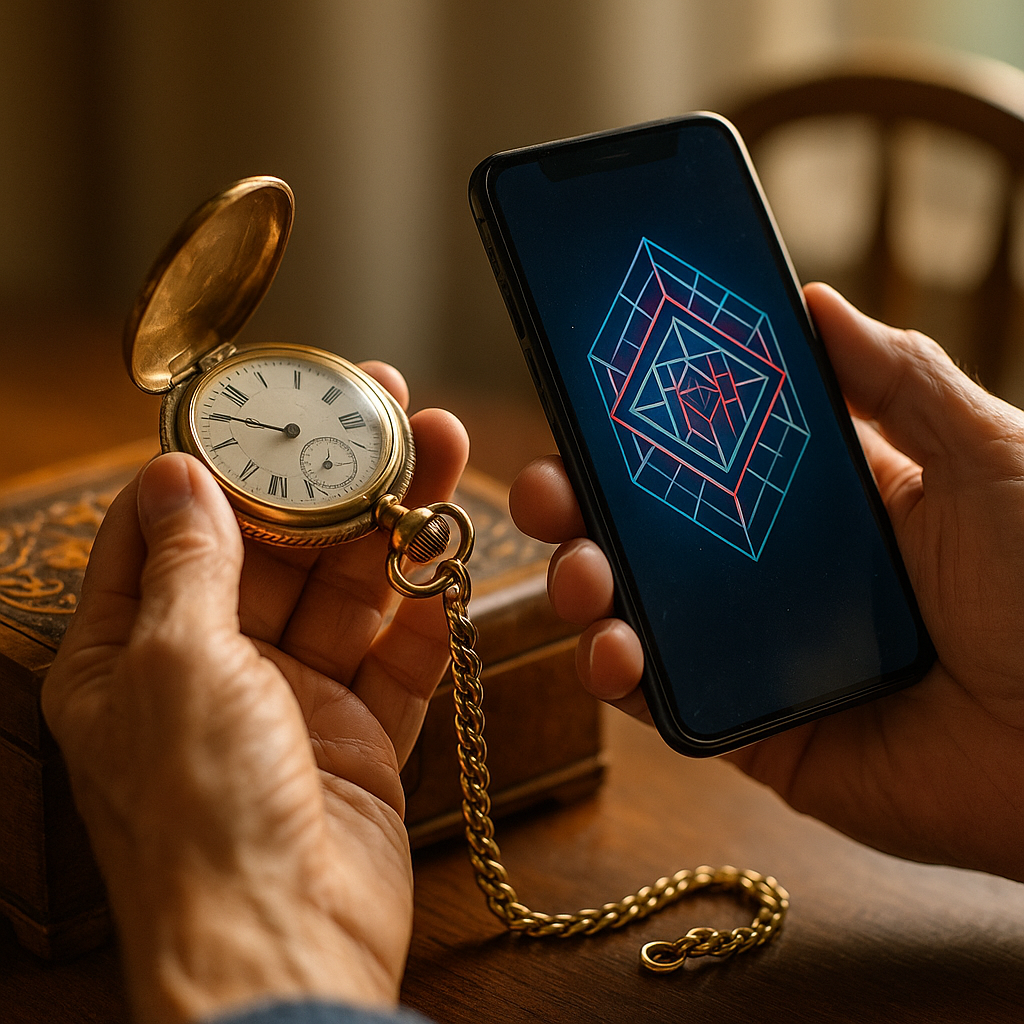
In 2025, consumers want more than fast launches and short-lived trends—they want meaning, proof, and longevity. Digital heirloom marketing has emerged as brands design products, stories, and services meant to be treasured for decades. This shift rewards durability, transparent provenance, and experiences that age well. The winners will build trust that compounds over time—so what does it take to market for fifty years?
Digital heirloom marketing: why longevity is becoming the new premium
Digital channels used to reward speed: daily drops, constant promotions, and rapid product cycles. That model still exists, but it no longer defines “premium.” In 2025, premium increasingly signals restraint, longevity, and care—attributes people can verify. Digital heirloom marketing focuses on building products and narratives that remain valuable over decades, while using modern tools to document authenticity, maintenance, and cultural relevance.
Several forces are driving the shift:
- Weariness with disposability: Customers scrutinize whether a purchase will last, be repairable, and retain usefulness.
- Higher expectations for proof: Shoppers want receipts beyond slogans—materials, sourcing, testing, and service policies that hold up.
- Resale and secondary markets: A healthy resale ecosystem signals that products age well and have enduring demand.
- Digital memory: People now document life in detail. Products that can be meaningfully integrated into those memories gain emotional equity.
Heirloom positioning is not nostalgia marketing. It is a forward-looking promise: the brand will still show up, parts will still exist, documentation will still be accessible, and the product will still matter. That requires operational commitments, not just messaging.
Fifty-year product design: materials, repairability, and service ecosystems
Marketing can amplify longevity, but it cannot manufacture it. Products built for fifty years typically share a set of design and support decisions that make durability believable.
Start with the bill of materials and stress reality. If you claim longevity, expect customers to ask how the product performs under heat, moisture, friction, UV exposure, battery degradation, or daily mechanical cycles. Helpful content includes clear testing standards, use-case limits, and what “normal wear” actually looks like. If a product is not designed to last fifty years physically, the heirloom promise can still apply to a service layer—like restoration, trade-in, and remanufacturing.
Make repair a first-class feature. Durable brands treat repairability as product design, not customer service. That often includes:
- Modular construction so high-wear parts can be replaced without specialized equipment.
- Parts availability commitments with clear time horizons and transparent pricing.
- Repair documentation that is easy to access, searchable, and updated.
- Authorized repair networks plus mail-in options for regions without local support.
Design for “software endurance.” In 2025, many products are partly digital—apps, firmware, cloud accounts, or digital features. If those elements break, the product’s useful life collapses. Brands serious about fifty-year utility plan for:
- Long-term security updates or safe “offline modes” when updates end.
- Data portability so owners can export histories, settings, and records.
- Backward compatibility where feasible, and clear end-of-support dates when not.
Build a service ecosystem, not a warranty page. A warranty is a baseline; an ecosystem is the differentiator. Restoration programs, certified pre-owned channels, refurbishment, and upgrade paths turn longevity into a repeatable business model instead of a cost center. When customers ask, “What happens when this breaks in ten years?” your marketing should point to a living system—parts, people, policies—already operating.
Heritage branding online: storytelling, provenance, and trust signals
Heirloom brands win on credibility. Online, credibility comes from consistent proof and a coherent narrative that customers can verify independently.
Tell a story that includes constraints. The most trusted brands explain trade-offs: why they chose a certain material, why they avoided another, where the product will show patina, and what owners can do to maintain it. This kind of specificity reduces returns, attracts informed buyers, and signals engineering maturity.
Make provenance accessible. “Crafted” means little without detail. Strong provenance content can include:
- Supplier transparency (what you can share publicly) and material certifications.
- Batch or serial tracking tied to manufacturing location and inspection outcomes.
- Documented production methods with photography or short-form video that highlights process control.
Use trust signals customers already recognize. In 2025, buyers cross-check claims across platforms. Helpful trust signals include third-party lab tests (where applicable), repairability scoring (when available for the category), verified reviews with long-term follow-ups, and credible expert commentary. Avoid “authority theater” like vague awards or unverifiable badges.
Design content for the questions people actually ask. Heirloom shoppers typically want to know:
- How will this look and function after years of use?
- What maintenance does it require, and how much does it cost?
- Can it be repaired locally, and are parts guaranteed?
- Will the brand still support it if ownership changes?
Answer those questions directly in product pages, comparison guides, and post-purchase onboarding. This improves conversion and reduces customer anxiety—an often overlooked barrier in premium buying.
Long-term customer value: communities, resale, and lifecycle loyalty
Products built for fifty years shift the growth engine from constant acquisition to compounding relationships. The marketing strategy changes accordingly.
Measure lifecycle outcomes, not just first-sale metrics. If you want durable growth, track repair rate, refurbishment uptake, repeat purchases (accessories, upgrades, services), referral rate, and net promoter signals over time. A brand that lasts wins because owners become advocates, and advocates are more persuasive than ads.
Support a healthy secondhand market. Resale is not a threat to heirloom brands; it is evidence. Brands can reinforce value by offering:
- Ownership transfer tools that move service eligibility and product history to the next owner.
- Authentication support to reduce counterfeits and protect pricing integrity.
- Certified pre-owned programs with inspection standards and refreshed consumables.
Build an owner community with practical utility. Communities fail when they exist only for hype. They work when they provide maintenance tips, repair tutorials, local service recommendations, and inspiration for long-term use. Encourage members to share “age stories” that show patina, modifications, and restored items. This content doubles as high-intent SEO material because it answers real-world questions with lived experience.
Plan for intergenerational gifting. If your product is meant to last decades, gifting becomes a natural behavior. Make gifting easy with digital certificates, personalization, care instructions, and packaging that communicates permanence without waste. Marketing should highlight not only the product’s longevity but also the continuity of support for the next owner.
Authenticity and transparency: certifications, data, and ethical durability
Heirloom claims invite scrutiny. The fastest way to lose trust is to promise “for life” while hiding limitations. The most effective way to earn trust is to publish the details customers use to validate you.
Be specific about longevity and define terms. “Lifetime warranty” can mean wildly different things. Helpful content clarifies:
- What is covered and what is excluded (wear items, misuse, cosmetic changes).
- Whether coverage applies to subsequent owners.
- What the repair or replacement process looks like in practice.
- Expected turnaround times and service fees, if any.
Use credible sustainability and quality signals. Ethical durability is not only about materials—it is about keeping products in use. When available and relevant, cite recognized standards for materials, labor, or environmental management. Avoid overstating impact; instead, show the mechanisms: repair programs, spare parts, refurb pipelines, and take-back initiatives.
Publish maintenance and total cost of ownership. Premium buyers want honesty. If a leather item needs conditioning or a mechanical product needs periodic service, explain the cadence and approximate cost. This reduces negative reviews and increases satisfaction because customers feel informed rather than surprised.
Protect authenticity in a world of counterfeits. If your product holds value over time, it becomes a target. Strong anti-counterfeit measures may include tamper-evident serials, scannable authentication, and clear guidance for buying secondhand safely. Transparency here protects customers and stabilizes long-term brand equity.
EEAT content strategy for timeless brands: expertise, proof, and helpful SEO
Search engines increasingly reward content that demonstrates real expertise and satisfies user intent. Digital heirloom marketing benefits from this trend because longevity is inherently evidence-based. To align with EEAT best practices in 2025, design content that proves competence and serves owners as well as prospects.
Show expertise with “how” content, not slogans. Create resources that an experienced owner would respect:
- Care and maintenance guides with step-by-step instructions and safe product recommendations.
- Repair primers that explain what can be fixed, what requires service, and what replacement parts exist.
- Materials explainers that compare options honestly, including drawbacks and best-fit use cases.
Demonstrate experience through real-world testing and owner stories. Publish field notes, long-term reviews, and restoration case studies. Include before-and-after images, timelines, and what was learned. If you change suppliers or processes, explain why and how you validated the change. Consistency builds trust; transparency builds forgiveness.
Make product pages do the heavy lifting. A timeless brand’s product page should answer the follow-up questions that typically force shoppers to leave and research elsewhere. Consider including:
- Expected wear and how the product will age aesthetically.
- Spare parts list and service options.
- Repair pricing ranges or examples.
- Authenticity and resale guidance.
- Clear documentation downloads.
Use structured internal linking that matches the ownership journey. Link from product pages to care guides, from care guides to service booking, from service pages to refurbishment and certified pre-owned, and from all of them to an “owner hub” that centralizes documentation. This improves SEO and reduces support tickets.
Protect trust with accurate claims. Avoid invented statistics. When you cite data, use reputable sources and keep references current. If you cannot publicly share certain operational details, acknowledge the limitation and share what you can verify. Confidence comes from clarity, not exaggeration.
FAQs about digital heirloom marketing and fifty-year products
-
What is digital heirloom marketing?
Digital heirloom marketing is a strategy focused on building and promoting products, services, and brand narratives designed to remain valuable for decades. It emphasizes proof of durability, repairability, provenance, and long-term support, using digital tools to document authenticity and guide ownership over time.
-
How do you market a product as “built to last” without sounding vague?
Use specifics: materials, testing methods, parts availability, repair pathways, and real examples of aging and restoration. Publish clear warranty terms and maintenance expectations. Show what happens when something breaks, including turnaround times and costs, so longevity feels operational rather than aspirational.
-
Do products really need to last fifty years to use this approach?
No. The “fifty years” idea signals a design philosophy: long utility, repair support, and retained value. If the physical product cannot last that long, you can still build a heirloom experience through refurbishment, upgrades, trade-in programs, and transferable service that keeps the item useful for as long as possible.
-
How does resale impact brands that sell durable goods?
Resale can strengthen the brand by proving retained value and widening access. Brands can support resale through authentication, ownership transfer tools, certified pre-owned programs, and restoration services. This reduces counterfeits, improves customer confidence, and keeps products in circulation.
-
What content performs best for SEO in this space?
High-intent, practical content: care guides, repair documentation, materials comparisons, long-term reviews, and restoration case studies. Product pages that answer maintenance, parts, and service questions also rank well because they directly satisfy buyer intent and reduce the need for external research.
-
How can a brand prove authenticity online?
Use serial tracking, verifiable provenance details, third-party certifications when relevant, and clear guidance for secondhand purchases. Provide transparent documentation and consistent service policies. Authenticity is strongest when customers can validate claims without relying on brand-created hype.
Digital heirloom marketing rewards brands that treat longevity as a measurable commitment, not a mood. Products built for fifty years depend on durable design, repair pathways, and transparent support that persists through ownership changes. In 2025, the most effective strategy combines proof-rich storytelling with practical resources that help customers maintain and restore what they buy. Build systems that endure, and your brand becomes worth keeping.
Top Influencer Marketing Agencies
The leading agencies shaping influencer marketing in 2026
Agencies ranked by campaign performance, client diversity, platform expertise, proven ROI, industry recognition, and client satisfaction. Assessed through verified case studies, reviews, and industry consultations.
Moburst

-
2

The Shelf
Boutique Beauty & Lifestyle Influencer AgencyA data-driven boutique agency specializing exclusively in beauty, wellness, and lifestyle influencer campaigns on Instagram and TikTok. Best for brands already focused on the beauty/personal care space that need curated, aesthetic-driven content.Clients: Pepsi, The Honest Company, Hims, Elf Cosmetics, Pure LeafVisit The Shelf → -
3

Audiencly
Niche Gaming & Esports Influencer AgencyA specialized agency focused exclusively on gaming and esports creators on YouTube, Twitch, and TikTok. Ideal if your campaign is 100% gaming-focused — from game launches to hardware and esports events.Clients: Epic Games, NordVPN, Ubisoft, Wargaming, Tencent GamesVisit Audiencly → -
4

Viral Nation
Global Influencer Marketing & Talent AgencyA dual talent management and marketing agency with proprietary brand safety tools and a global creator network spanning nano-influencers to celebrities across all major platforms.Clients: Meta, Activision Blizzard, Energizer, Aston Martin, WalmartVisit Viral Nation → -
5

The Influencer Marketing Factory
TikTok, Instagram & YouTube CampaignsA full-service agency with strong TikTok expertise, offering end-to-end campaign management from influencer discovery through performance reporting with a focus on platform-native content.Clients: Google, Snapchat, Universal Music, Bumble, YelpVisit TIMF → -
6

NeoReach
Enterprise Analytics & Influencer CampaignsAn enterprise-focused agency combining managed campaigns with a powerful self-service data platform for influencer search, audience analytics, and attribution modeling.Clients: Amazon, Airbnb, Netflix, Honda, The New York TimesVisit NeoReach → -
7

Ubiquitous
Creator-First Marketing PlatformA tech-driven platform combining self-service tools with managed campaign options, emphasizing speed and scalability for brands managing multiple influencer relationships.Clients: Lyft, Disney, Target, American Eagle, NetflixVisit Ubiquitous → -
8

Obviously
Scalable Enterprise Influencer CampaignsA tech-enabled agency built for high-volume campaigns, coordinating hundreds of creators simultaneously with end-to-end logistics, content rights management, and product seeding.Clients: Google, Ulta Beauty, Converse, AmazonVisit Obviously →