


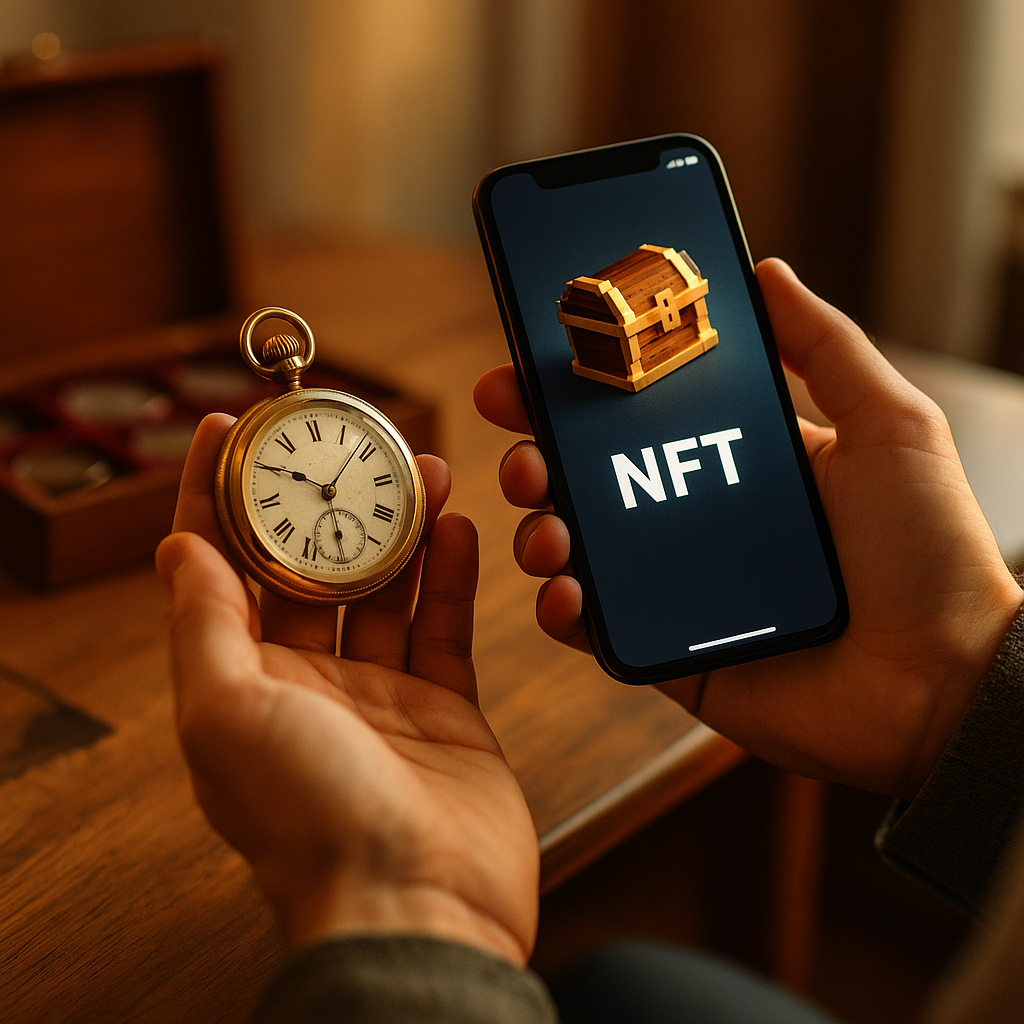
In 2026, digital heirloom marketing is moving from niche idea to strategic priority. Brands no longer win only by chasing clicks or trends. They win by creating products, stories, and customer relationships that keep value for decades. As durability, trust, and legacy regain importance, marketers must rethink what they build, preserve, and pass on. What does that shift demand?
Why durable brand strategy is reshaping modern marketing
Digital markets spent years rewarding speed above all else. Launch fast, optimize weekly, follow the algorithm, and move on. That approach still matters, but it is no longer enough. Customers are increasingly skeptical of disposable products, shallow branding, and experiences that vanish when a platform changes policy or popularity. A more durable brand strategy now carries real commercial value.
Digital heirloom marketing responds to that shift. At its core, it is the practice of designing products, content, and customer experiences to remain useful, meaningful, and transferable over very long periods. That can mean physical goods with digital records, software built for continuity, archives that preserve customer milestones, or memberships that deepen over generations rather than expire after one campaign cycle.
The idea connects to broader changes in buyer behavior:
- People want proof of value. Premium pricing is easier to defend when a product is built to last and supported over time.
- Trust has become a growth lever. Long-term warranties, transparent sourcing, and clear maintenance policies reduce purchase anxiety.
- Identity matters. Consumers increasingly buy items and services they expect to keep, repair, document, and eventually pass on.
- Digital memory has value. Purchase histories, authentication certificates, care records, and milestone content add emotional and practical utility.
From experience design and content architecture to product development and post-purchase support, marketers now influence whether a brand feels temporary or enduring. That is a major change. Marketing is no longer just communicating value. It is helping shape value that compounds over time.
Product longevity marketing and the business case for fifty-year thinking
Products built for fifty years are not only about sentiment. They can create stronger margins, lower churn, and more resilient brand equity. Product longevity marketing positions durability, repairability, stewardship, and future usefulness as central reasons to buy. Done well, it transforms a brand from seller to long-term partner.
The strongest business case usually rests on four pillars.
First, durability supports pricing power. When buyers understand that a product is designed to perform for decades, higher upfront cost feels rational. A one-time premium can be easier to justify than recurring replacement costs. That is especially true in categories such as furniture, tools, luxury goods, home technology, outdoor equipment, specialty appliances, and personal keepsakes.
Second, long-life products create richer lifecycle revenue. A fifty-year product does not mean fifty years of silence. It creates opportunities for maintenance plans, software updates, repair services, refurbishment, accessories, insurance, authentication, and resale support. Brands that think long-term often unlock more stable revenue after the initial transaction.
Third, longevity increases referral value. Customers talk about products that endure. They share stories about repair, restoration, inherited ownership, and meaningful use over time. Those narratives are far more persuasive than standard ad copy because they feel earned.
Fourth, longevity aligns with sustainability expectations. Buyers increasingly connect waste reduction with quality. A durable product supported by documented care and repair can strengthen both environmental credibility and customer trust. However, brands should avoid vague claims. If a company says an item is made to last for decades, it should back that promise with materials data, service commitments, and practical care instructions.
That is where marketers must collaborate closely with operations, product teams, legal teams, and customer service. Fifty-year thinking cannot be invented in the campaign stage. It has to be built into sourcing, design, packaging, onboarding, and support.
Customer trust signals that make legacy branding credible
Legacy branding fails when it feels theatrical. Consumers can spot a manufactured “timeless” message instantly if the actual experience is flimsy. To make digital heirloom marketing credible, brands need visible customer trust signals that answer practical questions before buyers ask them.
Start with the basics. If a product is intended to last, customers will want to know:
- What materials or systems support that lifespan?
- How will it be repaired or serviced?
- Will replacement parts remain available?
- What happens if the company changes ownership or technology stack?
- Can proof of authenticity and ownership be preserved digitally?
- How will the brand help future owners, heirs, or resale buyers?
Helpful content should address these questions directly. This is where EEAT principles matter. Brands should publish content that demonstrates real-world expertise, not generic optimism. That includes care guides written with input from product specialists, transparent warranty details, repair timelines, sourcing information, and clear expectations around what “fifty years” actually means in normal use.
Experience also matters. If a brand has field-tested products over long periods, restored older units, or supported second owners, it should say so. First-hand evidence builds authority. So do service records, customer case studies, technician insights, and authenticated product histories.
Trustworthiness is especially important when digital systems carry the heirloom promise. For example, a luxury watch brand may offer a digital ownership passport, service chronology, and transfer documentation. A furniture brand may provide digital care records and original craftsmanship details. A family audio archive platform may preserve licensing, metadata, and access controls for future generations. In every case, privacy, security, and continuity policies must be clearly explained.
Legacy branding becomes believable when the message and the mechanics match. A timeless story without long-term support weakens confidence. A long-term support system with precise, customer-centered communication strengthens it.
First-party data strategy for preserving value across generations
Many brands talk about personalization. Fewer talk about preservation. In digital heirloom marketing, a smart first-party data strategy does both. It helps companies build relevant customer experiences today while protecting the records and meaning that make a product more valuable tomorrow.
This is not just a CRM issue. It is a design challenge. Brands must decide which customer and product data should remain accessible over decades, how consent should work, and how records can survive platform changes. Important examples include:
- Proof of purchase and ownership
- Authentication certificates
- Service and repair history
- Product configuration or customization details
- Care instructions tailored to exact materials or components
- Transfer or inheritance records
- Milestone narratives, photos, or messages attached to the item
When handled well, this information expands both utility and emotional attachment. A product is no longer just owned. It is documented, protected, and contextualized. That can improve resale value, simplify maintenance, and create stronger bonds between brand and customer.
However, brands must resist the urge to collect everything. Helpful, high-trust marketing depends on purposeful data use. Only store information that improves service, continuity, or customer understanding. Explain retention periods. Make data portability possible. Offer clear options for transfer, deletion, and beneficiary access where appropriate.
In 2026, customers are more aware of digital fragility. They know links break, apps disappear, and accounts get lost. A first-party data strategy that emphasizes continuity becomes a competitive advantage. It tells buyers that the brand has thought beyond the first purchase and beyond the current platform cycle.
Sustainable product positioning and the shift from ownership to stewardship
One of the most important changes behind products built for fifty years is a shift in mindset: from short-term ownership to stewardship. Sustainable product positioning works best when brands frame the product not as a fleeting possession but as something worth maintaining, documenting, and eventually transferring.
This shift changes the way products are marketed at every stage.
Before purchase, the message should focus on lifespan, material integrity, modular design, service access, and expected maintenance. Customers want realistic information, not inflated claims.
At purchase, onboarding should set the relationship up for success. That may include registration, digital documentation, care education, and service scheduling guidance. The first post-purchase experience is critical. If brands want products to last fifty years, they must teach people how to own them well.
After purchase, the marketing function becomes ongoing stewardship support. This is where many brands miss the opportunity. Instead of using retention campaigns only to push another sale, they can deliver maintenance reminders, restoration options, usage insights, upgrade paths, and archival features that preserve the product’s story.
Stewardship also opens new brand positions:
- Repair-first instead of replace-first
- Service-centered instead of transaction-centered
- Intergenerational instead of trend-dependent
- Documented authenticity instead of assumed legitimacy
For brands in fashion, jewelry, furniture, collectibles, technology, and home goods, this can be especially powerful. But the principle reaches beyond physical products. Financial platforms, family archive services, education products, health records tools, and creator businesses can all build for continuity and transfer. The “heirloom” is not always an object. Sometimes it is access, knowledge, rights, or memory.
The key is honesty. Sustainability claims should be specific and measurable. If a brand offers repairability, explain what is repairable. If it promotes low-waste design, show how. If it promises long software support, define the scope. Precision earns trust.
Long-term customer retention through service, storytelling, and digital preservation
Long-term customer retention looks different when the goal is fifty years instead of five months. Retention is no longer about keeping attention at all costs. It is about staying relevant through changing life stages, ownership changes, and technology shifts.
Three levers matter most.
Service is the first. Brands that want to stay in a customer’s life need visible, accessible support over time. That includes maintenance content, human expertise, spare parts, repair booking, refurbishment offers, and continuity plans when products evolve.
Storytelling is the second. A durable product becomes more valuable when its story is preserved. Brands can help customers record milestones, ownership transitions, customization decisions, and notable repairs. These stories should not feel forced. They should arise naturally from real use and genuine meaning. Done well, storytelling turns customer history into an asset.
Digital preservation is the third. This is where the “digital” in digital heirloom marketing becomes essential. A product or service built to last needs a durable record layer. That may include secure archives, portable files, service logs, digital certificates, transfer workflows, or protected media attached to the product’s lifecycle.
For marketing teams, this means new KPIs may deserve attention alongside standard acquisition metrics. Examples include:
- Registration completion rates
- Care guide engagement
- Repair utilization
- Service satisfaction
- Ownership transfer completion
- Resale authentication usage
- Customer stories submitted after major milestones
- Repeat revenue from maintenance and refurbishment
These indicators reveal whether a brand is creating durable relationships, not just temporary conversions. They also help answer an important executive question: does investing in long-term value actually pay off? In many categories, the answer is yes, especially when retention includes service revenue, stronger referrals, and lower reliance on constant reacquisition.
Brands that embrace digital heirloom marketing are effectively making a promise: we will not disappear after checkout. In an economy crowded with short-lived offers, that promise can become a defining advantage.
FAQs about digital heirloom marketing
What is digital heirloom marketing?
It is a marketing approach focused on creating products, services, and customer experiences that hold value over decades. It combines durability, trust, documentation, preservation, and transferability so a brand relationship can extend far beyond the initial sale.
What kinds of products can be built for fifty years?
Common examples include furniture, jewelry, watches, tools, outdoor gear, luxury accessories, home goods, specialty appliances, and certain technology products with modular design. Digital services can also fit the model if they preserve records, rights, memories, or access over long periods.
How does digital heirloom marketing differ from luxury marketing?
Luxury marketing often emphasizes exclusivity, craftsmanship, and aspiration. Digital heirloom marketing can include those elements, but it goes further by focusing on long-term usefulness, care, service continuity, documentation, and value transfer across time or generations.
Why is first-party data important in this strategy?
First-party data helps preserve proof of ownership, authentication, repair records, customization details, and customer milestones. When managed responsibly, it supports better service, stronger trust, easier resale or inheritance, and more meaningful customer experiences.
How can a brand prove a product is made to last?
By showing materials information, testing standards, repair policies, warranty terms, parts availability, service records, and real customer use cases. Clear evidence is more persuasive than broad claims about quality or timelessness.
Is this strategy only relevant for premium brands?
No. Premium brands may find it easier to position durable products, but any brand can apply the principles of repairability, service support, transparent communication, and long-term customer value. The key is aligning the promise with actual operational capability.
What are the biggest risks of digital heirloom marketing?
The biggest risks are overpromising durability, using vague sustainability language, neglecting long-term support, and storing customer data without clear purpose or continuity planning. If the experience does not support the message, trust erodes quickly.
How should marketers measure success?
Beyond acquisition and conversion, marketers should track registration, service engagement, repair adoption, customer satisfaction over time, resale or transfer support usage, repeat revenue from maintenance, and referral quality. These metrics show whether long-term value is truly being created.
Digital heirloom marketing reflects a deeper shift in how brands create value in 2026. Customers want products and experiences that endure, not just perform at the moment of purchase. Brands that pair durability with transparent service, trustworthy data practices, and meaningful preservation can build stronger margins and loyalty. The takeaway is simple: market for legacy only if you are prepared to operate for it.