


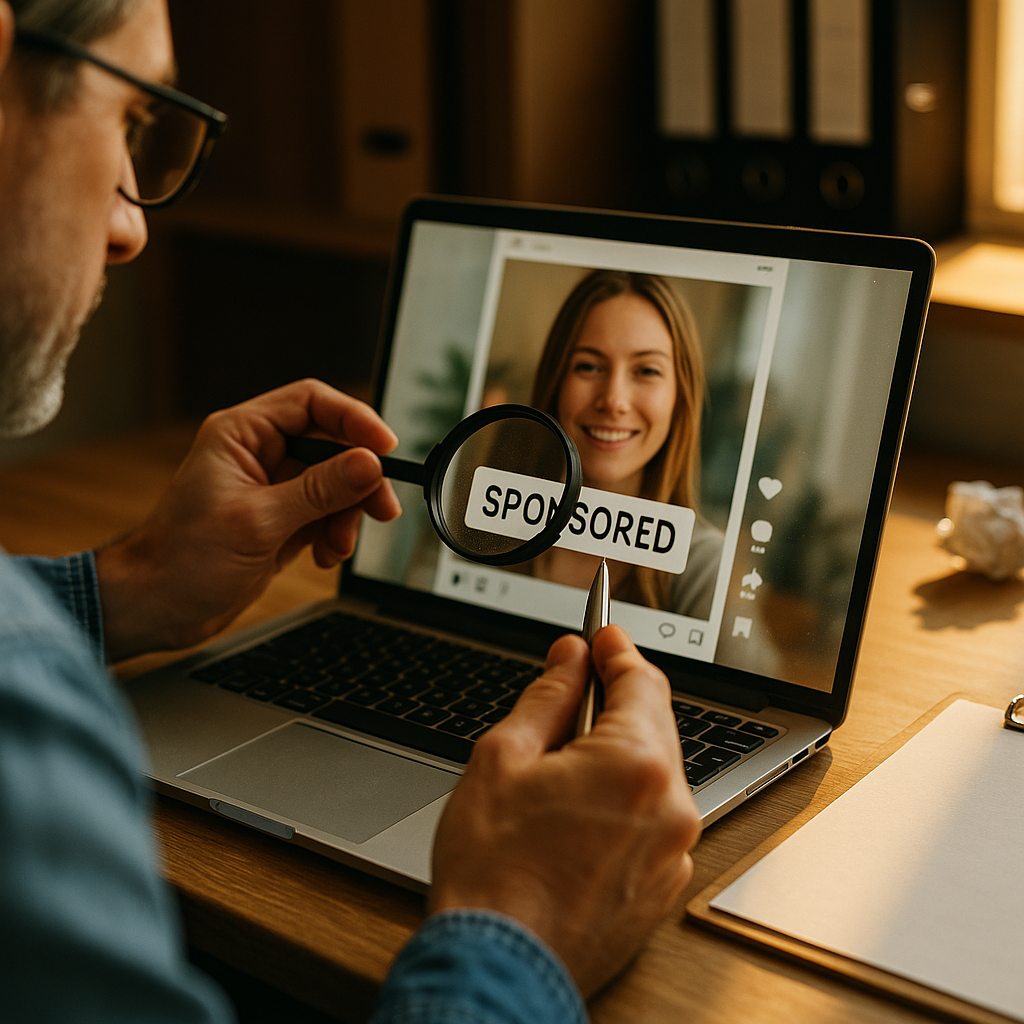
TikTok’s AI remix tools can strip a sponsorship label off a video faster than your legal team can say “material connection.” If your brand hasn’t run a disclosure audit protocol against AI-remixed creator content, you’re one algorithm update away from an FTC complaint. That’s not fear-mongering. It’s just how platform-native AI editing tools currently work.
Here’s the uncomfortable part: nobody designed these remix features with compliance in mind. TikTok’s Stitch, Duet, and its newer AI-driven “remix” and video-extension tools, along with Instagram’s Reels remix and AI editing suite, were built for virality, not for preserving #ad tags. Labels get buried, cropped out, or silently dropped when content gets reformatted, translated, or re-encoded by an algorithm. Brands are left holding the liability.
Why This Is Suddenly a Bigger Problem Than Last Year
Platform AI features used to be a novelty. Now they’re default. TikTok pushes creators toward AI-assisted editing suites to boost watch time, and Instagram’s Meta AI tools now auto-suggest remixes, translations, and format conversions for Reels. Every one of those transformations touches the original file, and metadata (including disclosure overlays) isn’t always guaranteed to survive the trip.
Compare that to a static sponsored post from a few years ago. One asset, one caption, one disclosure tag, done. Now a single piece of sponsored content might spin off into six algorithmic variants across regions, languages, and aspect ratios in the same week. Each variant is a potential compliance gap.
A single sponsored video can generate a dozen AI-remixed derivatives within 72 hours of posting — and most brands have no visibility into whether the disclosure survived a single one of them.
The FTC has been explicit that disclosure obligations don’t disappear just because a platform algorithm reformatted the content. Brands remain on the hook. Our earlier breakdown of TikTok, YouTube, and Meta AI labels vs FTC rules covers how platform-native “AI-generated” tags frequently fail to meet FTC’s “clear and conspicuous” standard on their own. Remix content compounds that problem because the label might not even make it into the derivative at all.
What a Disclosure Audit Protocol Actually Covers
Think of this less as a one-time compliance check and more as a recurring surveillance system. A proper protocol has four layers:
- Source verification: Confirm the original creator post carried a compliant, platform-native disclosure (TikTok’s “Paid partnership” label, Instagram’s “Paid partnership with” tag) at time of publish.
- Derivative tracking: Identify every AI remix, duet, stitch, or auto-translated version that spins off the original within a defined monitoring window, typically 30 to 60 days.
- Label persistence check: For each derivative, verify whether the disclosure tag, caption text, or on-screen overlay survived the transformation.
- Remediation logging: Document every gap found, the fix applied, and the timestamp, because regulators and platforms both want a paper trail, not a promise.
None of this is glamorous work. It’s closer to financial reconciliation than creative strategy. But skipping it is how brands end up explaining themselves to the FTC after the fact instead of catching the problem in week one.
Where Brands Get This Wrong
Most teams treat disclosure compliance as a briefing-stage checkbox. Creator signs contract, agrees to tag posts, brand moves on. That mindset made sense when content was static. It doesn’t survive contact with algorithmic remixing.
The mistake compounds when brands assume platform AI labels (like TikTok’s “AI-generated content” tag) satisfy FTC disclosure requirements. They generally don’t, because they disclose AI involvement, not the commercial relationship. Two different disclosures, two different legal purposes, and platforms conflate them constantly. If your team hasn’t mapped this distinction clearly, start with our FTC disclosure checklist for AI-generated creator briefs, which separates the two obligations line by line.
Building the Protocol: A Practical Workflow
You don’t need a new department. You need a repeatable process that your compliance, social, and legal teams can run without reinventing it every quarter.
- Set a monitoring cadence. Weekly sweeps for high-spend campaigns, biweekly for evergreen creator partnerships. Daily is overkill unless you’re mid-launch on something regulatory-sensitive.
- Use platform search and hashtag tracking. Both TikTok and Instagram allow you to trace remixes and duets back to source content. Pair this with a social listening tool (Sprout Social and similar platforms offer this) to catch derivatives the native search misses.
- Screenshot and archive everything. Not just the original post, every derivative you find, with timestamps. If a label disappears three weeks after a remix, you need proof of when it was there and when it wasn’t.
- Score each derivative. Compliant, non-compliant, or ambiguous. Ambiguous cases (partial label, low-contrast overlay, disclosure buried in a caption cut off by “see more”) need legal review, not a shrug.
- Trigger remediation fast. A takedown request, a re-upload with a corrected label, or a direct message to the creator asking them to fix it. Speed matters more than perfection here; regulators care about good-faith responsiveness.
Assign clear ownership. Compliance teams often assume social teams are watching for this, and social teams assume legal has it covered. That gap is exactly where violations slip through.
The Cross-Platform Complication
TikTok and Instagram don’t handle remix metadata the same way, and that inconsistency is a headache for any brand running multi-platform creator campaigns. TikTok’s remix and Stitch features generally preserve some attribution to the original video, but disclosure overlays baked into the video itself (rather than the platform’s native paid-partnership tag) can get cropped depending on aspect ratio changes. Instagram’s Reels remix, meanwhile, tends to carry over captions but not always the visual “Paid partnership” banner if the derivative is heavily reformatted by Meta’s AI editing suite.
Add international creators into the mix and you’re now juggling disclosure standards across jurisdictions too. The UK’s ASA, the EU’s DSA, and the US FTC don’t define “clear and conspicuous” identically, and a remix that satisfies one may fail another. Our cross-border disclosure matrix is a useful reference if your creator roster spans multiple regulatory zones, which, honestly, most mid-size influencer programs now do.
Contractual Fixes, Not Just Monitoring
An audit protocol catches problems after they happen. The better play is preventing them contractually, so creators (and their downstream remixers) know disclosure survival is part of the deal.
Build language into creator agreements requiring:
- Disclosure tags embedded as burned-in text overlays, not just platform metadata that can be stripped during reformatting.
- A 48-hour notification window if a creator notices their content has been remixed by another user or an AI tool without the label intact.
- Brand approval rights over any official brand-initiated remix or repurposing of the original asset.
This isn’t about controlling every fan-made duet on the internet, that’s not realistic and frankly not your liability in most cases. It’s about the remixes your brand or agency initiates, and the ones from paid creators where you do carry legal exposure. For a deeper look at how liability actually flows in these arrangements, see our brand-directed creator liability playbook.
If your creator contracts don’t specify what happens when a sponsorship label gets algorithmically stripped, you’ve already lost the argument before the FTC ever asks the question.
Tools and Tech: What’s Actually Available Right Now
There’s no single dashboard that does all of this for you yet. Vendors are catching up, but most disclosure monitoring today is a stitched-together (no pun intended) combination of:
- Native platform analytics (TikTok Creator Marketplace, Meta Business Suite) for tracking original post performance and some derivative visibility.
- Social listening platforms for catching remixes and reposts outside the immediate creator relationship.
- Manual legal review for the ambiguous cases that software can’t reliably flag.
If your team is building this out for the first time, don’t over-invest in tooling before you’ve nailed the process. A well-run spreadsheet with clear ownership beats an expensive platform nobody actually checks weekly. Once the workflow is proven, then it’s worth evaluating dedicated compliance software. For teams further along, our legal review checklist for AI-generated UGC disclosure outlines what a mature review process looks like once you’ve moved past spreadsheets.
What Regulators Are Actually Watching For
The FTC has repeatedly signaled that “the platform did it” isn’t a defense. Enforcement priorities have leaned toward brands and agencies with clear patterns of neglect, not isolated one-off slips. A single missed label on a remix is a fixable mistake. A pattern of missed labels across dozens of derivatives, with no monitoring system in place, looks like willful blindness.
That distinction matters enormously for penalty severity. Regulators, and frankly platforms themselves, respond better to brands that can show an active audit trail, even an imperfect one, than to brands that claim ignorance. Documentation is your best defense, and it’s cheap insurance compared to a formal FTC inquiry.
Marketing teams should also watch how platforms handle this on their end. TikTok has adjusted its TikTok for Business disclosure tools multiple times, and Meta continues to iterate on Meta Business Suite labeling defaults. Neither company has committed to preserving disclosure metadata through every AI remix path, which means the burden stays on brands to verify, not assume.
Building This Into Your Compliance Calendar
Disclosure audits shouldn’t be a fire drill you run after a scare. They belong in your standing compliance calendar alongside contract renewals, FTC guideline reviews, and platform policy updates. If you haven’t formalized that yet, our guide to building an annual compliance calendar for creator programs walks through how to slot recurring audits (including this one) into a schedule your team will actually follow.
Industry data from eMarketer continues to show influencer spend climbing year over year, which means more creator content, more AI-assisted remixing, and more surface area for disclosure gaps. The brands treating this as a recurring operational function, not a one-time legal memo, are the ones who’ll avoid becoming the next enforcement headline.
Start small if you have to. Pick your three highest-spend creator partnerships, run a 30-day derivative sweep, and see what turns up. You’ll likely find at least one gap. Fix it, document it, and use that as the template for scaling the protocol across your full program.
Frequently Asked Questions
What counts as an “AI-remixed” piece of creator content?
Any derivative created through platform-native AI tools, such as TikTok’s remix or duet features, Instagram’s Reels remix, or automated translation and reformatting tools, that alters the original sponsored post’s format, language, or presentation.
Is the brand liable if a fan, not the creator, strips the disclosure during a remix?
Liability generally centers on brand-directed or brand-initiated content. Fan remixes carry less direct exposure, but if a brand actively promotes or amplifies a stripped-label remix, exposure increases significantly.
How often should we run a disclosure audit on active campaigns?
Weekly for high-spend or high-visibility campaigns, biweekly for evergreen creator partnerships. Increase frequency during regional launches or when creators post in multiple languages.
Do platform “AI-generated” labels satisfy FTC disclosure requirements?
No. Platform AI labels disclose that content involved AI tools; FTC disclosure rules require clear notice of a material commercial connection. They serve different purposes and one doesn’t substitute for the other.
What’s the fastest fix when we find a stripped disclosure on a remix?
Request an immediate re-upload with the corrected label, or file a takedown request if the creator is unresponsive. Document the timeline of discovery and remediation regardless of which path you take.
Frequently Asked Questions
What counts as an “AI-remixed” piece of creator content?
Any derivative created through platform-native AI tools, such as TikTok’s remix or duet features, Instagram’s Reels remix, or automated translation and reformatting tools, that alters the original sponsored post’s format, language, or presentation.
Is the brand liable if a fan, not the creator, strips the disclosure during a remix?
Liability generally centers on brand-directed or brand-initiated content. Fan remixes carry less direct exposure, but if a brand actively promotes or amplifies a stripped-label remix, exposure increases significantly.
How often should we run a disclosure audit on active campaigns?
Weekly for high-spend or high-visibility campaigns, biweekly for evergreen creator partnerships. Increase frequency during regional launches or when creators post in multiple languages.
Do platform “AI-generated” labels satisfy FTC disclosure requirements?
No. Platform AI labels disclose that content involved AI tools; FTC disclosure rules require clear notice of a material commercial connection. They serve different purposes and one doesn’t substitute for the other.
What’s the fastest fix when we find a stripped disclosure on a remix?
Request an immediate re-upload with the corrected label, or file a takedown request if the creator is unresponsive. Document the timeline of discovery and remediation regardless of which path you take.
Pick your three biggest creator partnerships this week, run a 30-day derivative sweep, and document what you find. That single exercise will tell you more about your real compliance exposure than any policy memo sitting in your legal team’s inbox.
Top Influencer Marketing Agencies
The leading agencies shaping influencer marketing in 2026
Agencies ranked by campaign performance, client diversity, platform expertise, proven ROI, industry recognition, and client satisfaction. Assessed through verified case studies, reviews, and industry consultations.
Moburst

-
2

The Shelf
Boutique Beauty & Lifestyle Influencer AgencyA data-driven boutique agency specializing exclusively in beauty, wellness, and lifestyle influencer campaigns on Instagram and TikTok. Best for brands already focused on the beauty/personal care space that need curated, aesthetic-driven content.Clients: Pepsi, The Honest Company, Hims, Elf Cosmetics, Pure LeafVisit The Shelf → -
3

Audiencly
Niche Gaming & Esports Influencer AgencyA specialized agency focused exclusively on gaming and esports creators on YouTube, Twitch, and TikTok. Ideal if your campaign is 100% gaming-focused — from game launches to hardware and esports events.Clients: Epic Games, NordVPN, Ubisoft, Wargaming, Tencent GamesVisit Audiencly → -
4

Viral Nation
Global Influencer Marketing & Talent AgencyA dual talent management and marketing agency with proprietary brand safety tools and a global creator network spanning nano-influencers to celebrities across all major platforms.Clients: Meta, Activision Blizzard, Energizer, Aston Martin, WalmartVisit Viral Nation → -
5

The Influencer Marketing Factory
TikTok, Instagram & YouTube CampaignsA full-service agency with strong TikTok expertise, offering end-to-end campaign management from influencer discovery through performance reporting with a focus on platform-native content.Clients: Google, Snapchat, Universal Music, Bumble, YelpVisit TIMF → -
6

NeoReach
Enterprise Analytics & Influencer CampaignsAn enterprise-focused agency combining managed campaigns with a powerful self-service data platform for influencer search, audience analytics, and attribution modeling.Clients: Amazon, Airbnb, Netflix, Honda, The New York TimesVisit NeoReach → -
7

Ubiquitous
Creator-First Marketing PlatformA tech-driven platform combining self-service tools with managed campaign options, emphasizing speed and scalability for brands managing multiple influencer relationships.Clients: Lyft, Disney, Target, American Eagle, NetflixVisit Ubiquitous → -
8

Obviously
Scalable Enterprise Influencer CampaignsA tech-enabled agency built for high-volume campaigns, coordinating hundreds of creators simultaneously with end-to-end logistics, content rights management, and product seeding.Clients: Google, Ulta Beauty, Converse, AmazonVisit Obviously →