


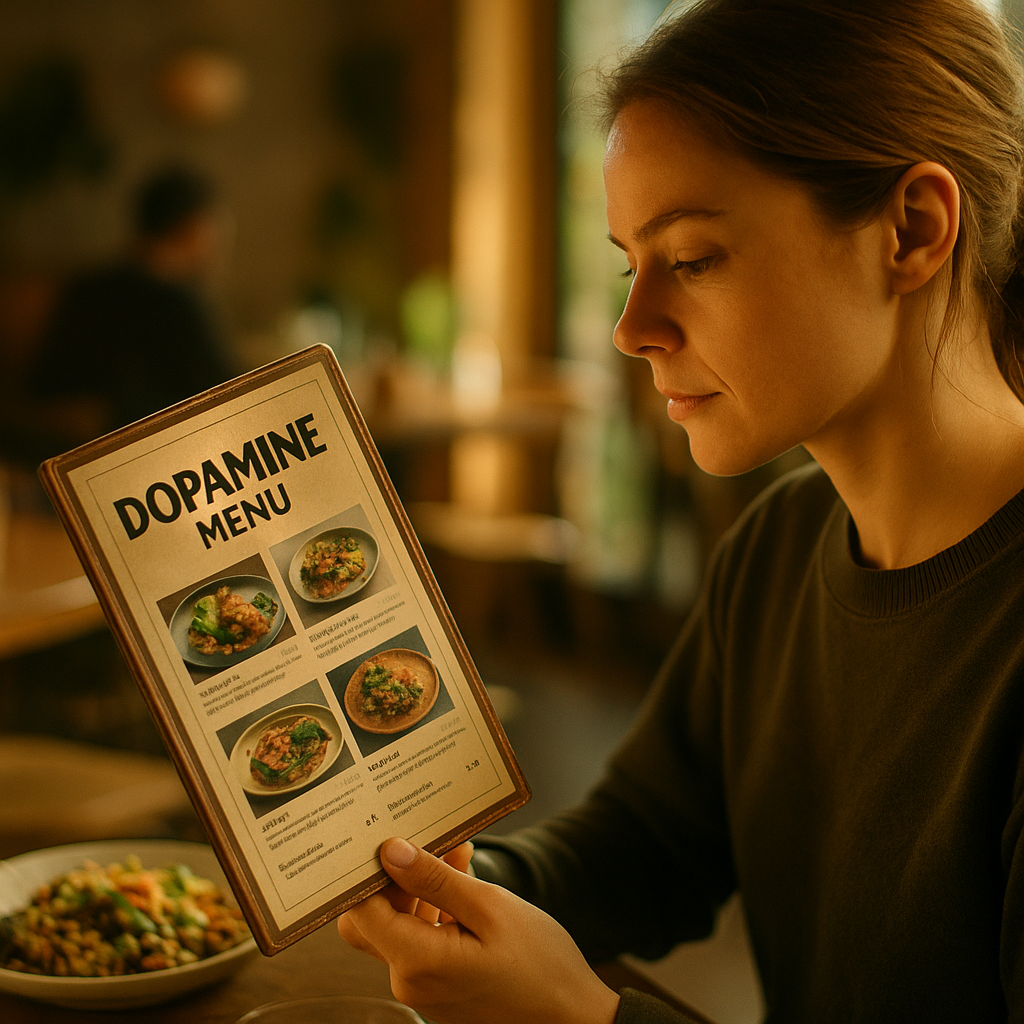
The “Dopamine Menu” trend represents a fascinating shift in wellness content for 2025, influencing how digital audiences approach everyday habits. As rising interest surrounds brain chemistry’s role in happiness, this trend combines neuroscience, biohacking, and bite-sized wellness tips. Let’s explore why “dopamine menus” are gaining traction—and what their evolution means for the future of online well-being advice.
What Is a “Dopamine Menu”? The Science Behind the Trend
At its core, a dopamine menu is a curated list of activities, habits, or experiences designed to stimulate dopamine release in the brain. Dopamine, a neurotransmitter, plays a major part in motivation, pleasure, and reward processing. In 2025, wellness influencers are leveraging our understanding of this “feel-good” chemical to promote accessible mood-boosting routines, from mindful movement to creative tasks and micro-habits.
The appeal lies in accessibility. Unlike complex wellness regimens, dopamine menus typically feature simple, low-cost activities such as:
- Listening to energizing music
- Morning sunlight exposure
- Journaling or practicing gratitude
- Short walks or stretching breaks
- Decluttering a small area
- Caring for plants or pets
These micro-pleasures, supported by neuroscientific studies, provide practical support for daily well-being—especially for digital natives seeking structure amid stress.
Wellness Influencers & The EEAT Principle in Dopamine Menu Content
With the surge of dopamine menu posts across TikTok and Instagram, the importance of EEAT—experience, expertise, authoritativeness, and trustworthiness—has never been greater. Faithful to Google’s quality standards, leading wellness creators increasingly quote clinical psychologists, cite peer-reviewed research, and clarify that advice is informational, not medical.
Leading experts now recommend that users:
- Critically assess the credentials of dopamine menu creators
- Seek evidence-backed recommendations
- Balance “quick dopamine” rewards (like social media use) with longer-term habits (like exercise)
EEAT-driven content encourages users to personalize menus to their own routines and neurochemistry. As a result, revamped dopamine menu content helps users avoid misinformation and overly seductive “hacks,” keeping wellness safe as well as trendy in 2025.
How Dopamine Menus Are Shaping Wellness Content in 2025
Dopamine menus reflect a wider evolution in wellness content, shifting away from rigid dietary plans and intense fitness challenges toward a more holistic, neurodiversity-inclusive approach. In 2025, we see dopamine menus designed for:
- Office workers seeking focus boosts during the workday
- Students managing remote learning fatigue
- Neurodivergent individuals needing structured positive feedback
- Parents balancing household duties with self-care
Platforms like YouTube and Substack now host dopamine menu challenges and community-driven “habit swaps.” The emphasis? Achievability over perfection. This approach resonates with the current wellness zeitgeist: a kinder, more evidence-based perspective on creating joy and preventing burnout.
Benefits and Critiques: Are Dopamine Menus Effective?
Many mental health advocates celebrate dopamine menus for helping users break free from “all-or-nothing” wellness thinking and rediscover small moments of pleasure. By tracking and repeating fulfilling micro-habits, proponents report increased motivation, reduced stress, and a renewed sense of self-agency. In digital wellness forums of 2025, dopamine menu users share personal wins—like rebuilding exercise habits after burnout or overcoming creative blocks.
However, some psychologists caution against relying too heavily on quick-fix dopamine boosters. Risks may include:
- Overemphasizing instant gratification (e.g., constant phone checking)
- Neglecting deeper emotional or psychological needs
- Comparing oneself to idealized routines promoted online
The consensus among EEAT-aligned experts? Use dopamine menus as thoughtful starting points, not rigid prescriptions; and if mental health concerns persist, seek professional care.
Creating a Personalized Dopamine Menu: Expert-Backed Strategies
Building a dopamine menu tailored to your unique preferences and lifestyle can foster sustainable well-being. Here’s an expert-backed, step-by-step method:
- Reflect: Identify what genuinely makes you feel energized, calm, or accomplished.
- Curate: List 5-8 small activities you can do at home, work, or on the go.
- Test: Try one activity daily. Note which leave you feeling most refreshed afterward.
- Vary: Include a mix of social, solo, physical, and creative habits.
- Review: Every few weeks, adjust your menu based on mood and life demands.
Some 2025 additions that experts recommend:
- Digital nourishment: Unsubscribing from negative content, or following a “joy scroll” session of positive feeds.
- Intermittent novelty: Routinely trying one new meal, route, or creative exercise to balance routine and excitement.
- Social micro-connections: A quick call to a loved one, or even an uplifting group chat exchange.
Personalization is central: The more a dopamine menu resonates with your unique brain and context, the more effective it tends to be.
The Future of Wellness: Dopamine Menu Trend Predictions
As the “dopamine menu” trend cements itself in 2025’s wellness landscape, its evolution seems poised for greater individualization and scientific rigor. We predict future dopamine menu content will:
- Pair with wearable devices that track mood or motivation in real-time
- Integrate with guided journaling and habit-tracking apps
- Encourage transparency on the science behind each menu item
- Support positive, inclusive communities where users can adapt ideas
The most influential wellness creators and brands will likely form collaborations with neuroscientists, making dopamine menus accessible—and truly empowering—for wider audiences. For readers, recognizing the trend’s limits while embracing its best facets offers a healthy path forward.
Conclusion: What Does the Dopamine Menu Trend Mean for You?
The dopamine menu trend is reshaping wellness content by making positive habits more practical and inclusive. For sustained self-care in 2025, use these menus as guides—not rulebooks—while prioritizing personal preferences and credible advice. Embrace what energizes you, and remember: Well-being thrives on both science and self-knowledge.
FAQs: The Dopamine Menu Trend
-
What is a dopamine menu?
A dopamine menu is a curated list of simple activities engineered to boost dopamine, a neurotransmitter linked to pleasure, motivation, and reward. The aim is to provide tangible, low-barrier ways to improve mood and motivation throughout the day.
-
How do I make my own dopamine menu?
Identify everyday activities that boost your mood, energy, or focus—such as listening to music, getting sunlight, or connecting with a friend. Test these habits, track your feelings, and update your menu regularly to reflect what works best for you.
-
Is the dopamine menu trend backed by science?
Many suggested activities are supported by neuroscience research on dopamine. However, the effectiveness of specific menus depends on individual brain chemistry and context. Always prioritize advice from qualified health professionals when addressing mental health needs.
-
Can a dopamine menu replace professional care?
No. While dopamine menus can support daily well-being, they are not substitutes for therapy or professional mental health care if you’re experiencing persistent distress or diagnosed conditions.
-
What are the potential downsides of dopamine menus?
Potential risks include seeking quick fixes at the expense of deeper well-being needs, or feeling pressured to replicate “perfect” routines. Experts recommend using dopamine menus mindfully, without comparison or guilt.