


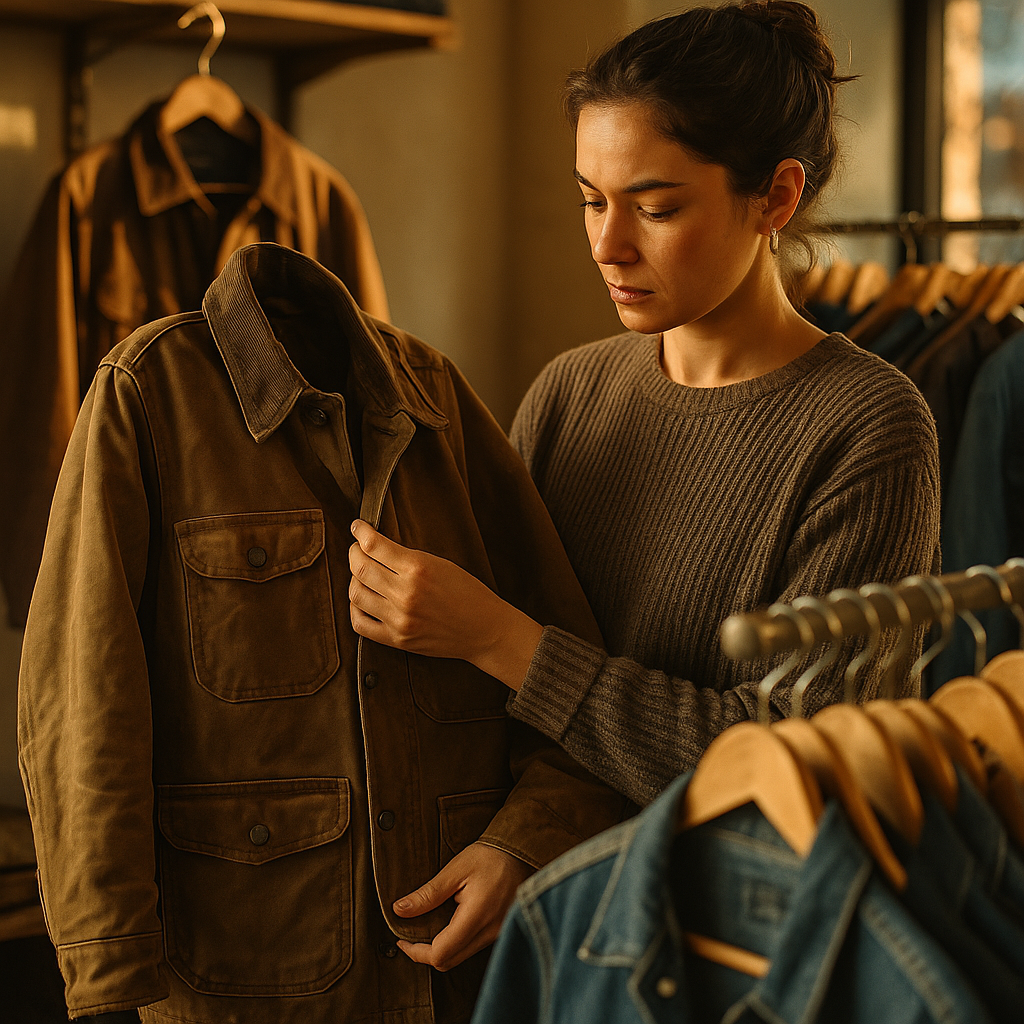
Sustainable fashion champions clothes that last over fleeting trends, prioritizing quality and long-term wear. In 2025, eco-conscious consumers are leading the shift to durable wardrobes, but how can you truly spot longevity in your clothing? Discover the essentials of sustainable fashion and why durability outshines passing styles for building a wardrobe that stands the test of time.
The Rise of Durable Clothing: Shifting Away from Fast Fashion
Fashion has traditionally been dictated by what’s “in”—seasonal collections, sudden must-haves, and micro-trends dominating wardrobes. However, fast fashion’s environmental footprint is no secret, accounting for around 10% of global carbon emissions according to the UN. As awareness grows, consumers are increasingly rejecting disposable clothing in favor of investment pieces that last for years.
Durability is now taking center stage. Unlike fast fashion, where clothes are made to be worn a handful of times, sustainable brands focus on creating garments built to outlast trends. This change represents more than just a fashion statement; it signals a deeper cultural shift toward responsibility, ethical production, and thoughtful consumption. As a result, shoppers are now empowered to seek clothing that combines timeless style with resilient materials and craftsmanship.
How to Identify Long-Lasting Sustainable Materials
At the core of sustainable fashion is the use of materials designed for longevity. Fabrics like organic cotton, hemp, linen, TENCEL™, and regenerated wool consistently outperform their conventional counterparts in endurance. For example, TENCEL™ is made from sustainably sourced wood pulp and is renowned for both its softness and strength, while hemp is naturally resistant to wear and tear.
When evaluating fabrics, consider:
- Fiber strength: Natural fibers like linen and hemp are among the most durable choices.
- Weave and knit structure: Dense weaves and high-quality knits resist holes and fraying.
- Certifications: Look for GOTS (Global Organic Textile Standard) or OEKO-TEX® certifications, ensuring sustainability and safety.
Understanding fabric composition and manufacturing methods helps buyers avoid weak synthetics and focus on clothing meant to be worn, washed, and enjoyed for many years.
Evaluating Garment Construction and Quality Indicators
Beyond fabric, the way a garment is made determines its longevity. Thoughtfully constructed clothing often includes reinforced seams, double stitching, and quality finishes that together withstand frequent use. In 2025, many reputable sustainable brands now offer transparency about their manufacturing techniques—a sign of true commitment to both ethics and durability.
When shopping, watch for these quality markers:
- Sturdy seams and even stitching: Clean, consistent sewing lines and tight seams prevent unraveling.
- High-quality zippers and fastenings: Metal hardware or reinforced buttons last much longer than plastic or glue-based options.
- Extra linings or interface layers: These details, especially in coats and jackets, increase lifespan by reducing wear at stress points.
Some brands even offer repair services or lifetime guarantees, reflecting confidence in their product’s endurance. Choosing companies with these assurances reflects a deeper alignment with true sustainability.
Building a Versatile, Trend-Proof Wardrobe
A key principle of sustainable fashion is versatility—choosing core pieces that work across seasons and occasions. Rather than chasing short-lived trends, focus on classic silhouettes, neutral colors, and quality construction.
Consider building your wardrobe around these long-lasting essentials:
- Tailored trousers and classic jeans: Well-cut bottoms resist style fatigue and fit into almost any wardrobe.
- Structured blazers or jackets: Quality outerwear transitions effortlessly from work to leisure and can be layered year-round.
- Minimalist dresses and shirts: Solid or subtle patterns in timeless cuts are always in style.
- Multi-purpose shoes and accessories: Invest in well-made items that can anchor diverse outfits.
By prioritizing function and adaptability, you reduce the urge to “refresh” your wardrobe every season, thus lowering both environmental impact and cost over time.
The Cost-Per-Wear Mindset: Rethinking Fashion Value
One barrier to sustainable fashion is perceived expense. At face value, durable, ethically made clothing can cost more than fast fashion alternatives. However, the “cost-per-wear” approach reframes clothing as a long-term investment.
For example, buying a jacket for $200 that’s worn 100 times results in a cost-per-wear of $2. By comparison, a $40 fast fashion coat worn only five times costs $8 per wear. In the long run, quality pieces save money and resources, reflecting true value for both your wallet and the planet.
Embracing this mindset also promotes mindful shopping—fewer, better choices—reducing impulse buying and supporting ethical industry standards. In 2025, consumers have more access than ever to detailed product information, customer reviews, and brand transparency, reinforcing cost-per-wear as a practical, sustainable approach.
Diversifying Your Wardrobe with Pre-loved and Upcycled Fashion
Sustainability doesn’t end with new garments. The pre-loved and upcycled market in 2025 has grown significantly, with global platforms and boutique stores reimagining vintage clothing for the modern wearer. Buying used or upcycled clothing not only extends garment life but also slashes the environmental toll of new production.
Savvy shoppers can diversify their closets through:
- Thrift stores and online resale: Explore quality, brand-name pieces at a fraction of original prices.
- Upcycling: Transform outdated or damaged clothing into stylish, one-of-a-kind pieces.
- Swap events: Join local clothing swaps to refresh your wardrobe sustainably.
By embracing secondhand and repurposed fashion, consumers take active roles in circular economies—and prove that style and sustainability are truly compatible.
Conclusion: Prioritize Longevity for a Sustainable Fashion Future
Durability stands at the heart of sustainable fashion, offering more than fleeting style. By investing in quality, timeless pieces and embracing pre-loved options, you champion resilience over waste. Make durability your priority for a wardrobe that matches your values and lasts far beyond the latest trends.
FAQs on Sustainable Fashion and Durability
-
What is the key difference between sustainable fashion and fast fashion?
Sustainable fashion focuses on eco-friendly materials, ethical manufacturing, and durability, while fast fashion prioritizes rapid trend turnover, low cost, and disposable styles.
-
How do I know if a garment is really durable?
Check the fabric type (natural fibers like hemp and linen are durable), inspect stitching and finishing, try fastenings, and look for transparency in brand manufacturing and repair services.
-
Is sustainable clothing more expensive?
Upfront, sustainable clothes may cost more, but their durability means a lower long-term “cost-per-wear,” saving money and resources over time.
-
Are there any certifications to look for in sustainable clothing?
Yes, seek out GOTS (Global Organic Textile Standard), OEKO-TEX®, and Fair Trade certifications, which assure sustainability and safety standards.
-
What role does secondhand shopping play in sustainable fashion?
Buying pre-loved or upcycled clothing extends garment lifespans, reduces demand for new production, and is a crucial part of sustainable fashion’s circular economy.