


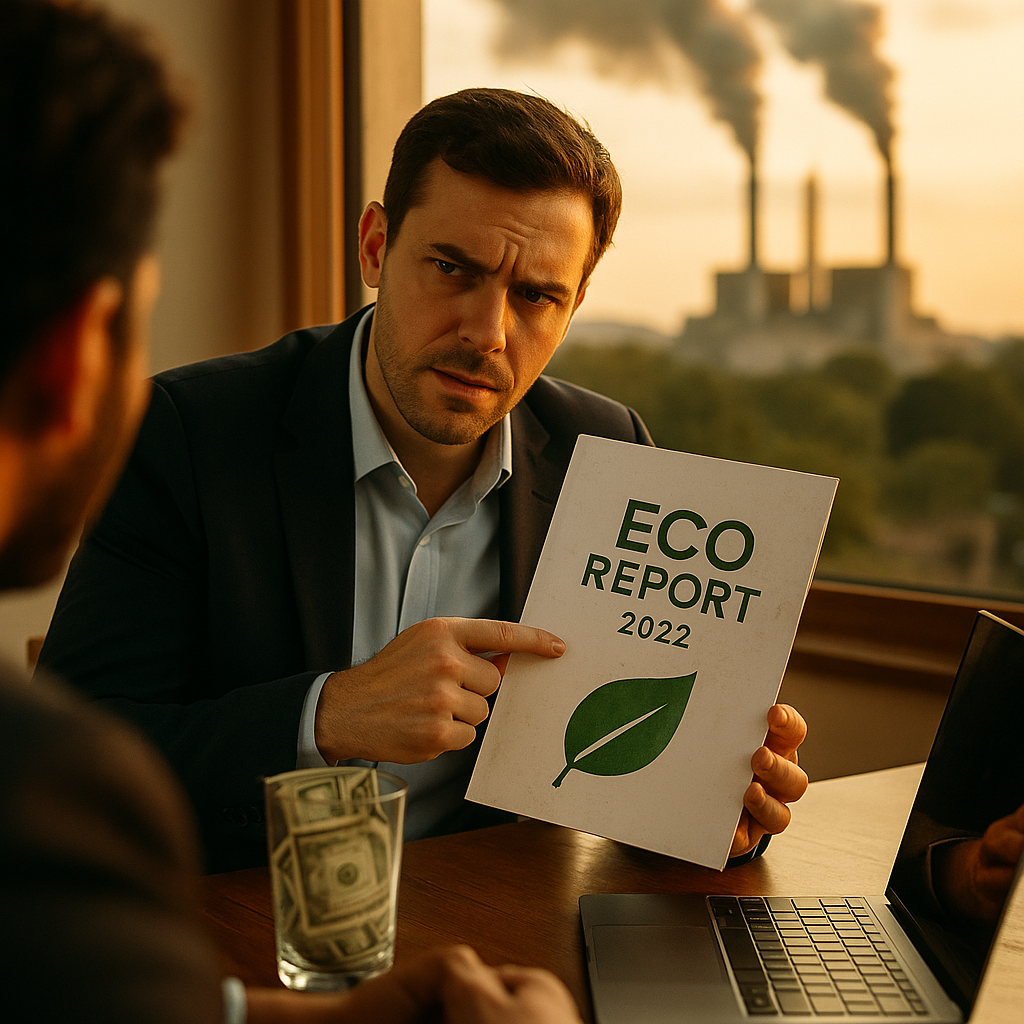
Eco doping awareness is reshaping how consumers, regulators, and investors judge sustainability claims in 2026. As scrutiny intensifies, brands can no longer rely on vague promises, recycled slogans, or cosmetic environmental messaging. The shift is not just about spotting deception; it is about demanding measurable impact, transparent proof, and accountability across the value chain. What does that mean in practice?
Understanding Eco Doping and Greenwashing in Sustainability Marketing
Eco doping describes the practice of artificially inflating a product’s, company’s, or campaign’s environmental credentials to appear more sustainable than the evidence supports. It overlaps with greenwashing, but the term eco doping highlights a more active distortion: businesses “boost” their image with selective metrics, misleading labels, overstated carbon claims, or narrow improvements that hide broader harms.
In practical terms, eco doping can look like:
- Promoting recyclable packaging while ignoring highly polluting production methods
- Advertising “carbon neutral” products based on weak or opaque offset programs
- Using nature-based visuals and language without verifiable sustainability performance
- Highlighting one ethical sourcing initiative while most suppliers remain unverified
- Claiming “clean,” “conscious,” or “eco-friendly” benefits without clear standards
The difference between honest sustainability communication and eco doping comes down to evidence, scope, and transparency. A credible claim explains what changed, how it was measured, what limits remain, and which independent standards apply. A misleading claim tends to be broad, emotional, and difficult to verify.
This distinction matters because consumer expectations have matured. People now ask sharper questions: Is the claim certified? Does it apply to the whole company or only one product line? Were emissions actually reduced, or just offset? Is the impact material or marginal? Brands that cannot answer these questions face reputational risk, regulatory attention, and declining trust.
Why Eco Doping Awareness Is Growing Across Consumer Trust
Consumer trust has become the central battleground. Eco doping awareness is rising because audiences have better access to information, more exposure to investigations, and less patience for corporate ambiguity. Shoppers compare labels, read ingredient lists, review supply chain disclosures, and follow watchdog reporting on social platforms and news outlets.
Several forces are accelerating this shift in 2026:
- Stronger public literacy: Sustainability terms that once sounded impressive now invite scrutiny.
- Faster information spread: Misleading claims can be challenged publicly within hours.
- Regulatory pressure: Authorities in multiple markets are tightening rules around environmental marketing and disclosures.
- Investor expectations: Capital increasingly favors businesses that can show durable, measurable sustainability performance.
- Employee activism: Internal teams often push leadership to align messaging with reality.
This awareness is not just driven by skepticism. It is also driven by genuine demand for better business practices. Many consumers want to support responsible brands, but they need reliable signals to do so. When companies exaggerate sustainability, they do more than mislead buyers. They distort competition by making serious sustainability investments look equivalent to cosmetic gestures.
That harms the market. Businesses that spend on lower-emission logistics, cleaner materials, supplier audits, and product redesign should not have to compete with rivals using vague language and strategic omissions. Eco doping awareness therefore helps reset incentives. It pushes brands to compete on substance rather than storytelling alone.
For marketers, this changes the communications playbook. Strong sustainability messaging now requires collaboration with operations, legal, procurement, compliance, and data teams. The days of launching broad green campaigns based on limited internal information are fading fast.
How ESG Transparency Helps Brands Move Beyond Greenwashing
ESG transparency is one of the clearest ways to move beyond greenwashing. Transparency means more than publishing a glossy report. It requires companies to disclose what they measure, why it matters, where the data comes from, and which gaps still exist.
Helpful content and trustworthy sustainability communication follow a few core principles:
- Be specific. Replace broad claims like “planet friendly” with defined outcomes, such as lower water use, reduced packaging weight, or verified renewable electricity sourcing.
- Show methodology. Explain how emissions, waste, or energy savings were calculated.
- Define boundaries. Clarify whether a claim applies to a product, facility, region, or the entire business.
- Use third-party validation. Independent audits, certifications, and recognized frameworks add credibility.
- Acknowledge limitations. Honest disclosure of tradeoffs signals maturity and reduces suspicion.
EEAT best practices matter here. Content should demonstrate experience through real operational examples, expertise through accurate terminology and data interpretation, authoritativeness through recognized standards or external verification, and trustworthiness through balanced claims that avoid exaggeration.
For example, a credible apparel company would not simply say it is “sustainable.” It would explain the percentage of certified materials used, the emissions intensity of production, factory oversight practices, repair or resale options, and the remaining challenges in reducing Scope 3 emissions. That level of detail gives readers what they actually need to evaluate a claim.
Transparency also protects brands. If a company communicates carefully and documents progress over time, it is better positioned to withstand criticism, answer media questions, and satisfy regulators. In contrast, vague claims create legal and reputational exposure because they are easier to challenge and harder to defend.
Key Sustainable Business Practices That Reduce Eco Doping Risk
Sustainable business practices become credible only when they are embedded in operations rather than limited to marketing. To reduce eco doping risk, companies need systems that connect environmental claims to real performance.
The most effective practices include:
- Materiality assessments: Focus on environmental issues with the greatest impact, not just the easiest wins.
- Lifecycle analysis: Evaluate a product from raw materials to disposal, so claims do not ignore hidden impacts.
- Supplier verification: Confirm standards upstream instead of relying on self-reported promises.
- Data governance: Build reliable internal processes for collecting, reviewing, and updating sustainability data.
- Claim review protocols: Require legal, compliance, and sustainability sign-off before publishing environmental statements.
- Clear KPIs: Track measurable outcomes such as emissions intensity, waste diversion, water use, and packaging reduction.
These practices answer an important follow-up question: how can a company market sustainability confidently without crossing into exaggeration? The answer is to treat sustainability claims like financial statements. They need controls, documentation, review, and accountability.
Another key step is avoiding the temptation to overstate early progress. A pilot project, a limited product line, or a packaging update can be worth communicating, but the scope must be clear. If only 15% of products meet a new environmental standard, the message should say so directly. Precision builds trust. Inflated language does not.
Leadership also plays a decisive role. When executives reward headline-friendly claims more than operational improvement, eco doping risk rises. When they reward evidence-based reporting and long-term performance, communications improve. Internal incentives shape external credibility.
The Role of Regulatory Compliance in Environmental Claims
Regulatory compliance is now a strategic necessity, not a back-office concern. Environmental marketing is facing tighter oversight in many jurisdictions, and regulators increasingly expect claims to be substantiated, understandable, and not misleading by omission.
That means businesses should review every public sustainability statement through three lenses:
- Can we prove it? There should be documentation behind every environmental claim.
- Will an average consumer understand it correctly? Technical accuracy is not enough if messaging creates a false overall impression.
- Are we leaving out material context? Selective disclosure can still mislead.
Common compliance pitfalls include:
- Using generic eco labels without recognized criteria
- Claiming net-zero or carbon-neutral status without transparent pathways
- Making comparative claims without a valid baseline
- Presenting aspirational targets as if they are current achievements
- Failing to disclose reliance on offsets, exclusions, or assumptions
Brands often ask whether legal compliance alone is enough. It is not. A claim may pass a narrow legal review and still damage trust if it sounds evasive or overpolished. The stronger approach is to pair compliance with clarity. Explain the claim in plain language, publish supporting information, and make it easy for readers to understand the real impact.
This is especially important for sectors with complex supply chains, such as fashion, food, beauty, travel, and consumer electronics. The more complex the footprint, the more dangerous simplistic claims become. A company that communicates nuance may appear less flashy at first, but it will usually be seen as more credible over time.
Building Brand Accountability With Verified Climate Action
Verified climate action is the path forward for brands that want durable credibility. Moving beyond greenwashing does not mean staying silent. It means saying less, proving more, and linking brand claims to operational evidence that can survive public scrutiny.
A strong accountability framework typically includes:
- Public targets with timelines: Commitments should be measurable and time-bound.
- Interim progress updates: Annual or periodic reporting prevents long gaps between promise and proof.
- Independent assurance: Third-party review adds confidence to reported metrics.
- Accessible disclosures: Make sustainability information easy to find and understand.
- Cross-functional ownership: Sustainability should involve operations, finance, product, legal, and marketing.
For content teams, the practical implication is clear: publish helpful information that respects the reader’s intelligence. If a product reduces plastic use by 28%, say that. If a service still has high travel-related emissions but is testing lower-impact alternatives, say that too. Readers do not expect perfection. They expect honesty, competence, and visible effort.
Brands that lead in this area usually share three traits. First, they prioritize substance over branding theater. Second, they understand that trust compounds slowly but can collapse quickly. Third, they see sustainability communication as part of governance, not just promotion.
Eco doping awareness will keep growing because the market is becoming better at separating claims from outcomes. Businesses that adapt now can build stronger customer relationships, attract more resilient investment, and reduce future reputation risk. Those that do not may find that environmental language no longer protects them from scrutiny; it invites it.
FAQs About Eco Doping Awareness and Greenwashing
What is eco doping in simple terms?
Eco doping is when a company exaggerates or artificially boosts its environmental image without enough evidence. It can involve vague claims, selective data, or messaging that makes a business appear more sustainable than it really is.
Is eco doping the same as greenwashing?
They are closely related, but eco doping emphasizes the active enhancement of sustainability claims. Greenwashing is the broader practice of misleading people about environmental responsibility. Eco doping can be seen as a sharper description of how some claims are strategically inflated.
Why are consumers paying more attention to this in 2026?
Consumers have more access to sustainability information, stronger expectations for proof, and greater awareness of misleading marketing tactics. Regulatory scrutiny and public discussion have also made environmental claims more visible and easier to challenge.
How can I tell if a sustainability claim is credible?
Look for specificity, measurable results, third-party verification, clear scope, and transparent methodology. Be cautious with broad terms like “eco-friendly” or “green” if the brand does not explain exactly what they mean.
What should companies do to avoid greenwashing?
They should verify claims with data, use recognized standards, define the boundaries of each claim, disclose limitations, and create internal review processes involving sustainability, legal, and marketing teams.
Do carbon offsets automatically make a claim misleading?
No, but offset-based claims require careful explanation. If a company relies on offsets, it should disclose that clearly, explain the quality of the program, and avoid implying that offsets are the same as directly reducing emissions.
Can small businesses communicate sustainability without risking eco doping accusations?
Yes. Small businesses should focus on concrete improvements they can prove, such as lower packaging waste, certified materials, or local sourcing. Clear, modest, evidence-based claims are safer and often more persuasive than ambitious but unsupported statements.
Why does this matter for investors and employees too?
Investors want lower risk and better governance, while employees increasingly want alignment between brand values and business conduct. Misleading sustainability claims can damage confidence across both groups, not just among customers.
Eco doping awareness is pushing sustainability communication into a more mature phase. Brands now need proof, precision, and accountability, not polished environmental language. The safest and strongest path is simple: measure real impact, explain claims clearly, verify what you can, and admit what still needs work. In 2026, trust belongs to companies that replace image management with evidence-led action.