


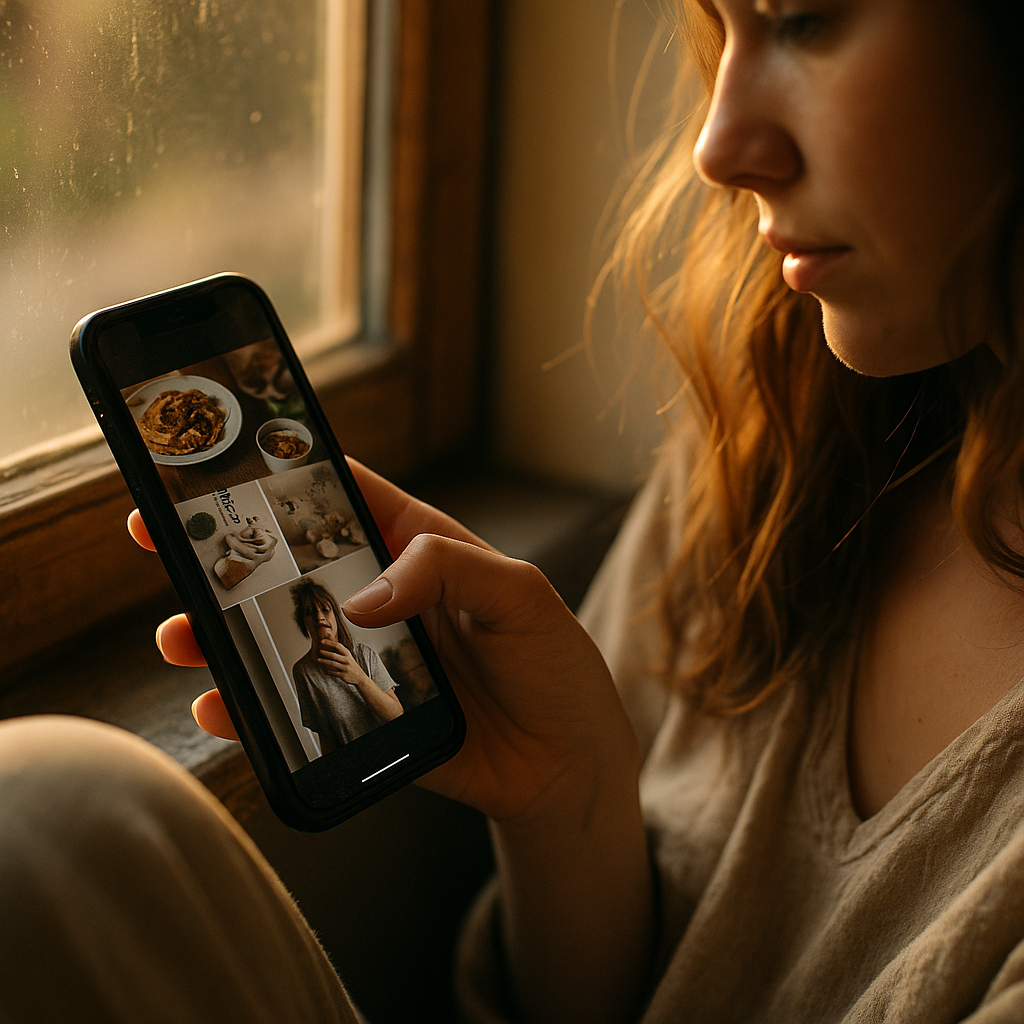
The decline of the “perfectly curated” feed marks a transformative moment in digital culture. As users grow weary of flawless grids and staged snapshots, authenticity now outshines perfection. Social media is evolving rapidly—will you keep up, or be left behind as algorithms and audiences favor real moments over polished personas? Discover why this shift matters for everyone online.
The Rise and Fall of the “Perfectly Curated” Feed
The concept of the “perfectly curated” feed took off with the early popularity of platforms like Instagram, where users painstakingly edited photos to create cohesive, harmonious grids. Influencers and brands chased aesthetic harmony, using scheduled posts, color themes, and even third-party editing tools. An entire subculture arose around achieving the ‘Instagrammable’ life—a visual facade that exuded effortless luxury and style.
Yet, by 2025, signs are everywhere that this glossy facade is cracking. Recent surveys from digital marketing groups show that around 68% of Gen Z and Millennial users now prefer authentic content over staged perfection. The pressures of maintaining a seamless feed have left many users feeling inauthentic and disconnected. In response, both creators and audiences are seeking something real and relatable—driving a swift and wide-reaching cultural shift.
Why Authenticity Resonates With Modern Audiences
Today’s audiences crave sincerity. Research highlights that posts featuring unfiltered, everyday moments consistently generate higher engagement than heavily edited ones. Authenticity builds trust, loyalty, and relatability. Users follow creators who share not just successes but struggles, vulnerabilities, and behind-the-scenes glimpses. This shift isn’t just about aesthetics—it’s about emotional connection and transparency.
Platforms have responded. Instagram, for example, has introduced features like Notes and candid stories, designed to foster daily, less-produced interaction. Brands, too, are moving away from perfect, product-only posts in favor of “real people, real moments” campaigns. Audiences reward this transparency with longer engagement times and increased interaction, reshaping the landscape for everyone involved in social media.
The Impact on Influencers and Brands
The decline of the “perfectly curated” feed fundamentally rewrites the influencer playbook. Influencers used to compete on the quality and consistency of their edited visuals. Now, the most successful personalities are those who create spontaneous content—think unfiltered selfies, honest reviews, or sharing personal failures.
This change extends to brands as well. Transparent, behind-the-scenes content helps humanize corporate accounts. Companies now collaborate with micro- and nano-influencers to reach niche audiences through genuine voices. According to a 2025 Brandwatch report, brands that incorporate user-generated, less-polished content see a 33% boost in engagement rates, cementing authenticity as a key marketing driver.
Algorithm Changes: From Perfection to Personality
Platform algorithms have played a pivotal role in this culture shift. Over the past year, platforms like Instagram and TikTok have updated their recommendation engines to prioritize content based on engagement, not aesthetics. Real-time, interactive short videos and casual photos now outperform heavily curated visuals in terms of reach and impressions.
This algorithmic evolution empowers smaller creators and everyday users to succeed. Viral challenges, rapid-fire Q&As, and spontaneous live streams now regularly eclipse content from once-dominant “perfectionists.” The result is a more diverse and vibrant feed for users, and a landscape in which personality and spontaneity trump style.
Mental Health: Escaping the Pressure of Perfection
Relief from the pressure to appear perfect is one of the most significant impacts of this digital shift. Studies from 2025 reveal a growing consensus among mental health experts that the quest for a flawlessly curated online presence contributed to anxiety and self-doubt, especially among younger users.
With a move toward authenticity, users report feeling less stressed and more comfortable sharing the ups and downs of their real lives. The digital world is becoming a more empathetic space where imperfections are not just tolerated but celebrated, promoting healthier relationships with technology and self-image.
Best Practices: Thriving in the Age of Authentic Feeds
So, how can individuals, creators, and brands succeed as the “perfectly curated” feed declines? Implementing the following strategies can foster growth and engagement in 2025’s social media landscape:
- Prioritize storytelling: Share the story behind each post, including struggles and journey—not just outcomes.
- Use unfiltered visuals: Mix in photos and videos that are minimally edited to offer a behind-the-scenes feel.
- Engage in real time: Utilize live videos, real-time posts, and interact meaningfully with followers.
- Embrace user-generated content: Repost and highlight genuine customer or fan interactions and testimonials.
- Be transparent: Whether you’re a creator or a brand, honesty about challenges and processes builds trust.
Applying these strategies aligns with what today’s audiences value—real conversations and authentic engagement over picture-perfect imagery.
FAQs: The Decline of the “Perfectly Curated” Feed
-
Why did the “perfectly curated” feed become less popular?
Audiences began seeking authentic, relatable content rather than flawless grids. The pressure to appear perfect led to feelings of disconnection and stress, resulting in a shift toward real moments and transparency.
-
How have social media platforms responded to this shift?
Platforms like Instagram and TikTok have adjusted their algorithms to boost authentic, highly engaged content over polished, staged posts. They’ve also released features that encourage spontaneous sharing.
-
What does this mean for brands and influencers?
Brands and influencers benefit by creating relatable, honest content. Showing behind-the-scenes moments and candid stories helps build trust, increases engagement, and strengthens audience loyalty.
-
Is this shift affecting mental health?
Yes. As curation gives way to authenticity, users are reporting less stress and more positive self-image, since there’s less pressure to maintain a perfect online persona.
-
Will the trend toward authenticity continue?
Current data suggests that authentic content will remain popular. Audiences and algorithms are rewarding realness, meaning brands and creators who adapt will continue to thrive.
The decline of the “perfectly curated” feed heralds a digital renaissance, where authenticity, mental wellness, and genuine connection define online success. By valuing real experiences over perfection, creators, brands, and users can build stronger, more meaningful digital communities in 2025 and beyond.