


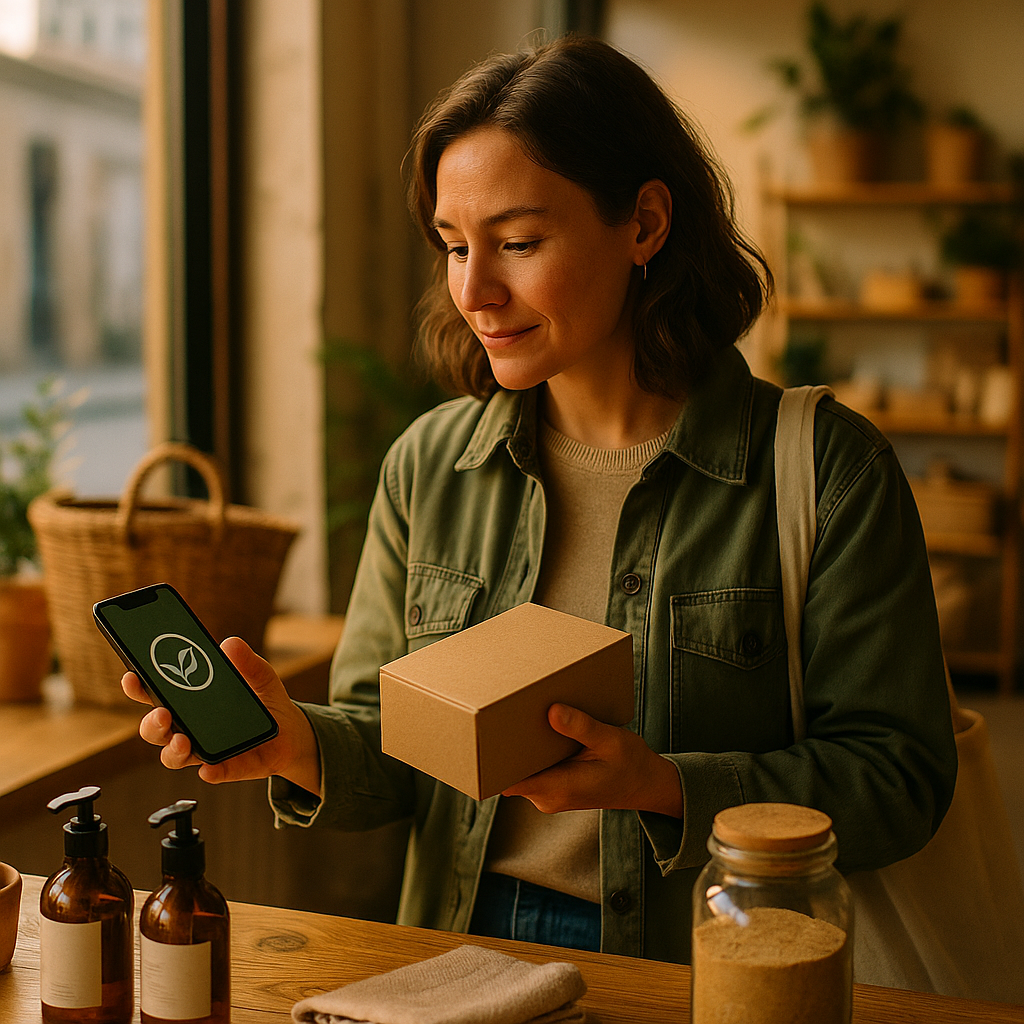
In 2025, shoppers are rewriting the rules of buying. Instead of chasing logos and limited drops, they increasingly ask what a product stands for, how it’s made, and whether it improves daily life. This shift toward meaning first consumerism is reshaping brands, marketing, and loyalty. The hype machine still exists, but it’s losing its grip—so what’s replacing it?
Meaning first consumerism: what it is and why it’s accelerating
Meaning first consumerism describes a buying mindset where people prioritize personal relevance, durability, ethics, and real utility over trend status. It isn’t “anti-shopping.” It’s selective shopping, guided by values and lived experience. You can see it in the growth of repair culture, the popularity of verified resale, and the way consumers now interrogate claims like “clean,” “sustainable,” or “premium.”
Several forces accelerate the shift:
- Budget realism: Consumers are more cost-aware and less willing to pay a “story premium” without proof. They still spend, but they demand justification.
- Information access: Ingredient lists, labor reporting, third-party certifications, and community reviews make it easier to validate (or debunk) brand narratives.
- Fatigue with performative branding: People increasingly separate values from marketing slogans and look for evidence in sourcing, materials, and service policies.
- Identity maturity: More consumers want purchases to support who they are and what they do, not who they want to appear to be for a moment.
For brands, this means your product must hold up under scrutiny. For consumers, it means fewer impulse buys and more intentional upgrades. The biggest change is simple: meaning is no longer a campaign theme—it’s the standard shoppers use to judge whether you deserve their money.
Decline of hype culture: why scarcity and virality aren’t enough
The decline of hype culture doesn’t mean people stopped enjoying newness. It means the old formula—limited supply, influencer amplification, and fast scarcity-driven decisions—no longer guarantees loyalty. Viral moments still move units, but the aftertaste matters more. If the product disappoints, consumers punish brands quickly with returns, negative reviews, and social call-outs.
Key reasons hype is losing power:
- Overexposure: Every category now has “drops,” “collabs,” and “exclusive” releases. When everything is special, nothing is.
- Trust erosion: Undisclosed sponsorships, edited results, and inflated testimonials trained audiences to be skeptical.
- Post-purchase accountability: Consumers share long-term wear tests, ingredient reactions, and service experiences, making “first impression marketing” less effective.
- Convenience backlash: Fast shipping and cheap production created expectations—then produced waste, quality issues, and guilt. Many consumers now prefer fewer items that last.
In 2025, the real contest is not attention—it’s credibility over time. A brand can still spark excitement, but it must back it up with product performance, transparent practices, and consistent customer care. Otherwise, hype becomes a short-term spike followed by long-term distrust.
Values-based purchasing: what consumers now demand from brands
Values-based purchasing has evolved from niche to mainstream. Shoppers increasingly expect brands to communicate clearly, prove claims, and take responsibility for outcomes. That does not mean every shopper shares the same values. It means they want alignment with their priorities—health, sustainability, local production, fair labor, animal welfare, inclusivity, privacy, or craftsmanship.
What consumers commonly look for now:
- Proof instead of promises: Certifications, lab testing, life-cycle assessments, and material traceability matter more than vague “eco” language.
- Quality signals: Repairability, warranty length, spare parts availability, and care instructions signal seriousness.
- Transparent pricing logic: People respond well when brands explain what drives cost: materials, labor, logistics, and service.
- Customer-first policies: Clear returns, responsive support, and honest product limitations increase trust more than glossy ads.
Consumers also ask follow-up questions that brands must be ready to answer in plain language:
- Where is it made, and by whom? Share factory standards, audits, and worker protections without hiding behind “proprietary.”
- What exactly makes it better? Explain performance benefits with measurable claims, not adjectives.
- How long should it last? Give realistic durability expectations, and support them with warranty and repair options.
- What happens at end of life? Offer take-back, recycling guidance, or resale support where feasible.
When brands meet these expectations, they earn something more durable than attention: confidence. That confidence is the foundation of meaning-first loyalty.
Authentic branding: how to build trust with EEAT, not theatrics
Authentic branding in 2025 is operational, not performative. Google’s helpful content and EEAT principles (experience, expertise, authoritativeness, trust) align with what consumers want: evidence, clarity, and accountability. To win in meaning-first markets, brands should treat EEAT as a business practice, not only an SEO tactic.
Practical ways to apply EEAT:
- Show real experience: Publish product development stories, field tests, and user feedback loops. Include what you changed and why.
- Demonstrate expertise: In health, beauty, food, and supplements, use qualified reviewers (e.g., pharmacists, registered dietitians, cosmetic chemists). In technical categories, cite standards and testing methods.
- Build authoritativeness: Earn third-party validation through credible certifications, peer-reviewed research where relevant, and reputable media coverage that focuses on substance.
- Maximize trust: Make policies easy to find, disclose partnerships, label sponsored content, and avoid absolute claims unless you can substantiate them.
Consumers now also evaluate brands by how they behave when something goes wrong. A transparent recall, an honest explanation of a defect, and a fair remedy can increase trust. By contrast, hiding negative reviews, using misleading before-and-after images, or burying policy details signals that the brand is built on theatrics.
To answer the question many marketing teams ask—“Can we still tell stories?”—yes. But the story must be anchored to verifiable reality: what the product does, how it’s made, and what you will do if it fails.
Sustainable consumption: repair, resale, and the new status of longevity
Sustainable consumption is increasingly expressed through behavior, not just beliefs: buying less, buying better, and keeping items in use longer. Longevity has become a new form of status—subtle, practical, and increasingly admired. A well-maintained jacket, a refurbished laptop, or a refillable skincare routine signals competence and restraint rather than deprivation.
Three meaning-first behaviors are reshaping categories:
- Repair: Consumers seek products designed to be fixed. Brands that offer spare parts, repair guides, and service partners reduce waste and increase loyalty.
- Resale: Verified resale marketplaces and brand-run recommerce programs help consumers manage cost while extending product life. Brands benefit by keeping customers in their ecosystem.
- Refill and reuse: Refill pods, concentrates, and durable packaging appeal when they are convenient and genuinely cost-effective, not complicated rituals.
Many shoppers now ask a practical follow-up: “Is sustainability worth it if it costs more?” The best answer is to reframe value around total cost of ownership. A product that lasts twice as long, can be repaired, and retains resale value may cost more upfront but less over time. Brands that quantify this—through durability testing, warranties, and transparent pricing—make sustainability feel like a smart decision, not a moral tax.
Another shift: consumers increasingly expect brands to avoid false trade-offs. A “green” product that performs poorly will not survive. Meaning-first buyers want both: lower impact and high performance.
Community-led marketing: how brands earn advocacy without chasing trends
Community-led marketing replaces hype with relationships. Instead of building demand through artificial scarcity, brands build belonging through consistent value, responsiveness, and shared identity. This does not mean handing strategy to the loudest voices; it means creating structured ways for real customers to shape the product and the message.
What works in 2025:
- Credible creators over celebrity reach: Smaller, expertise-driven creators often produce higher trust because their audiences expect nuance, not slogans.
- Customer councils and beta groups: Invite users to test prototypes, review changes, and influence features. Publish what you learned.
- Education-first content: Buying guides, care tutorials, comparison charts, and maintenance tips help people make better choices and reduce returns.
- Two-way service visibility: Publicly answer common support questions, document fixes, and share updated policies when patterns emerge.
A frequent concern is whether community focus slows growth. In practice, it can speed it up by reducing acquisition costs and increasing retention. Advocates do not just recommend; they also defend the brand when criticism is unfair, because they trust the brand’s behavior. That kind of resilience is difficult to buy with ad spend.
To keep community-led marketing honest, brands should set boundaries: disclose incentives, separate customer feedback from paid endorsements, and measure success with retention, repeat purchase rate, and satisfaction—not only impressions.
FAQs
What is meaning first consumerism in simple terms?
It’s a buying approach where people prioritize products that fit their values and real needs—quality, usefulness, ethics, and longevity—over trends, status, or viral hype.
Is hype marketing dead in 2025?
No. Hype can still create short-term demand, but it’s less reliable for building loyalty. Consumers now verify claims through reviews, third-party proof, and post-purchase experience, so brands need substance behind the excitement.
How can a brand prove it’s authentic without sounding preachy?
Use clear evidence: certifications, test results, transparent sourcing, honest limitations, and strong service policies. Explain decisions in plain language and show improvements over time based on customer feedback.
What matters more to meaning-first buyers: sustainability or price?
Most weigh both. They often accept higher upfront cost when the product lasts longer, can be repaired, or holds resale value. Total cost of ownership and performance are key deciding factors.
How should companies adjust SEO content for meaning-first consumers?
Publish helpful, experience-based content: comparisons, care guides, durability details, ingredient explanations, and transparent FAQs. Add credible sources, qualified reviewers where relevant, and make policies easy to find to strengthen trust.
What are the quickest signs a brand is still relying on hype?
Overuse of “limited,” “exclusive,” and vague superlatives; unclear product specifications; hidden sponsorships; weak warranties; and evasive answers about sourcing, testing, or customer support.
Meaning-first buying is defining consumer behavior in 2025: people want proof, performance, and values they can live with, not temporary excitement. Hype still creates buzz, but it can’t compensate for low quality or weak accountability. Brands that build trust through transparency, durability, and community relationships earn longer loyalty and lower churn. The takeaway is straightforward: make products worth keeping, and market them with evidence.