


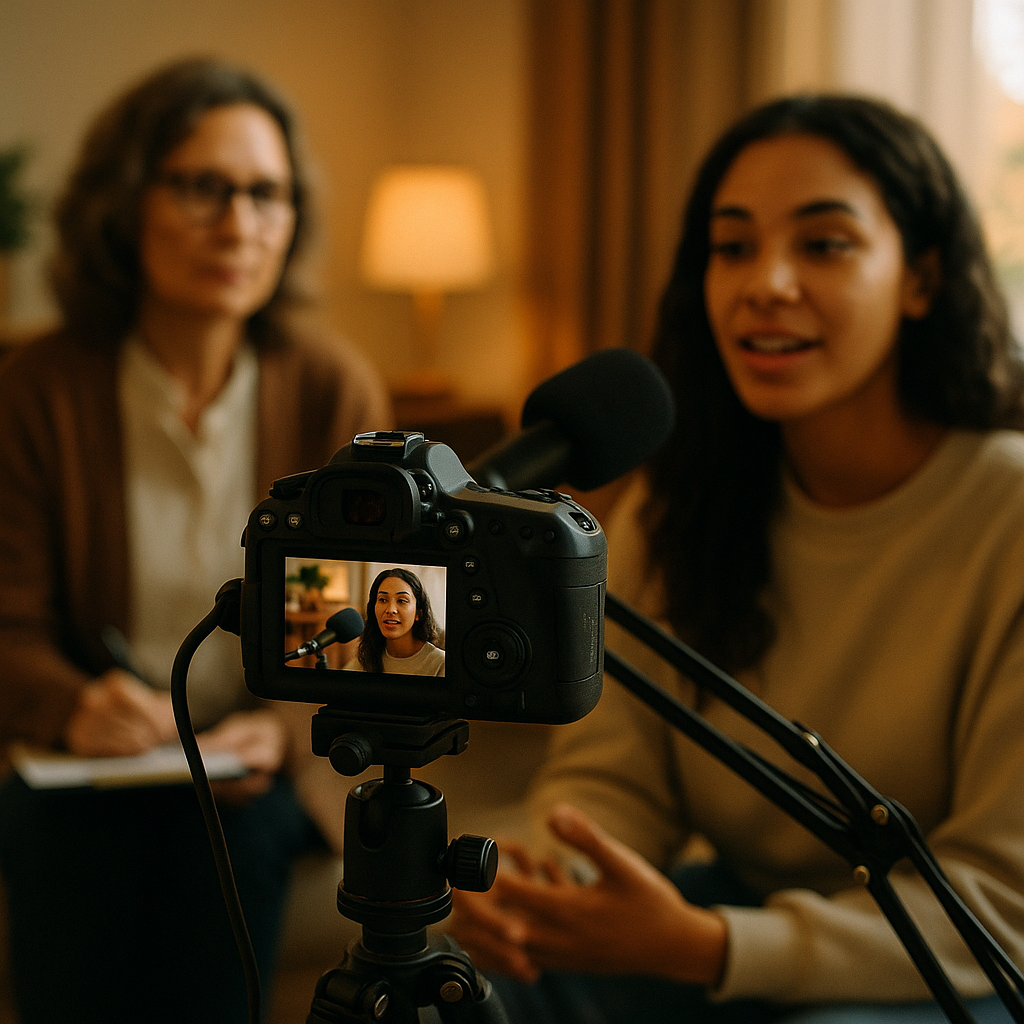
Mental health apps are transforming how people access support, breaking stigma by making therapy more approachable online. By harnessing the influence of digital creators, these platforms normalize mental health conversations and offer innovative ways to connect with help. Are creators the future bridge to more inclusive, accessible mental health care? Discover how their content empowers users and destigmatizes therapy.
How Creators are Shaping Mental Health Conversations Online
Creators on platforms like TikTok, Instagram, and YouTube have become pivotal voices in mental health advocacy. According to a 2025 Pew Research Center survey, over 68% of young adults turn to online creators for information about emotional well-being. These creators share their personal journeys, coping strategies, and therapeutic insights, demystifying therapy and encouraging open dialogue.
This trend has inspired the rise of mental health apps that invite licensed therapists and popular creators to collaborate. By leveraging relatable storytelling and lived experiences, apps harness the trust creators have built with their audiences. As a result, users feel more comfortable seeking support, perceiving therapy as both accessible and culturally relevant. Social media’s reach ensures that even those hesitant about traditional therapy can explore mental health resources privately and judgment-free.
Destigmatizing Therapy: The Role of Mental Health Apps
Historically, mental health carried a stigma that deterred many from seeking help. Today’s mental health apps partner with creators to dismantle these old barriers. Through design that emphasizes user anonymity, confidentiality, and self-paced learning, apps foster an environment where therapy feels safe and routine.
- Interactive features such as mood trackers, live Q&A sessions, and community forums connect users with relatable content.
- Educational resources curated by both therapists and influential creators help users understand mental health topics without prejudice.
- Push notifications personalized with inspiring creator quotes further integrate mental health into daily routines.
By amplifying creators’ voices, these apps challenge stereotypes, presenting therapy as a proactive aspect of overall health. Anonymity tools, coupled with the normalization of therapy in creator content, reduce fear and embarrassment for first-time users.
How Digital Creators Make Therapy More Accessible
Access to therapy remains an obstacle for many, due to cost, geography, or social concerns. Mental health apps with creator integrations are closing this gap. They allow users to explore therapeutic advice openly and affordably, often at zero or low cost.
Creators offer approachable content in multiple formats—video, stories, podcasts—so users can consume information in whatever way feels most comfortable. Some apps partner with therapists who double as creators, ensuring that accurate, evidence-based guidance reaches a wider demographic. Additionally, creators share culturally-specific experiences and multilingual resources, making therapy more inclusive for diverse populations.
Features such as:
- Live sessions hosted by creators and licensed therapists,
- On-demand video courses on anxiety, self-care, or stress management,
- Peer support communities moderated by experts
break down traditional barriers, ensuring help is always within reach. In 2025, apps are also piloting AI tools developed alongside content creators, personalizing advice even further based on user engagement.
The Benefits and Limits of Creator-Led Therapy Initiatives
Collaborating with creators brings unique benefits, but also warrants careful consideration. On the positive side, users feel less isolated and more understood by seeing their favorite creators discuss struggles similar to their own. Creator-therapists can bridge clinical expertise and relatable communication, supporting evidence-based self-help. Data from the American Psychological Association in 2025 shows a 34% increase in therapy sign-ups from users exposed to creator-led campaigns.
However, caution is needed. Not all creators have clinical backgrounds, and misinformation can spread if apps lack robust vetting. The best mental health apps follow Google’s EEAT guidelines—Experience, Expertise, Authoritativeness, and Trustworthiness—by verifying creators’ qualifications and providing easy access to licensed professionals when users require more than peer support or self-help content.
Critical features such as clear disclaimers, emergency resources, and the encouragement for professional intervention are essential for risk mitigation. Mental health apps that balance creator engagement with clinical oversight ensure a safe, empowering experience for every user.
Real Stories: Successes in Destigmatizing Therapy Through Digital Creators
Hundreds of users have shared their success stories tied to mental health apps and creators. For instance, a 2025 in-app survey from MindfulSpace reported that 81% of users felt “less ashamed” about seeking help after watching creator-led content. One user recounted discovering therapy options for the first time through a creator’s candid video about overcoming anxiety.
Creators acting as mental health advocates bring diverse perspectives to their audiences. Whether discussing grief, cultural stigma, or daily stressors, their authenticity helps demystify therapy and encourage more proactive mental health care. The ripple effect extends beyond online platforms—users report increased conversations about mental health in their families, workplaces, and communities.
Such stories reinforce the importance of positive creator involvement in destigmatizing therapy and illustrate the power of community-led online support.
Choosing the Right Mental Health App Featuring Creators
With the growing choice of mental health apps, it’s critical to select platforms that prioritize user safety and accurate content. Look for apps that:
- Verify creator qualifications and highlight licensed experts.
- Offer clear distinctions between creator advice and clinical therapy.
- Include tools for privacy, anonymous participation, and crisis support.
- Maintain regular updates and moderation of forums and content.
Reading user reviews and checking each app’s educational partnerships can also help you make informed decisions. Choose platforms that reflect your cultural and language needs, ensuring all users can benefit from creator-led mental health innovation in 2025.
FAQs: Mental Health Apps and Therapy Creators
-
Are mental health apps as effective as traditional therapy?
Apps offer self-help tools, psychoeducation, and peer support that can supplement traditional therapy, especially when guided by verified professionals. However, complex cases may require direct intervention from licensed therapists.
-
How do creators qualify to give mental health advice on apps?
Top apps vet creators by reviewing credentials, partnerships, and content for accuracy. Many feature professionals with clinical qualifications, while others promote lived-experience stories paired with expert oversight.
-
What should I do if a creator’s advice doesn’t help me?
If advice feels unhelpful or distressing, seek direct support from a licensed therapist within the app or through crisis lines. Always prioritize your well-being and trust your instincts when evaluating guidance.
-
Can I remain anonymous while using mental health apps?
Yes. Most mental health apps feature robust privacy settings, allowing users to participate in forums or watch content anonymously. This encourages engagement without fear of stigma or unwanted exposure.
-
Will my data be safe on mental health apps?
Reputable apps invest in data encryption and comply with privacy regulations. Check each app’s privacy policy and reviews for assurance before signing up or sharing personal information.
Mental health apps that spotlight digital creators are redefining access and attitudes toward therapy. By combining relatable content, clinical oversight, and inclusive resources, these platforms make mental health support welcoming to all. Embrace creator-led innovation—take your first step towards well-being through informed engagement and open conversation.