


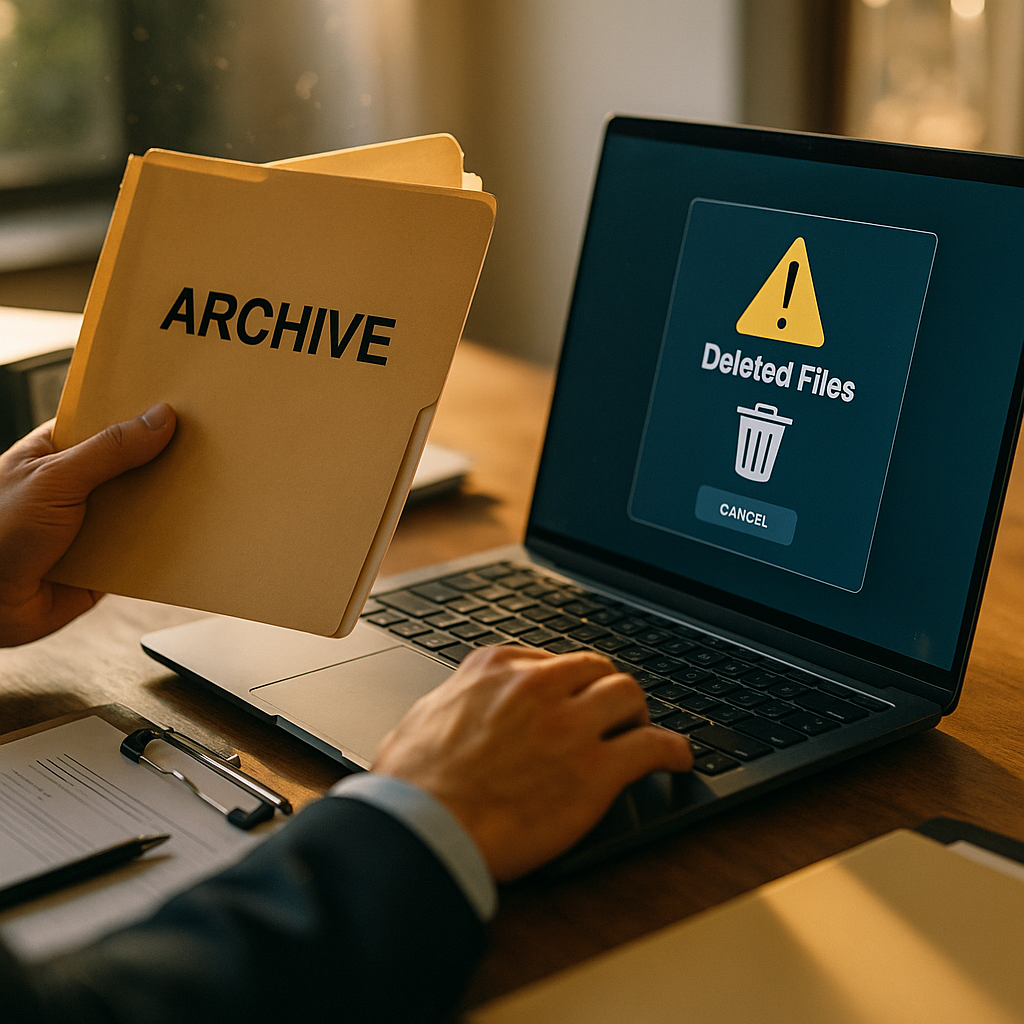
Clear contractual handling of deleted posts and archiving is crucial for businesses, influencers, and platform owners alike. The nuances of digital content management are changing swiftly, making robust contractual clauses more important every day. Understanding your legal and operational obligations around content removal and data storage ensures compliance and trust—are your contracts truly fit for the digital age?
Defining Content Lifecycle: Why Contractual Clauses on Post Deletion Matter
With user-generated content at the heart of many digital platforms, knowing how to handle deleted posts is a core business priority. Contractual agreements must define the content lifecycle from creation to deletion and beyond. Failing to address these stages can leave digital operations exposed to legal, reputational, and regulatory risks. For example, parties should agree on:
- Who holds the final authority to delete content
- How deletion requests are verified and processed
- What “deletion” truly entails: permanent erasure or temporary removal
Effective wording can prevent disputes, particularly where user rights or regulatory compliance like GDPR intersect with business practices.
Archiving Policies in Contracts: Safeguarding Content and Compliance
When content is deleted, how and where it is archived becomes critical. Archiving policies within contracts ensure proper records management, beneficial for audits, disputes, or data recovery. In 2025, many industries face increasingly strict document retention rules, mandating secure, accessible storage for deleted or modified posts. Clauses should specify:
- Duration and format of archived data
- Access controls and permitted uses of archived materials
- Automated archiving versus manual archiving workflows
This contractual clarity guards against data loss and helps satisfy evolving regulatory requirements, especially with global data privacy laws tightening year by year.
Transparency and User Rights: Meeting Regulatory and Ethical Standards
Today’s users expect transparency regarding how their posts are managed after deletion. User rights around content deletion and archiving must be outlined contractually to enhance platform trustworthiness and legal defensibility. Well drafted clauses should cover:
- Notice periods for deletions and archiving
- Mechanisms for users to access or retrieve deleted content
- Clear explanations of what archived versus deleted actually means
With consumer awareness at an all-time high, regulatory bodies readily investigate opaque digital practices. Proactive contractual commitments to transparency are not only good business; they are often a legal requirement.
Enforcing Deleted Posts Procedures: Roles, Responsibilities, and Best Practices
Effective deleted post procedures define who does what, when, and how deletion and archiving are processed. Assign clear responsibilities within contracts to content owners, platform administrators, technology providers, and users. Essential best practices include:
- Documenting each step of the deletion process
- Automating confirmations and audit trails for all deletion activity
- Conducting regular compliance checks and periodic contract reviews
This disciplined approach reduces operational confusion and enhances defense if a contractual or regulatory conflict arises. Ensuring everyone knows their role is crucial for accuracy and accountability.
Mitigating Risks: Balancing Business Needs and Legal Obligations
Contractual handling of deleted posts and archiving must balance operational flexibility with legal obligations. Potential legal risks include privacy breaches, non-compliance with data protection laws, or failing to produce archived records upon request. Mitigate these threats by:
- Aligning retention periods with statutory requirements
- Specifying both business-driven and legal-driven deletion and archiving triggers
- Including indemnification and liability provisions directly tied to mishandling of deleted or archived content
Review contracts annually to reflect changes in the law and the evolving threat landscape—what protected you yesterday may not suffice today.
Integrating Technology: Automation and Documentation in Contractual Handling
Rapid technological advances in 2025 have revolutionized how organizations handle deleted and archived posts. Modern automation solutions allow automatic enforcement of deletion and archiving clauses, minimizing human error. Contracts should:
- Mandate implementation of reliable content management systems (CMS)
- Require detailed logging and timestamping of all content-related activity
- Set criteria for periodic system audits and software updates
This forward-looking integration of technology aligns contracts with state-of-the-art operational practices, ensuring content management is robust, scalable, and traceable.
In summary, robust, clear, and up-to-date contractual handling of deleted posts and archiving is non-negotiable for digital businesses in 2025. Proper agreements enable organizations to meet legal obligations, satisfy user expectations, and securely manage digital content amid rapid regulatory and technological change.
FAQs: Contractual Handling of Deleted Posts and Archiving
-
Why should contracts address post deletion and archiving?
Contracts set out rights, responsibilities, and compliance obligations, preventing disputes and ensuring trust in content management practices. -
Are deleted posts ever truly erased?
Not always—contracts should clarify if deletion means permanent erasure or simply removal from public view, and define archiving procedures for backups or legal logs. -
What legal requirements affect deleted post handling in 2025?
Data privacy regulations, industry retention mandates, and user rights laws now require strict transparency, audit trails, and defined retention periods for digital content. -
How does automation help with contractual content management?
Automation ensures compliance by logging each deletion/archival event, reducing errors, and enabling easy audits—essential for meeting contractual and regulatory standards. -
Who should review these contract clauses regularly?
Legal and compliance teams, IT departments, and relevant business managers should jointly review and update content lifecycle clauses to remain compliant and effective.