


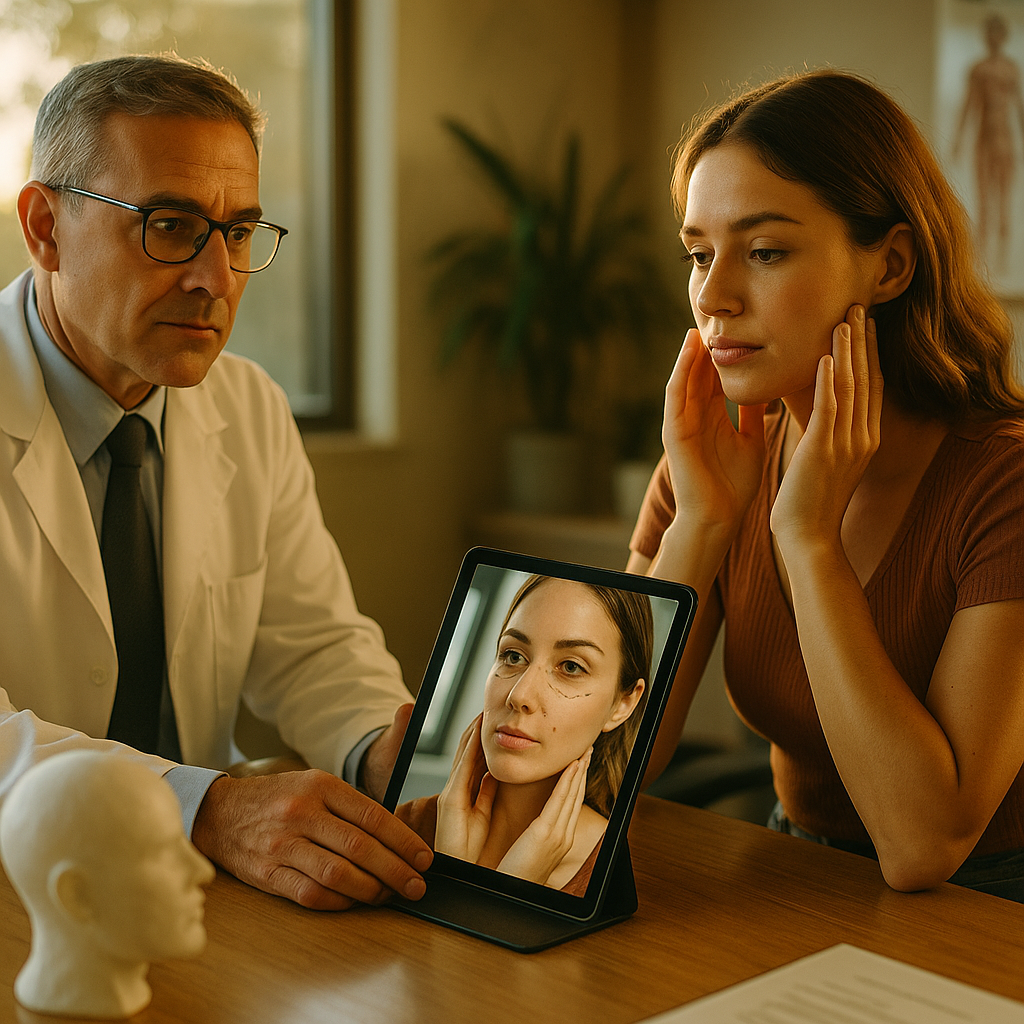
Plastic surgery: ethical marketing with patient journeys is essential for building trust and fostering informed choices. As digital awareness rises in 2025, clinics must combine transparency with genuine storytelling to connect with prospective patients. Read on to discover strategies, risks, and best practices for ethically showcasing patient transformations—while safeguarding integrity and compliance.
Navigating Patient Trust: Why Ethical Advertising in Plastic Surgery Matters
Trust is the currency of successful plastic surgery marketing. Invasive procedures demand transparency, empathy, and clear communication. Unethical or manipulated marketing can harm patients, damage reputations, and attract regulatory action. Clinics that prioritize ethical marketing maintain compliance with regional guidelines, protect patient well-being, and earn community respect, especially when leveraging patient stories in a sensitive manner.
Today, many patients deeply research clinics and surgeons online before making contact. According to a 2024 survey by the American Society of Plastic Surgeons, over 75% of first-time patients consult other patients’ reviews and before-and-after images on clinics’ official channels. These interactions justify the importance of promoting authentic, ethically sourced patient journeys.
Showcasing Real Patient Journeys: The Power of Authenticity
Highlighting real patient journeys is a cornerstone of ethical plastic surgery marketing. Authentic testimonies and imagery create relatable narratives that guide new patients through the transformation process. However, authenticity mandates informed consent, privacy protection, and truthfulness in presentation.
- Informed Consent: Always obtain explicit, ideally written, permission from patients before sharing photographs or stories. Discuss how and where these will appear, including social media and clinic websites.
- Diversity & Representation: Feature a range of patient backgrounds, ages, and outcomes. This ensures inclusivity and builds confidence in all visitor demographics.
- Accurate Outcomes: Avoid altered images, exaggerated claims, or staged results. Brief patients on real expectations to prevent disappointment and consumer harm.
When clinics center the patient’s voice and journey, prospective patients perceive the information as more credible and actionable.
Legal Considerations & Compliance: Staying on the Right Side of Regulations
Legal compliance in plastic surgery marketing is non-negotiable. Across North America and Europe, regulators have enacted strict guidelines on how patient journeys can be promoted. Failure to comply can result in fines, suspensions, or loss of medical licenses.
- Data Privacy: Adhere to local privacy laws, such as HIPAA in the US or GDPR in Europe, when sharing patient data, images, or stories. Always anonymize or seek explicit consent for any identifying information.
- Claims & Results: Avoid promising specific outcomes or using superlative language that could be construed as misleading. Instead, promote realistic, evidence-backed expectations.
- Testimonial Use: Laws often regulate how testimonials can be used—only genuine, unedited experiences should appear in marketing materials, with dates and context provided for transparency.
By integrating legal best practices, clinics secure both patient trust and their own operational continuity.
Building EEAT with Transparent Patient Stories
Google’s EEAT (Experience, Expertise, Authoritativeness, and Trustworthiness) framework is now vital for online medical visibility. Featuring patient journeys allows clinics to showcase real-life expertise and bolster their authority. Yet, the content must be handled with utmost transparency.
- Detailed Narratives: Encourage patients to share not just their results, but also their motivations, challenges, and post-operative experiences. This holistic view supports informed decision-making.
- Medical Oversight: Include commentary from the physician or clinical team to clarify complex details, set expectations, and demonstrate professional oversight.
- Updates & Follow-Ups: Regularly update stories with long-term progress to reinforce lasting satisfaction and address ongoing recovery factors prospective patients seek.
By following EEAT principles, clinics can resonate with both search algorithms and real users, promoting ethical, high-quality patient journeys.
Managing Risks: Ethical Pitfalls in Showcasing Transformations
While ethical marketing with patient journeys builds trust, it also presents risks. Poorly managed content can trigger complaints or even legal action. Common pitfalls to avoid include:
- Over-Promising Results: Testimonials and photos should avoid suggesting guaranteed outcomes or minimizing recovery periods.
- Patient Exploitation: Never pressure patients to share stories. Participation must be voluntary, with the right to withdraw at any time.
- Selective Showcasing: If only the most dramatic results are displayed, it misrepresents the typical patient experience. Balance every gallery with average cases and notes about individual variation.
- Lack of Context: Always provide context about surgical procedures, risks, and aftercare to help readers appreciate the full journey, not just the aesthetics of the result.
Clinics should develop and regularly review internal guidelines for content approval, involving ethics committees or legal advisors as needed.
Practical Steps: How to Ethically Market with Patient Journeys
Putting ethical marketing into practice requires clinics to establish robust workflows. Here’s a step-by-step approach:
- Educate Your Team: Train all staff, from front desk to surgeons, on the importance of privacy and ethical storytelling.
- Consent Management: Use detailed, standardized consent forms covering all media and platforms. Store consents alongside the patient’s clinical record.
- Story Development: Work with patients to draft authentic narratives. Review drafts together to ensure accuracy and comfort with the level of detail shared.
- Fact-Checking: Check all content, including images, for compliance with advertising standards and medical accuracy before publishing.
- Feedback Process: Allow patients to revise or retract their content at any point. Conduct satisfaction surveys to refine your approach over time.
With this structured process, clinics merge marketing with responsibility, ensuring each patient journey is celebrated without compromise.
In summary, ethical marketing in plastic surgery powered by genuine patient journeys nurtures trust, supports compliance, and distinguishes reputable clinics in a competitive landscape. Integrity and transparency are essential—prioritize these values in all patient-facing content to ensure both business success and patient well-being.
FAQs: Plastic Surgery, Ethical Marketing & Patient Journeys
-
How can clinics ensure ethical consent for sharing patient stories?
Obtain explicit, written consent via standardized forms. Clearly explain how, where, and for how long stories or images will be shared. Always honor patient requests for removal or anonymity.
-
Is it ethical to use paid influencers for plastic surgery promotions?
While influencer partnerships are allowed, all posts must be transparently labeled as sponsored. Influencers should authentically disclose their experiences, and clinics should comply with advertising standards at all times.
-
Are before-and-after photos still recommended in 2025?
Yes, if handled ethically. Photos must be unaltered, clearly labeled, and reflect a range of results—not just exceptional or dramatic transformations. Written consent and privacy measures are mandatory.
-
What makes a patient journey story trustworthy?
Transparency, factual detail, evidence of consent, and honest description of both benefits and challenges. Including commentary from medical staff enhances authenticity.
-
How does ethical marketing impact clinic reputation?
Ethical marketing demonstrates responsibility, builds long-term trust with patients, and reduces compliance risks. This strengthens a clinic’s reputation and increases patient referrals.