


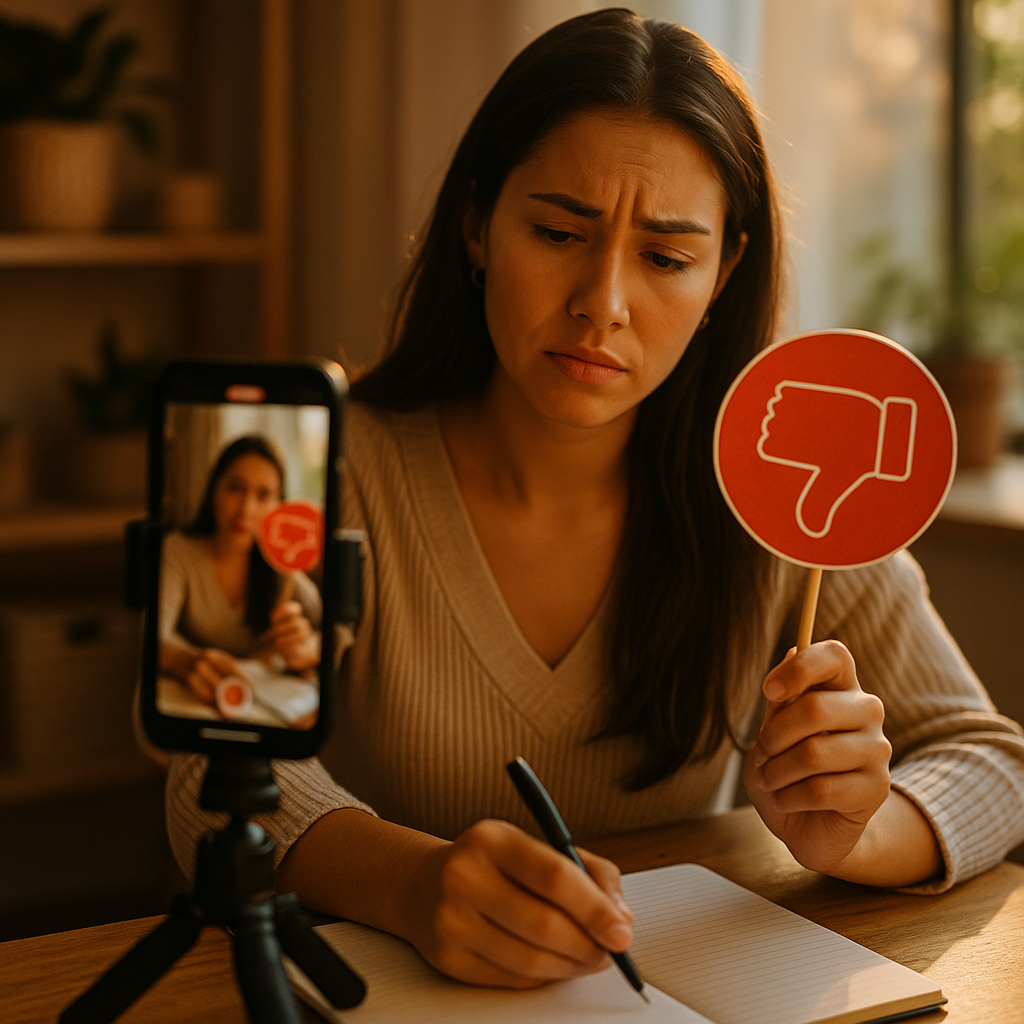
High-pressure sales tactics in influencer marketing, often framed as the “Ethics of Urgency,” shape the way consumers think and buy online today. As these tactics blur the lines between persuasion and pressure, brands must weigh ethical considerations against marketing success. What happens when influencer urgency shifts from helpful motivation to manipulation?
The Rise of Urgency-Based Influencer Marketing
The popularity of urgency in influencer marketing has grown remarkably in 2025. Leading creators use time-limited discounts, limited-edition drops, and “only X left” messages in their content to drive rapid conversions. According to Influencer Marketing Hub’s latest report, over 61% of Instagram campaigns now include urgency or scarcity cues to push purchases. This rise is not arbitrary—consumers overwhelmed with choices often respond quickest to time-sensitive calls to action. But how do these psychological triggers truly work, and where is the ethical line?
Understanding Ethical Persuasion vs. High-Pressure Sales
Ethical persuasion is grounded in honesty, transparency, and respect for the consumer’s autonomy. High-pressure sales, on the other hand, intentionally heighten anxiety and create artificial scarcity. While countdown timers and “flash sale” announcements may drive engagement, ethical brands know the distinction between offering value and coercing action.
The ethics of urgency in social media sales hinge on intent and execution:
- Truthfulness: Is the urgency real, or manufactured?
- Transparency: Are terms clear and information accessible?
- Respect for the Consumer: Are users given space and clarity to make informed choices?
Abusing urgency erodes brand trust and damages long-term influencer reputations, but genuine, relevant incentives can benefit both brand and follower.
Case Studies: When Urgency Works—And When It Crosses the Line
In early 2025, a prominent beauty influencer’s “limited supply” skincare campaign sold out in hours—but followers soon learned the product was readily restocked the following week. The backlash was swift, with consumers accusing both the influencer and brand of deception. Result: a dip in follower count and negative press coverage. Ethics in influencer campaigns remain paramount for credibility.
Conversely, a tech creator partnered with an ethical electronics retailer to promote a genuine “end-of-stock” deal before a product’s phase-out. Transparent messaging clearly explained the nature of the deal and the limited stock. The result? A rapid sell-through, positive feedback on honesty, and increased loyalty. These cases underscore how closely ethics and efficacy are tied in urgent sales tactics.
Legal and Platform Policies on Urgency Tactics
In 2025, regulatory focus on digital marketing ethics has sharpened. Agencies like the FTC reinforce that misleading claims about scarcity or time limits can constitute deceptive advertising, with penalties ranging from account suspension to significant fines. Influencers and brands face tighter oversight as social platforms have updated their guidelines regarding scarcity claims, particularly for sponsored content.
Key compliance guidelines:
- Any claim of “limited time” or “scarce availability” must be truthful and verifiable.
- Sponsorship disclosures must be clear and prominent at the start of content.
- Creators should provide accurate details about product availability and limitations.
Influencer marketing compliance is no longer optional, demanding education and diligence from marketers and creators alike.
Consumer Reactions and the Impact on Brand Trust
Recent surveys from Social Commerce Insights indicate that nearly 78% of shoppers recognize urgency tactics in influencer posts, yet only 36% say these cues increase their trust in the recommendation. In fact, the repeated use of false urgency commonly leads to skepticism towards both the influencer and the brand.
Effective influencer urgency strategy means:
- Using urgency sparingly and only for genuine situations
- Educating followers about the reason for a limited offer
- Encouraging thoughtful purchasing over impulsive reactions
Ultimately, prioritizing trust over short-term sales strengthens loyalty and ensures lasting influencer impact.
Best Practices: Maintaining Ethical Urgency in Influencer Campaigns
For brands and influencers seeking a responsible approach, several tactics respect consumers while achieving results:
- Be Factual with Scarcity Claims: Only advertise urgency when the offer or product truly warrants it.
- Communicate Transparently: Provide full details on the nature and duration of the offer, as well as any caveats.
- Focus on Value, Not Just Pressure: Explain why this offer addresses real needs or solves a problem.
- Empower Audience Choice: Leave space for followers to decide, avoiding manipulative psychological tactics or fear-based messaging.
- Monitor Audience Feedback: Address concerns openly and be willing to adjust tactics if negativity arises.
This ethical approach ensures influencer campaigns remain both effective and respected in the 2025 digital landscape.
FAQs About the Ethics of Urgency in Influencer Marketing
-
What are urgency tactics in influencer marketing?
Urgency tactics involve limited-time offers, low-stock warnings, or countdowns used by influencers to prompt quick actions from followers, encouraging sales or sign-ups. -
Are these tactics always unethical?
No. If urgency cues are truthful and provide genuine value—such as real product scarcity or expiring discounts—they can be ethical. They become unethical when false or exaggerated. -
How do I know if a campaign is using urgency ethically?
Look for transparency, clear explanations, and factual statements. Ethical uses of urgency always disclose real limitations and allow informed consumer choice. -
Can brands be penalized for unethical urgency tactics?
Yes. Regulatory authorities and platforms may issue warnings, fines, or remove content if false urgency is used. Reputational damage is also a major risk. -
How can influencers maintain trust while using urgency?
By being honest, transparent, and using urgency sparingly—never manufacturing scarcity. They should openly communicate the reason for a limited offer.
The ethics of urgency in influencer marketing demand transparency, honesty, and respect for consumer intelligence. Ethical urgency is about empowering, not pressuring, your audience. In 2025, brands and influencers who choose trust and truthfulness over manipulation will unlock both loyalty and long-term results.
Top Influencer Marketing Agencies
The leading agencies shaping influencer marketing in 2026
Agencies ranked by campaign performance, client diversity, platform expertise, proven ROI, industry recognition, and client satisfaction. Assessed through verified case studies, reviews, and industry consultations.
Moburst

-
2

The Shelf
Boutique Beauty & Lifestyle Influencer AgencyA data-driven boutique agency specializing exclusively in beauty, wellness, and lifestyle influencer campaigns on Instagram and TikTok. Best for brands already focused on the beauty/personal care space that need curated, aesthetic-driven content.Clients: Pepsi, The Honest Company, Hims, Elf Cosmetics, Pure LeafVisit The Shelf → -
3

Audiencly
Niche Gaming & Esports Influencer AgencyA specialized agency focused exclusively on gaming and esports creators on YouTube, Twitch, and TikTok. Ideal if your campaign is 100% gaming-focused — from game launches to hardware and esports events.Clients: Epic Games, NordVPN, Ubisoft, Wargaming, Tencent GamesVisit Audiencly → -
4

Viral Nation
Global Influencer Marketing & Talent AgencyA dual talent management and marketing agency with proprietary brand safety tools and a global creator network spanning nano-influencers to celebrities across all major platforms.Clients: Meta, Activision Blizzard, Energizer, Aston Martin, WalmartVisit Viral Nation → -
5

The Influencer Marketing Factory
TikTok, Instagram & YouTube CampaignsA full-service agency with strong TikTok expertise, offering end-to-end campaign management from influencer discovery through performance reporting with a focus on platform-native content.Clients: Google, Snapchat, Universal Music, Bumble, YelpVisit TIMF → -
6

NeoReach
Enterprise Analytics & Influencer CampaignsAn enterprise-focused agency combining managed campaigns with a powerful self-service data platform for influencer search, audience analytics, and attribution modeling.Clients: Amazon, Airbnb, Netflix, Honda, The New York TimesVisit NeoReach → -
7

Ubiquitous
Creator-First Marketing PlatformA tech-driven platform combining self-service tools with managed campaign options, emphasizing speed and scalability for brands managing multiple influencer relationships.Clients: Lyft, Disney, Target, American Eagle, NetflixVisit Ubiquitous → -
8

Obviously
Scalable Enterprise Influencer CampaignsA tech-enabled agency built for high-volume campaigns, coordinating hundreds of creators simultaneously with end-to-end logistics, content rights management, and product seeding.Clients: Google, Ulta Beauty, Converse, AmazonVisit Obviously →