


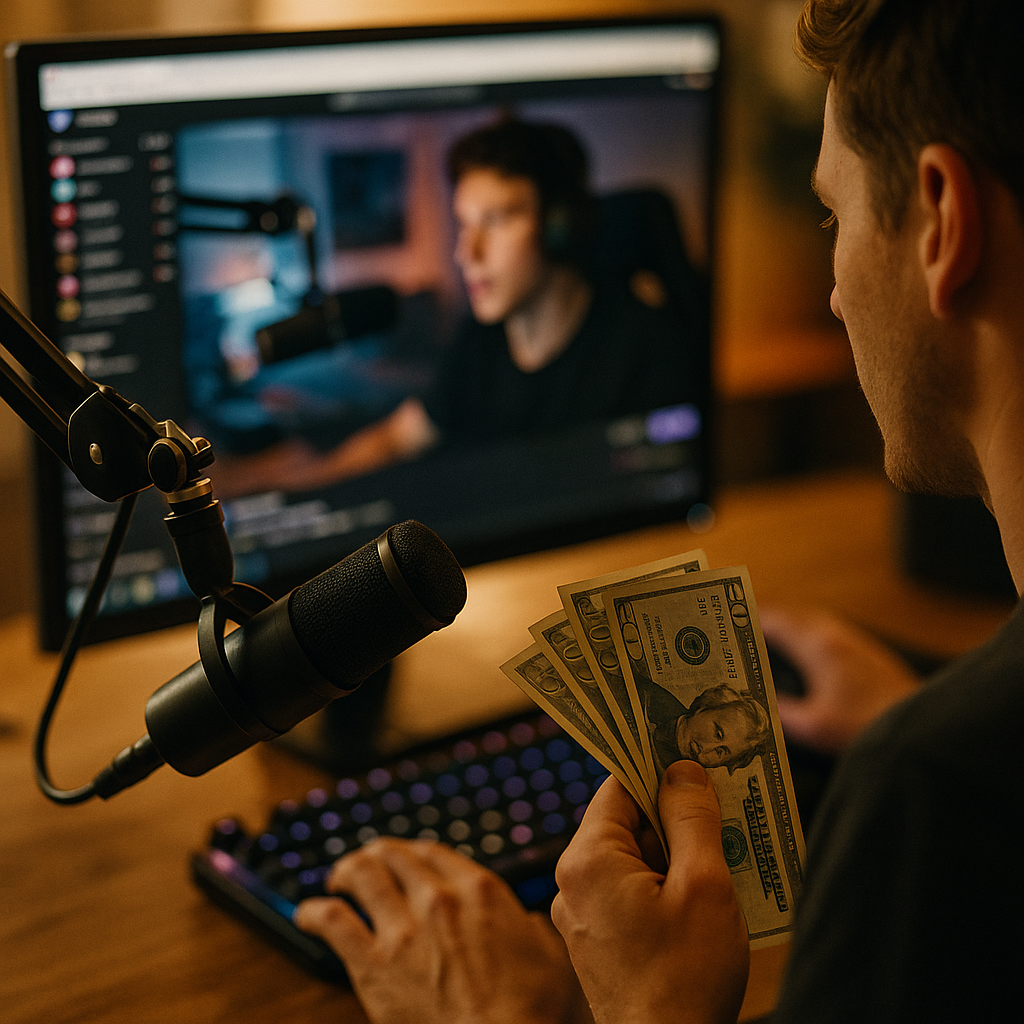
The ethics of virtual gifting and microtransactions in live streams has become a hot topic as more creators rely on digital platforms for income. With the explosive growth of live streaming and viewer-driven support, questions around transparency, consent, and digital well-being have never been more important. Are these monetization tools empowering, manipulative, or something in between? Let’s dive in.
The Rise of Live Streaming and Microtransactions
In 2025, live streaming platforms like Twitch, YouTube Live, and TikTok Live are cultural juggernauts. Their business model increasingly relies on microtransactions—small, frequent purchases by viewers in exchange for virtual gifts or tokens. According to a recent survey by Newzoo, over 70% of live stream viewers have sent virtual gifts at least once in the past year, fueling a multi-billion-dollar industry.
Microtransactions empower viewers to interact with and support their favorite creators directly. Typically, fans purchase digital coins or tokens, then send virtual gifts (like animations, badges, or emoticons) during a creator’s broadcast. These gifts often translate into real-world revenue for the streamer, blurring the lines between entertainment and commerce. But what ethical considerations does this hybrid model introduce?
Transparency and Informed Consent in Digital Gifting
One core ethical concern is transparency. Are viewers fully aware of where their money is going and what they receive in return? Leading platforms have implemented more explicit breakdowns of costs, conversion rates, and the percentage of revenue received by creators. However, a 2024 report from the Digital Trust Foundation found that nearly 40% of viewers still do not understand how much their gifts are really worth to streamers.
Informed consent is crucial. Minors, in particular, may not grasp the value of gifting or the permanence of these transactions, leading to unintentional overspending. Platforms are encouraged to provide clear, age-appropriate disclosures and friction points—such as confirmation prompts or spending limits for younger users. Ensuring financial transparency is not just good practice; it’s central to user trust and ethical business.
Creator-Viewer Relationships: Empowerment or Manipulation?
The inherently interactive nature of live streams means virtual gifting can foster a genuine sense of community and empower creators to earn a living on their terms. Streamers often recognize top tippers, strengthening social bonds and incentivizing further support. For many, this relationship is mutually beneficial, transparent, and respectful.
However, there’s a darker side. Critics argue that some creators—either intentionally or via platform design—leverage psychological triggers to encourage excessive spending. The use of flashy animations, leaderboards, and “limited-time” events can stoke competition or FOMO (fear of missing out). Such tactics walk an ethical tightrope between harmless fun and deliberate manipulation, especially when vulnerable users are involved.
Promoting healthy boundaries, providing educational resources, and minimizing manipulative mechanics should remain a top priority for platforms and creators alike.
The Impact of Virtual Gifting on Digital Well-Being
Microtransactions may look harmless at a glance, but their cumulative effect can significantly impact users’ financial well-being. According to a 2025 analysis by StreamSafe, the average U.S. viewer spent nearly $120 on virtual gifts last year—an increase of 15% compared to the previous 12 months. Some individuals, especially those with addictive tendencies, can lose track of their spending.
Responsible platforms now offer spending dashboards, customizable spending caps, and reminders for at-risk users. Mental health advocacy groups are also pushing for “cool down” periods and financial literacy prompts within apps. These features help users maintain balance, enabling the enjoyment of interactive content without risking economic harm or compulsion.
Legal and Regulatory Considerations Around Microtransactions
With the popularity of live streaming and virtual gifts comes increased scrutiny from regulators. In 2025, several countries have updated or planned to update legislation around digital microtransactions. The primary concerns? Preventing underage spending, combating fraud, and ensuring creators and viewers are protected from predatory practices.
- Age Verification: Platforms are implementing stricter age-gating and parental approval systems to prevent children from making unauthorized purchases.
- Spending Transparency: Regulators require clearer receipt information and refund policies for digital goods.
- Consumer Protections: National consumer agencies are investigating exploitative or deceptive in-app mechanics, targeting practices akin to gambling.
Staying abreast of legal trends is vital. Both content creators and viewers should seek out platforms that comply with regional regulations and place user protection at the forefront of their design choices.
Building a Sustainable and Ethical Digital Economy
Ultimately, the ethics of virtual gifting and microtransactions in live streams are shaped by collective responsibility. Platforms must balance profitability with safeguarding users. Creators should cultivate transparent, authentic relationships with their audiences, eschewing manipulative tactics. Meanwhile, viewers must remain vigilant, informed, and intentional about their digital spending habits.
Education is the cornerstone. By prioritizing digital literacy—making sure users understand what they’re purchasing and the potential consequences—stakeholders create a sustainable, ethical ecosystem where creativity and community can thrive.
In summary, virtual gifting and microtransactions are powerful tools that can strengthen communities or, if misused, exploit vulnerabilities. By championing transparency, digital well-being, and responsible platform design, we can ensure that live streaming remains an ethical, empowering space for all participants.
FAQs: Ethics of Virtual Gifting and Microtransactions in Live Streams
-
Are virtual gifts in live streams considered real money?
Most virtual gifts are purchased with real currency or platform-specific tokens (“coins”) that have a monetary value. While gifts themselves are digital, their purchase involves real financial transactions and can impact users’ personal finances.
-
How much do live streamers actually earn from virtual gifts?
This varies by platform and the specific agreement in place. Streamers typically receive a portion of the total purchase value—often ranging from 30% to 70%—with the rest retained by the platform as revenue.
-
What are the risks for minors when it comes to microtransactions?
Minors may not fully appreciate the value of money or the permanence of their spending. This can lead to unauthorized purchases, accidental overspending, or even exposure to manipulative tactics if adequate safeguards are not implemented.
-
Are there ways to control or limit microtransaction spending on live streaming platforms?
Yes. Many platforms now offer tools to set spending limits, impose session caps, request spending summaries, or even require additional verification for large purchases. Parental controls are also available for younger users.
-
What should I consider before sending a virtual gift?
Understand the real cost, check how much the streamer will receive, and know your own budget. Make sure the platform is reputable and transparent about financial flows. Most importantly, give because you genuinely want to support the creator—not out of peer pressure or manipulation.
Top Influencer Marketing Agencies
The leading agencies shaping influencer marketing in 2026
Agencies ranked by campaign performance, client diversity, platform expertise, proven ROI, industry recognition, and client satisfaction. Assessed through verified case studies, reviews, and industry consultations.
Moburst

-
2

The Shelf
Boutique Beauty & Lifestyle Influencer AgencyA data-driven boutique agency specializing exclusively in beauty, wellness, and lifestyle influencer campaigns on Instagram and TikTok. Best for brands already focused on the beauty/personal care space that need curated, aesthetic-driven content.Clients: Pepsi, The Honest Company, Hims, Elf Cosmetics, Pure LeafVisit The Shelf → -
3

Audiencly
Niche Gaming & Esports Influencer AgencyA specialized agency focused exclusively on gaming and esports creators on YouTube, Twitch, and TikTok. Ideal if your campaign is 100% gaming-focused — from game launches to hardware and esports events.Clients: Epic Games, NordVPN, Ubisoft, Wargaming, Tencent GamesVisit Audiencly → -
4

Viral Nation
Global Influencer Marketing & Talent AgencyA dual talent management and marketing agency with proprietary brand safety tools and a global creator network spanning nano-influencers to celebrities across all major platforms.Clients: Meta, Activision Blizzard, Energizer, Aston Martin, WalmartVisit Viral Nation → -
5

The Influencer Marketing Factory
TikTok, Instagram & YouTube CampaignsA full-service agency with strong TikTok expertise, offering end-to-end campaign management from influencer discovery through performance reporting with a focus on platform-native content.Clients: Google, Snapchat, Universal Music, Bumble, YelpVisit TIMF → -
6

NeoReach
Enterprise Analytics & Influencer CampaignsAn enterprise-focused agency combining managed campaigns with a powerful self-service data platform for influencer search, audience analytics, and attribution modeling.Clients: Amazon, Airbnb, Netflix, Honda, The New York TimesVisit NeoReach → -
7

Ubiquitous
Creator-First Marketing PlatformA tech-driven platform combining self-service tools with managed campaign options, emphasizing speed and scalability for brands managing multiple influencer relationships.Clients: Lyft, Disney, Target, American Eagle, NetflixVisit Ubiquitous → -
8

Obviously
Scalable Enterprise Influencer CampaignsA tech-enabled agency built for high-volume campaigns, coordinating hundreds of creators simultaneously with end-to-end logistics, content rights management, and product seeding.Clients: Google, Ulta Beauty, Converse, AmazonVisit Obviously →