


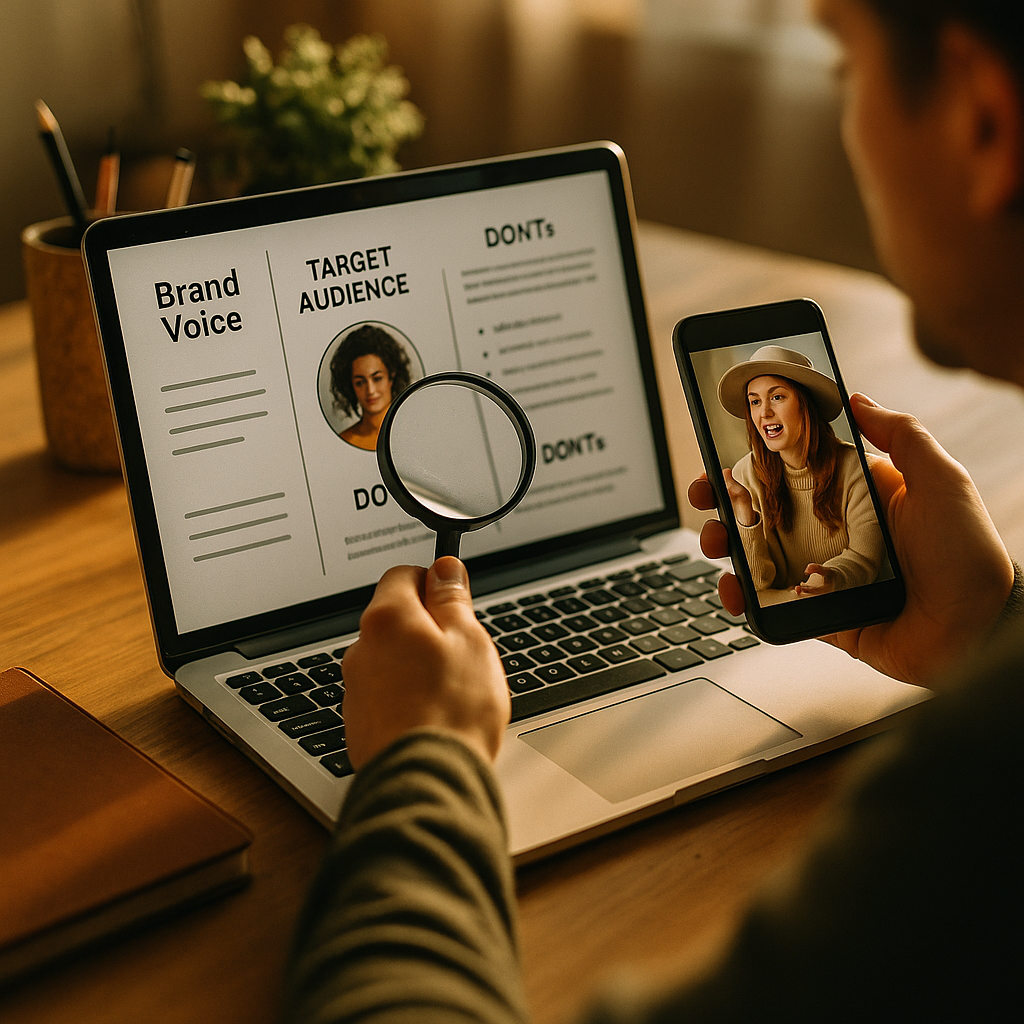
Choosing the right creators is essential for brands aiming to maintain a consistent message. Tools for evaluating creator alignment with brand voice ensure partnerships deliver authentic, impactful campaigns. In 2025, an array of platforms and analytics help marketers make data-driven choices. But what’s the smartest way to assess voice compatibility before you commit? Let’s explore the leading methods and tools.
Content Analysis Platforms: Streamlining Brand Voice Assessment
Content analysis platforms have become indispensable for marketers seeking creator-brand alignment. These tools employ AI-powered technology to scan creators’ content for tone, language, and visual cues. By comparing posts to your brand guidelines, platforms like CreatorIQ and Upfluence generate alignment scores. Marketers quickly identify potential mismatches—saving time and preventing costly missteps.
The effectiveness of these platforms lies in their scalability and objectivity. By automating the review process, campaigns launch with confidence that every creator’s output reflects the intended brand persona. Many tools also store historical campaign data, helping brands learn from past collaborations and fine-tune their partnership strategy.
Brand Voice Consistency Checkers: AI and Automation
AI-driven brand voice consistency checkers, such as Writer and Linguix Business, analyze text for compliance with set tonal guidelines. These SaaS solutions evaluate short- and long-form content, looking at factors like vocabulary, sentiment, and messaging consistency. As more brands prioritize inclusive and authentic communication in 2025, these checkers ensure creators stay true to the brand’s core messaging values.
What sets these tools apart is their ability to provide instant, actionable feedback. They can integrate with email, social media, and other collaboration platforms, giving both creators and marketing teams real-time recommendations to adjust copy or media before publishing. This proactivity reduces the risk of off-brand posts going live.
Social Listening Tools: The Pulse of Brand-Creator Fit
Social listening remains a top method for evaluating true brand-creator fit beyond surface compatibility. Platforms like Brandwatch, Sprout Social, and Meltwater track creator engagement patterns, audience sentiment, and contextual relevance across social networks. They monitor how creators’ communities interact with sponsored content and how naturally branded messages blend with organic conversation.
In 2025, advanced natural language processing (NLP) ensures these tools don’t just count likes; they understand context, sarcasm, and subtext—key for safeguarding brand reputation. Social listening helps brands spot creators who naturally attract audience trust and foster lasting loyalty, providing deep insights before activating partnerships.
Creator Vetting Platforms: Integrity & Authenticity Under the Microscope
Transparent vetting is crucial. Platforms like Aspire and Influencity deliver comprehensive creator profiles, which include alignment with previous brand campaigns, sponsored content rates, and flagged behaviors. Detailed performance metrics—such as engagement authenticity, red flag detection (for controversial posts), and content category analysis—let brands compare potential partners with real data.
This is especially relevant in an era where “cancel culture” can result in rapid backlash. By ensuring creators’ histories align with brand values, marketers shield campaigns from reputational risk. Creator vetting tools complement traditional background checks by spotlighting subtle inconsistencies or areas where a creator’s personal brand may diverge from your messaging goals.
Collaborative Briefing and Guideline Tools: Building Alignment from the Start
Alignment doesn’t stop at selection—maintaining a cohesive brand voice requires ongoing communication. Collaborative briefing platforms, such as Notion, Google Workspace, and CoSchedule, let brands share dynamic brand guidelines, campaign objectives, and real-time feedback with creators. These tools offer living documents, annotated content, and version control—so everyone stays on message and adapts quickly to direction tweaks.
More advanced solutions now feature automated “brand voice health” checklists, built-in training modules, and approval workflows, ensuring no creator strays from the vision. Marketers can track compliance and measure improvement, creating a transparent process that empowers creators to deliver their best, most brand-aligned work.
Combining Quantitative and Qualitative Assessment Methods
While tools can automate much of the evaluation, combining data-driven analysis with human judgment yields the best results. Savvy marketers supplement automated reports with content audits, message walkthroughs, and focus groups with internal stakeholders. Reviewing a creator’s story arcs, core beliefs, and audience interactions alongside the numbers ensures both alignment and authenticity.
Best practice: Pilot new partnerships with “test content” and involve cross-functional teams—from PR to legal—to catch nuances technology might miss. By merging tool-based insights with collaborative assessment, brands strengthen creator partnerships and avoid costly misalignments.
Conclusion
Robust tools for evaluating creator alignment with brand voice give marketers the confidence to select, brief, and partner with creators effectively. The smart integration of technology and human insight ensures campaigns remain on-message, trusted, and impactful—while keeping pace with evolving brand expectations.
FAQs
- What is creator-brand voice alignment?
Creator-brand voice alignment refers to how closely a creator’s content style, tone, and values match a brand’s established messaging and reputation. - What are the main risks of poor creator alignment?
Poor alignment can result in off-brand messaging, audience confusion, reputational damage, and campaign underperformance. - How do AI tools assess brand voice compatibility?
AI tools analyze language, sentiment, tone, and contextual relevance in creator content, comparing it to brand guidelines and past campaigns. - Are automated tools enough to ensure perfect alignment?
No—while tools provide valuable data, combining them with human review and pilot content ensures deeper alignment and cultural fit. - How often should brand-creator alignment be reviewed?
Alignment should be evaluated before, during, and after each campaign to ensure ongoing consistency as both brand and creator evolve.