


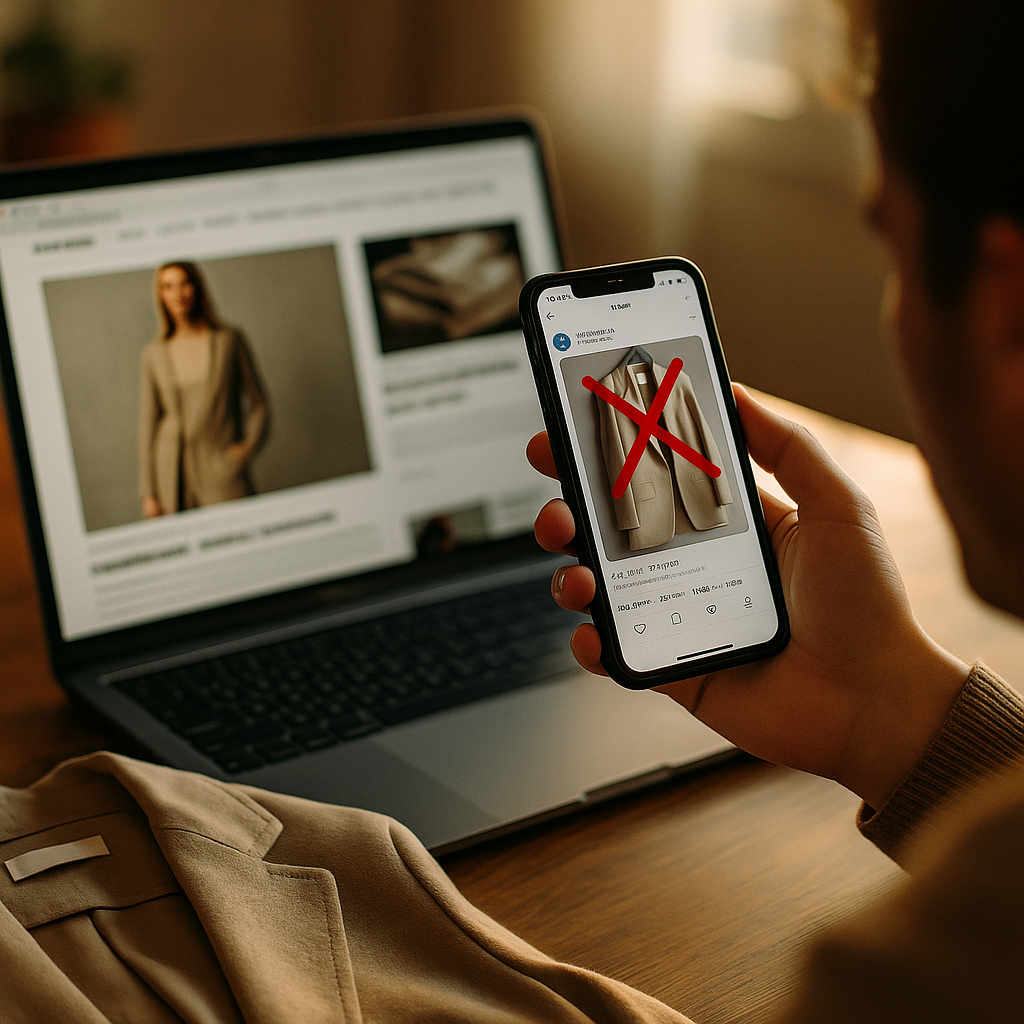
Case Study: How A Fashion Label Navigated A Viral Misinformation Crisis shows what happens when a single false claim spreads faster than a brand’s ability to respond. In 2025, fashion labels face algorithm-driven outrage, screenshot “proof,” and creators who monetize controversy. This case study breaks down the label’s actions, the mistakes it avoided, and the playbook you can copy—before your next post becomes someone else’s headline.
Viral misinformation crisis: What happened and why it spread
A mid-sized contemporary fashion label—known for capsule drops and influencer-led launches—woke up to an overnight spike in mentions. A short-form video claimed the brand used “toxic dyes banned in the EU” and “child labor” in its supply chain. The video stitched a cropped supplier document with a blurry photo of factory workers and a miscaptioned screenshot of an unrelated regulatory notice. Within hours, the claim jumped platforms via repost accounts and reaction commentary.
Three forces made the misinformation travel:
- Emotional specificity: Accusations tied to health and children trigger fast sharing and low verification.
- Screenshot certainty: People treat images as documents, even when context is missing.
- Algorithmic amplification: Outrage content generates high watch time, prompting recommendation loops.
The immediate business impact was measurable: customer service volume surged, paid ads saw hostile comments, and wholesale partners requested urgent clarification. The reputational risk was worse than the operational strain because the accusations were values-based and could permanently alter consumer trust.
The label’s leadership made one early decision that shaped everything that followed: they treated the situation as a public safety and trust incident, not a “PR moment.” That framing pushed them toward evidence, speed, and transparency instead of defensive messaging.
Brand reputation management: The first 24 hours and the crisis command setup
The label activated a small crisis cell within 90 minutes. It included the CEO, head of communications, legal counsel, customer experience lead, and the supply chain/quality director. They set a single source of truth in a shared incident log: what was claimed, where it appeared, reach estimates, questions coming from customers and partners, and what evidence the brand could verify quickly.
In the first 24 hours, the team prioritized four actions:
- Freeze non-essential marketing: Scheduled posts and ads paused to avoid appearing tone-deaf or fueling comment wars.
- Publish a “holding statement” with specifics: Not “we take this seriously,” but “we are investigating these exact claims, here’s what we know, here’s what we will publish next, and when.”
- Open a dedicated intake channel: A web form and email alias for journalists, partners, and customers to share links and questions—reducing rumor triangulation through DMs.
- Align internal staff: A short internal brief told employees what to say (and not say), how to route queries, and where updates would be posted.
Two pitfalls they avoided strengthened trust. First, they did not threaten legal action publicly; that often looks like intimidation and can boost the rumor’s reach. Second, they did not overpromise. They committed to a timeline for evidence release and stuck to it, which matters because audiences track consistency more than polish.
They also prepared customer-facing scripts that answered likely follow-ups: “Are your products safe to wear?” “Where are your factories?” “Will you issue refunds?” “Are you deleting comments?” That preparation kept the tone calm and consistent across channels, a key signal during a credibility test.
Social media crisis response: Containment, communication, and creator outreach
The label treated social channels as both the source of spread and the fastest route to correction. Their approach was structured, not reactive.
1) Pin a single update across platforms. They posted a short, readable statement and pinned it to the top of each profile. It included: the disputed claims, a commitment to publish supporting documents, and a link to a live update page on their site. The site page mattered because social posts fragment; a central page creates continuity and reduces misquoting.
2) Respond to high-visibility threads, not every comment. The team used social listening to identify posts with the highest engagement velocity and replied with the same verifiable link. They avoided arguing with individual users, which can look combative and can keep the rumor trending.
3) Work with creators strategically. Several creators who had shared the original clip were contacted with a concise evidence pack and an invitation to review documents on a call with the supply chain director. The message was respectful and specific: “Here are the receipts, here is what’s wrong with the screenshot, here is the independent documentation, and here is what we’ll do next.” Some creators ignored it. A few posted updates and corrections after reviewing the material, which helped because audiences often trust peers more than brands.
4) Moderate transparently. The label posted a moderation policy: they would remove hate speech, doxxing, and repeated spam links, but keep criticism. This prevented “you’re deleting comments” accusations and demonstrated confidence in scrutiny.
5) Use paid media for correction, carefully. They ran a limited-budget set of “brand safety update” ads targeted to existing customers and website visitors—not broad cold audiences—linking to the update hub. This reduced panic among buyers most likely to encounter the rumor and request refunds.
The label’s social team also anticipated a common follow-up: “If you’re innocent, why didn’t you post evidence immediately?” They explained the verification steps and the reason for timing: quality and compliance documents needed confirmation from third parties before publication to prevent accidental misstatements that could later undermine credibility.
Supply chain transparency: Evidence, audits, and proof people can understand
Because the rumor attacked safety and ethics, the label focused on substantiation. They published materials in plain language, with supporting documents attached, and made them accessible without forcing an email signup.
They released an evidence pack containing:
- Restricted substances compliance summaries for relevant product categories, plus lab test reports for dye and chemical safety where available.
- Factory list by country and the scope of work performed at each site (cut-and-sew, finishing, packaging), avoiding vague “ethical factories” language.
- Audit cadence and standards used (with an explanation of what audits can and cannot prove).
- Supplier document context showing the viral screenshot had been cropped and misdated, plus the original document with sensitive commercial details appropriately redacted.
To meet EEAT expectations, they attached names and titles to claims. The supply chain director signed a statement explaining testing and supplier oversight. Their external compliance partner provided a short letter confirming audit scope and recency. The CEO recorded a brief video acknowledging concern, summarizing the evidence, and outlining next steps—without theatrical emotion or vague reassurance.
They also addressed an uncomfortable but essential question: “Even if this specific claim is false, what are your real risks?” The label acknowledged known industry challenges—subcontracting risk, inconsistent documentation, and the limits of announced audits—and described their mitigation plan, including tighter purchase order controls and expanded spot checks. That candor reduced the sense that the brand was hiding behind technicalities.
The most effective element was usability. Instead of dumping PDFs, they included a one-page “What to look for” guide explaining terms like restricted substances lists, batch testing, and corrective action plans. When readers can interpret evidence, they share corrections with more confidence.
Media relations strategy: From rumor to record with verified timelines
As the story moved beyond social platforms, the label shifted to a media-ready approach: verifiable timelines, documented evidence, and a clear spokesperson structure.
They created a chronological incident timeline showing:
- When the first post appeared and where it was shared
- When the brand became aware and what actions were taken
- When evidence was requested from third parties and received
- When updates were published and what changed
For journalists, they provided a concise press note with links to primary documentation, plus access to subject matter experts—not just PR. Reporters could speak to the quality director about testing, and the sourcing lead about factory oversight. This improved accuracy and reduced sensational framing.
They also prepared for the follow-up question journalists often ask: “Is this a Streisand effect situation?” Their answer was disciplined: they were not amplifying the false claim; they were responding to customer harm and partner concern, and they would only reference the rumor in the context of corrections and evidence.
Where platform policies were implicated, the label filed reports with each platform for misinformation and impersonation (a copycat account had begun posting fabricated “insider emails”). They did not rely on takedowns as the primary solution; they treated them as support actions while building public proof.
The result was a shift from “viral allegation” to “documented correction.” Once a credible outlet published a fact-based summary with the evidence pack link, partners and customers had an authoritative reference point, which reduced repetitive panic and stabilized inbound queries.
Trust rebuilding plan: Long-term changes that outlast the crisis
When the rumor slowed, the label resisted the urge to “move on.” They treated the aftermath as a trust debt that required repayment through consistent behavior.
They implemented a 90-day trust rebuilding plan:
- Permanent transparency page: The live update hub became a standing “Responsibility & Testing” page, updated quarterly with accessible summaries.
- Product-level traceability pilots: Selected items received QR codes linking to factory location, materials, and test summaries—starting with best-selling categories.
- Customer care training: Agents received a short curriculum on compliance basics so responses stayed accurate and confident under pressure.
- Scenario drills: The crisis cell ran tabletop simulations to reduce decision latency next time.
- Community listening: The label hosted a live Q&A with the supply chain director and an external compliance advisor, moderated by a neutral host to keep it substantive.
They also measured recovery using indicators that connect reputation to behavior: refund rates, repeat purchase among existing customers, wholesale reorder confidence, sentiment among top community advocates, and the volume of “is it true?” queries over time. This mattered because vanity metrics (likes, follower counts) often rebound before trust does.
The clearest takeaway from their long-term work was simple: evidence wins, but consistency keeps the win. People remember how a brand behaves after the peak—whether it institutionalizes transparency or returns to slogans.
FAQs
What is the first thing a fashion brand should do when misinformation goes viral?
Pause scheduled marketing, activate a small crisis team, and publish a specific holding statement that names the claim, explains what you are verifying, and gives a clear timeline for the next update. Speed matters, but accuracy matters more.
Should a brand threaten legal action against accounts spreading false claims?
Usually not in public. Public threats can increase sharing and make the brand look defensive. Use platform reporting, preserve evidence, consult counsel, and focus public messaging on verifiable corrections and customer reassurance.
How do you prove supply chain accusations are false without oversharing confidential data?
Share primary documents with sensitive commercial details redacted, publish third-party confirmations where possible, and explain the context behind screenshots. Pair PDFs with plain-language summaries so non-experts can understand what the documents show.
Is it better to respond in comments or create a separate statement?
Do both, but prioritize a central update page on your website and pin a short statement on each platform linking to it. Use comments selectively on high-reach posts to direct people to the same source of truth.
How can brands work with creators who shared the misinformation?
Contact them respectfully with an evidence pack, offer access to subject matter experts, and invite them to review documents. Don’t demand apologies; make it easy for them to post a correction with confidence and clarity.
How long does it take to rebuild trust after a misinformation crisis?
It depends on claim severity, how fast you provide evidence, and whether you make lasting changes. A clear 60–90 day plan with measurable actions—traceability, transparency updates, and improved customer care—often stabilizes trust faster than one-off statements.
What metrics should brands track during and after the crisis?
Track customer service volume and themes, refund and chargeback rates, conversion changes, partner inquiries, sentiment among existing customers, and the spread rate of the original claim versus correction links. These show whether people are moving from rumor to record.
Conclusion In 2025, a misinformation spike can hit any fashion label, but outcomes depend on discipline. This case study shows a repeatable sequence: activate a command team, communicate fast with specifics, publish understandable evidence, and keep one source of truth. The lasting advantage comes from operational transparency that continues after the trend passes—because trust is built through proof and repetition.