


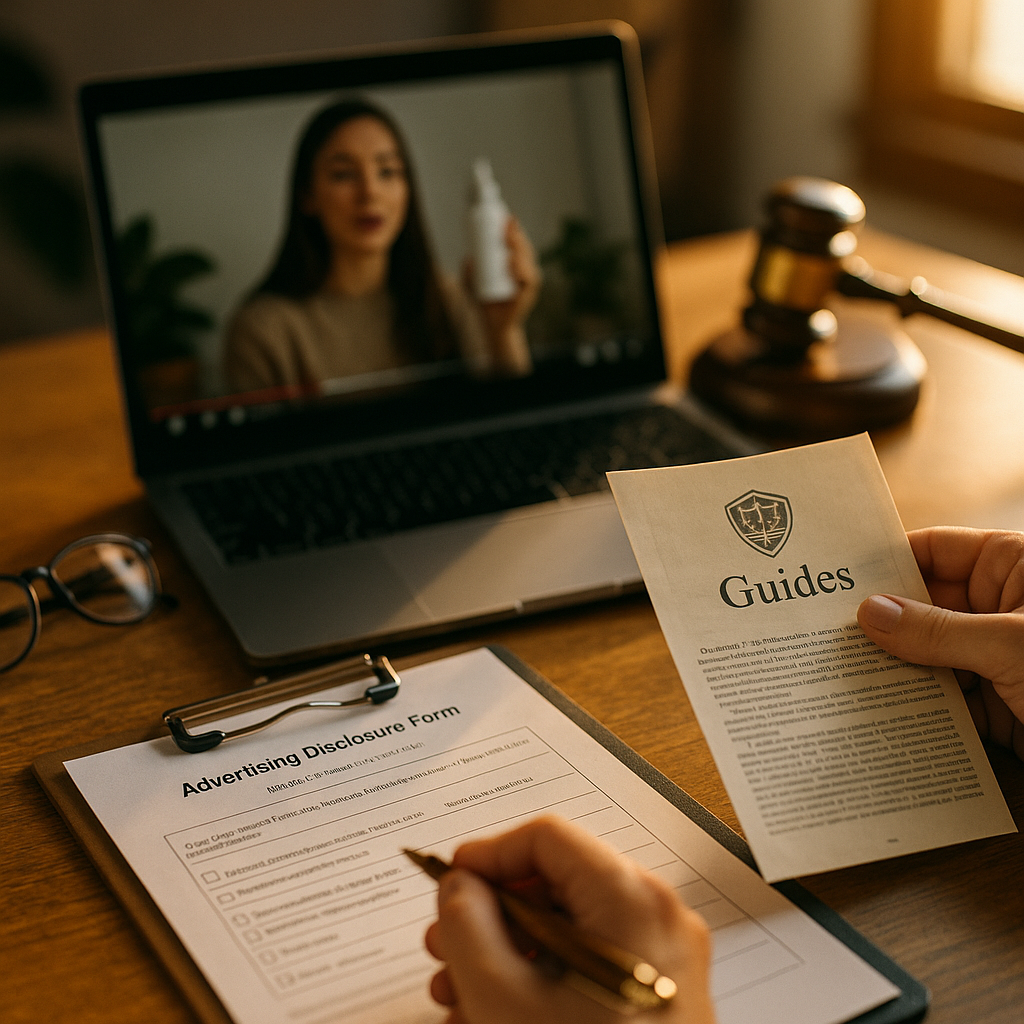
Understanding the FTC’s endorsement guides is essential for businesses and influencers navigating today’s regulatory landscape. Disclosing “material connections” clearly is more important than ever, especially as consumers rely heavily on online reviews and recommendations. But what exactly counts as a “material connection,” and how do you ensure compliance? Let’s break down how to get these crucial disclosures right in 2025.
Why Proper Disclosure of Material Connections Matters
The Federal Trade Commission (FTC) endorsement guides require that anyone endorsing a brand, product, or service—whether for payment or other incentives—must disclose their relationship with the business. This legal requirement supports transparency and protects consumer trust. Failure to provide clear material connection disclosures can result in penalties, reputational harm, and lost credibility with your audience.
According to the FTC, a “material connection” includes any relationship that could affect the weight or credibility consumers give to an endorsement. Examples include paid partnerships, free products, affiliate links, or special access to events. Simply put: if receiving something of value could influence your opinion, your audience needs to know.
Defining “Material Connections” in Today’s Influencer Economy
As influencer marketing continues to expand in 2025, identifying what qualifies as a material connection can become complex. It goes beyond direct monetary payments. The FTC considers the following as material connections:
- Gifted products or services—even with no obligation to review
- Discounts, free travel, or accommodations
- Family or employment relationships with the brand
- Affiliate links and commissions
- Brand ambassador or long-term collaborations
With new platforms and monetization methods emerging, erring on the side of disclosure is safest. If you stand to benefit—financially or otherwise—from promoting a product or service, your followers should be informed.
How to Clearly Disclose Material Connections Online
Clear disclosure means your audience understands the nature of the relationship without confusion. The FTC’s guidance for 2025 emphasizes that ambiguous language, hidden disclaimers, or hard-to-find notices are not adequate. Instead, consider the following best practices:
- Use straightforward language. Phrases like “ad,” “sponsored by [brand],” or “I received this product for free from [brand]” are direct and effective.
- Place disclosures where they’re easy to see. For videos, include both visual and verbal mentions early on. For Instagram Stories, overlay the disclosure on the first slide, not buried in a string of hashtags.
- Avoid hidden or fine-print disclosures. Disclosures at the end of long captions or “about me” sections don’t suffice. They should be prominent and upfront.
- Keep disclosures in the same language as the endorsement. If your content is in Spanish, so should your disclosure be.
Review your content format. What works on a YouTube video differs from what’s appropriate for a tweet. Adapt the style, but never obscure the message.
Legal Updates and Compliance Strategies in 2025
The FTC periodically updates its endorsement guides to address new challenges in the digital marketing landscape. In 2025, increased scrutiny targets micro-influencers, ephemeral content, and AI-created endorsements. Regulators expect brands and influencers to:
- Conduct regular audits of digital content for proper disclosures, especially on new or emerging platforms.
- Train teams and partners on current disclosure requirements.
- Document policies and enforcement within contracts when working with influencers or creators.
Legal experts now recommend that contracts include explicit disclosure mandates and consequences for non-compliance. Tools like automated monitoring platforms can flag missing or unclear disclosures, reducing the risk of violations.
Building Trust: The Value of Transparent Endorsements
Transparency directly impacts purchasing decisions. Recent industry data highlights that in 2025, 84% of consumers say they trust recommendations more when material connections are disclosed up front. By prioritizing clear and honest disclosures, brands and influencers don’t just avoid legal pitfalls—they foster genuine credibility.
Today’s audiences quickly detect insincerity. Over-disclosure is rarely penalized, but non-disclosure can destroy trust and invite regulatory intervention. In an increasingly crowded influencer space, strong disclosure practices set you apart and invite lasting loyalty from your audience.
Common Pitfalls to Avoid When Disclosing Material Connections
While most businesses and creators intend to comply, some frequent mistakes can jeopardize their efforts. Watch out for:
- Relying on vague language: Terms like “partner,” “thanks to,” or “affiliate” might not make the connection clear to all users.
- Burying disclosures at the end: Viewers may never reach the final line of a caption or video, so always disclose early and prominently.
- Assuming audiences “just know” when content is sponsored—never skip explicit disclosure, regardless of your following’s experience.
- Ignoring platform-specific rules: Social networks increasingly mandate their own disclosure tools—use them alongside, not instead of, manual statements.
Prevent these issues by reviewing every piece of sponsored content through the lens of a first-time viewer: would it be clear to someone brand new that a material connection exists?
Conclusion: Ensuring Compliance and Trust with Effective Disclosures
In 2025, disclosing material connections clearly is vital for legal compliance and audience trust. Prioritizing transparency—using plain, prominent language and adapting to each platform—sets ethical standards and maintains credibility. By consistently following FTC endorsement guides, you protect your brand, your partnerships, and your reputation.
FAQs: Disclosing Material Connections
- What is a “material connection” in endorsements?
A material connection is any relationship that could influence the weight or credibility of your endorsement, including payments, gifts, discounts, or other incentives. - Do I need to disclose free products or affiliate links?
Yes—any free item, service, or affiliate commission must be clearly disclosed, so your audience understands you have received something of value. - How should I disclose on different social media platforms?
The disclosure should be clear and conspicuous, adapted for each platform. Use language like “ad” or “sponsored” early in the content and ensure it’s visible without extra clicks or scrolling. - Are hashtags like #ad enough for compliance?
Hashtags like #ad or #sponsored are effective if used prominently and not mixed with numerous other tags. Always place them at the beginning, not buried at the end. - What happens if I don’t disclose a material connection?
Non-compliance can lead to FTC enforcement, financial penalties, and damage to your reputation and your brand’s trustworthiness.