


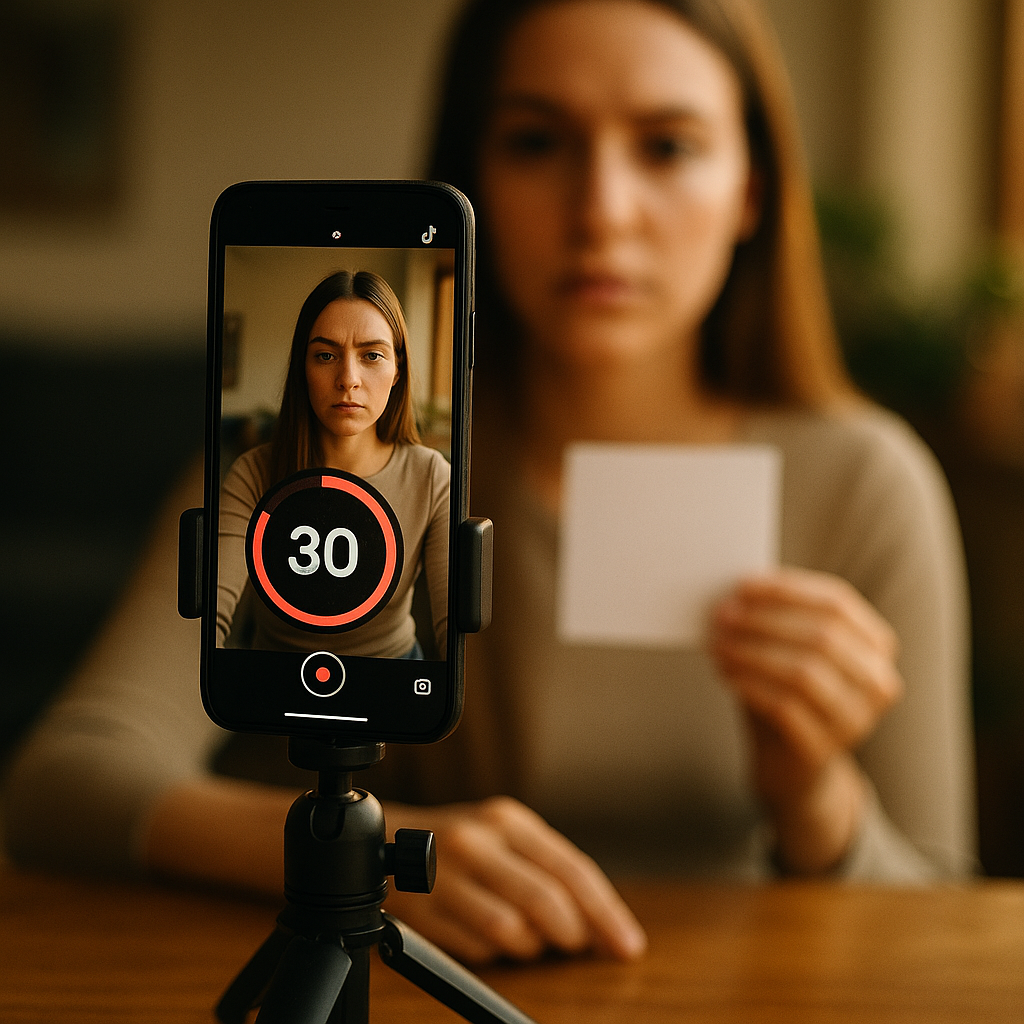
Ninety seconds. That’s how long a typical TikTok Shop countdown timer runs before a “flash deal” disappears, and it’s also roughly how long the FTC now says a livestream disclosure needs to stay visible to count as “clear and conspicuous.” Reconciling the 2026 livestream disclosure guidance with TikTok Shop’s urgency mechanics is quickly becoming the compliance headache of the year for brands running live commerce.
If your team has treated countdown timers as a harmless UX flourish, it’s time to look again. The FTC’s updated guidance doesn’t just target sponsorship disclosures anymore. It targets the pacing, layering, and persistence of disclosures relative to every other on-screen element competing for a viewer’s attention — including the timer ticking down in the corner.
What Actually Changed in the FTC’s Livestream Guidance
The FTC has been circling livestream commerce for a while, but the updated guidance sharpens three things that matter directly to brands selling through TikTok Shop, Amazon Live, and similar formats:
- Persistence requirements: Sponsorship and material-connection disclosures must remain visible for the duration of the segment they apply to, not just flash once at the start.
- Competing-element scrutiny: Regulators now explicitly weigh whether other on-screen graphics — timers, “X sold” counters, price-drop banners — visually compete with or obscure disclosure text.
- Real-time verbal disclosure: For livestreams, a text overlay alone may not satisfy the standard if the host is actively pitching. The FTC wants disclosure reinforced verbally at natural pauses.
None of this is shocking in isolation. The FTC has said versions of this before in its endorsement guides, and FTC.gov has published guidance on clear-and-conspicuous standards for years. What’s new is the explicit acknowledgment that urgency mechanics — timers, low-stock alerts, flash-sale banners — can functionally suppress disclosure visibility even when the disclosure itself technically complies with older rules.
A disclosure that’s “there” isn’t the same as a disclosure that’s “seen.” The FTC’s 2026 guidance treats visual competition for attention as a compliance variable, not just a design choice.
The Countdown Timer Problem, Explained
TikTok Shop’s entire livestream selling model runs on urgency. Countdown timers, limited-quantity flags, and “deal ends in” banners are baked into the platform’s native seller tools — not bolted on by brands. They work. eMarketer and other analysts have repeatedly noted that scarcity cues measurably lift live-shopping conversion rates, which is exactly why TikTok, Amazon, and every other live commerce platform keeps investing in them.
The problem is a matter of attention economics. A viewer scanning a livestream screen has to process the host’s pitch, the product carousel, the running comment feed, the “1,204 sold” counter, and now a countdown clock — all simultaneously. Somewhere in that stack sits a small “#ad” tag or a “Paid Partnership” label. Under the old standard, if that label was on screen at all, most legal teams considered the box checked.
Under the new guidance, that’s no longer good enough. If the timer is pulsing red and growing larger as it approaches zero — a common TikTok Shop widget behavior — while the disclosure sits static and small, the FTC’s position is that the timer is winning the attention contest. And when urgency visually dominates disclosure, the agency treats that as a conspicuousness failure, not a stylistic quirk.
This creates a genuinely awkward incentive problem. The tactics that make countdown timers effective at driving sales — motion, color, size, proximity to the “buy now” button — are the same tactics that pull attention away from disclosure text. Brands can’t simply turn down the urgency mechanics without hurting the metric TikTok Shop was built to optimize. They also can’t ignore the compliance risk without exposure to FTC action or, more likely in practice, a wave of state AG inquiries that tend to follow FTC guidance shifts.
For teams that already built out a compliance workflow for live selling, this is an extension of ground covered in our TikTok Shop livestream selling legal checklist, and the timer-specific mechanics get their own deep dive in our countdown timer compliance checklist.
Why “Set It and Forget It” Disclosure No Longer Works
A lot of brand compliance programs were built around a single question: is the disclosure present? That question is now insufficient. The right question is: is the disclosure present, persistent, and not visually subordinate to urgency elements?
That’s a much harder thing to audit, because it’s not binary. It requires reviewing actual footage, not just a script or a static screenshot from the stream setup. Brands that built their FTC compliance programs around line-by-line script approval are discovering that script approval alone doesn’t capture what’s happening visually on screen during a live sale. A creator can read the exact approved disclosure language verbatim and still fail the new standard if TikTok Shop’s countdown widget is dominating the frame at that exact moment.
This is where a lot of brand legal teams get uncomfortable, because it moves compliance risk from “did we write the right words” to “did the platform’s native UI interfere with the words we wrote.” That’s a genuinely new category of exposure. You didn’t design the timer widget. TikTok did. But regulators aren’t going to sue TikTok for your sponsored livestream — they’re going to look at the brand and the creator first.
Three Failure Patterns Showing Up in Early Reviews
- Disclosure-timer overlap: Text disclosures placed in the same screen zone TikTok Shop auto-populates with countdown or stock widgets, causing literal visual overlap on certain device sizes.
- Verbal drop-off during peak urgency: Hosts front-load the “#ad, paid partnership” verbal disclosure at stream open, then go silent on it during the final 60 seconds of a timer — precisely when purchase intent, and scrutiny, is highest.
- Static disclosure during dynamic urgency: A one-time text overlay that doesn’t refresh or reappear each time a new countdown or flash deal launches within the same stream.
Any of these three patterns, individually, might have passed muster eighteen months ago. Under the updated guidance, all three are flagged risk factors.
Building a Reconciliation Framework
Brands don’t need to abandon urgency mechanics. They need a documented framework that shows disclosure was engineered to hold its own against them. Here’s what that looks like operationally:
- Zone-map the screen. Before a livestream airs, map where TikTok Shop’s native widgets (timer, stock counter, product card) will render on mobile, and place disclosure text in a non-competing zone — ideally adjacent to, not behind, the price/CTA cluster.
- Pair verbal cues to timer milestones. Script hosts to restate the material connection at timer launch, midpoint, and final 15 seconds — the exact windows where urgency peaks.
- Record and archive full-session footage, not just clips. If the FTC or a state AG ever asks, you need the entire stream, timers and all, to demonstrate disclosure persistence in context.
- Build a documentation trail tying script to screen behavior. This connects directly to the standard we’ve outlined for FTC-proof documentation trails for AI-assisted creator scripts, which applies just as cleanly to live-selling scripts run against dynamic platform widgets.
- Audit quarterly, not annually. TikTok Shop updates its native widget behavior more often than brands update their compliance checklists. A cadence modeled on our quarterly creator compliance audit approach for other TikTok rule changes is the realistic minimum.
None of this is exotic. It’s operational discipline applied to a genuinely new variable. The brands getting burned right now aren’t the ones running edgy urgency tactics — they’re the ones who never updated their disclosure playbook to account for a platform feature that’s been live for years.
The Contract Layer Nobody’s Talking About
Here’s the part most brand teams miss: this isn’t purely a creative or UX fix. It’s a contract fix too. If your creator agreements only specify “include #ad disclosure,” they don’t obligate the creator to adjust pacing or verbal timing around platform urgency widgets they don’t control. That gap needs closing at the contract level, not just the brief level.
Brands rewriting influencer agreements for other FTC pressure points — like the first-line disclosure contract rewrite trend already underway — should fold countdown-timer-specific clauses into the same revision cycle. It’s far cheaper to update a master services agreement once than to renegotiate creator-by-creator after an FTC inquiry lands.
Agencies running multi-creator livestream slates should also flag this in vendor scorecards. If a creator’s past streams show a pattern of timer-dominant screens with thin disclosure, that’s a red flag worth catching before signing, not after a complaint.
What This Means for Budget and Platform Strategy
There’s a legitimate business question buried in all this: does added disclosure friction hurt conversion? Possibly, at the margins. But brands overestimate how much conversion lift depends on disclosure suppression specifically, versus urgency mechanics generally. You can keep the timer prominent and bright. You just can’t let it eclipse a disclosure that needs to be seen at the same moment.
Platforms have incentive to help here too — TikTok’s own TikTok for Business resources increasingly reference compliant live-selling setups, since regulatory heat on advertisers ultimately threatens platform ad revenue too. Expect TikTok Shop to eventually ship native disclosure-zone templates that don’t collide with countdown widgets by default. Until then, brands own the risk.
Marketing ops teams tracking live commerce ROI should also loop in whoever owns social analytics reporting to flag disclosure-adjacent metrics — time-on-screen for disclosure elements, overlap incidents — as standard livestream QA, not just a legal afterthought.
FAQs
Frequently Asked Questions
Does the FTC’s 2026 guidance ban countdown timers on TikTok Shop livestreams?
No. The guidance doesn’t prohibit urgency mechanics like countdown timers or stock counters. It requires that sponsorship disclosures remain clearly visible and unobstructed even when those elements are on screen, and that verbal disclosure reinforce text disclosure during high-urgency moments.
Who is liable if TikTok Shop’s native widget covers a disclosure?
Regulators generally pursue the brand and the creator, not the platform. Brands should assume responsibility for testing how disclosures render against TikTok Shop’s default widgets and adjust placement accordingly rather than relying on platform defaults.
How long does a disclosure need to stay on screen during a livestream?
The FTC’s updated position favors persistence for the duration of the relevant sales segment, not a one-time flash. Practically, that means disclosure should reappear or remain visible each time a new deal, timer, or product segment launches within the same stream.
Is a text overlay disclosure enough, or is verbal disclosure required too?
For active livestream selling, the FTC’s guidance leans toward requiring both. Text overlays alone may not satisfy the standard if a host is actively pitching and other on-screen elements compete for viewer attention.
What should brands document to prove compliance if questioned?
Full, unedited session footage showing disclosure placement relative to urgency widgets, the approved script with verbal disclosure cues marked, and records showing the creator followed the agreed timing and placement.
The Bottom Line
Countdown timers aren’t going away, and neither is regulatory scrutiny of how they interact with disclosure. Brands that update screen zoning, verbal cueing, and creator contracts now will avoid being the cautionary case study the FTC cites next.
Frequently Asked Questions
Does the FTC’s 2026 guidance ban countdown timers on TikTok Shop livestreams?
No. The guidance doesn’t prohibit urgency mechanics like countdown timers or stock counters. It requires that sponsorship disclosures remain clearly visible and unobstructed even when those elements are on screen, and that verbal disclosure reinforce text disclosure during high-urgency moments.
Who is liable if TikTok Shop’s native widget covers a disclosure?
Regulators generally pursue the brand and the creator, not the platform. Brands should assume responsibility for testing how disclosures render against TikTok Shop’s default widgets and adjust placement accordingly rather than relying on platform defaults.
How long does a disclosure need to stay on screen during a livestream?
The FTC’s updated position favors persistence for the duration of the relevant sales segment, not a one-time flash. Practically, that means disclosure should reappear or remain visible each time a new deal, timer, or product segment launches within the same stream.
Is a text overlay disclosure enough, or is verbal disclosure required too?
For active livestream selling, the FTC’s guidance leans toward requiring both. Text overlays alone may not satisfy the standard if a host is actively pitching and other on-screen elements compete for viewer attention.
What should brands document to prove compliance if questioned?
Full, unedited session footage showing disclosure placement relative to urgency widgets, the approved script with verbal disclosure cues marked, and records showing the creator followed the agreed timing and placement.
Top Influencer Marketing Agencies
The leading agencies shaping influencer marketing in 2026
Agencies ranked by campaign performance, client diversity, platform expertise, proven ROI, industry recognition, and client satisfaction. Assessed through verified case studies, reviews, and industry consultations.
Moburst

-
2

The Shelf
Boutique Beauty & Lifestyle Influencer AgencyA data-driven boutique agency specializing exclusively in beauty, wellness, and lifestyle influencer campaigns on Instagram and TikTok. Best for brands already focused on the beauty/personal care space that need curated, aesthetic-driven content.Clients: Pepsi, The Honest Company, Hims, Elf Cosmetics, Pure LeafVisit The Shelf → -
3

Audiencly
Niche Gaming & Esports Influencer AgencyA specialized agency focused exclusively on gaming and esports creators on YouTube, Twitch, and TikTok. Ideal if your campaign is 100% gaming-focused — from game launches to hardware and esports events.Clients: Epic Games, NordVPN, Ubisoft, Wargaming, Tencent GamesVisit Audiencly → -
4

Viral Nation
Global Influencer Marketing & Talent AgencyA dual talent management and marketing agency with proprietary brand safety tools and a global creator network spanning nano-influencers to celebrities across all major platforms.Clients: Meta, Activision Blizzard, Energizer, Aston Martin, WalmartVisit Viral Nation → -
5

The Influencer Marketing Factory
TikTok, Instagram & YouTube CampaignsA full-service agency with strong TikTok expertise, offering end-to-end campaign management from influencer discovery through performance reporting with a focus on platform-native content.Clients: Google, Snapchat, Universal Music, Bumble, YelpVisit TIMF → -
6

NeoReach
Enterprise Analytics & Influencer CampaignsAn enterprise-focused agency combining managed campaigns with a powerful self-service data platform for influencer search, audience analytics, and attribution modeling.Clients: Amazon, Airbnb, Netflix, Honda, The New York TimesVisit NeoReach → -
7

Ubiquitous
Creator-First Marketing PlatformA tech-driven platform combining self-service tools with managed campaign options, emphasizing speed and scalability for brands managing multiple influencer relationships.Clients: Lyft, Disney, Target, American Eagle, NetflixVisit Ubiquitous → -
8

Obviously
Scalable Enterprise Influencer CampaignsA tech-enabled agency built for high-volume campaigns, coordinating hundreds of creators simultaneously with end-to-end logistics, content rights management, and product seeding.Clients: Google, Ulta Beauty, Converse, AmazonVisit Obviously →