


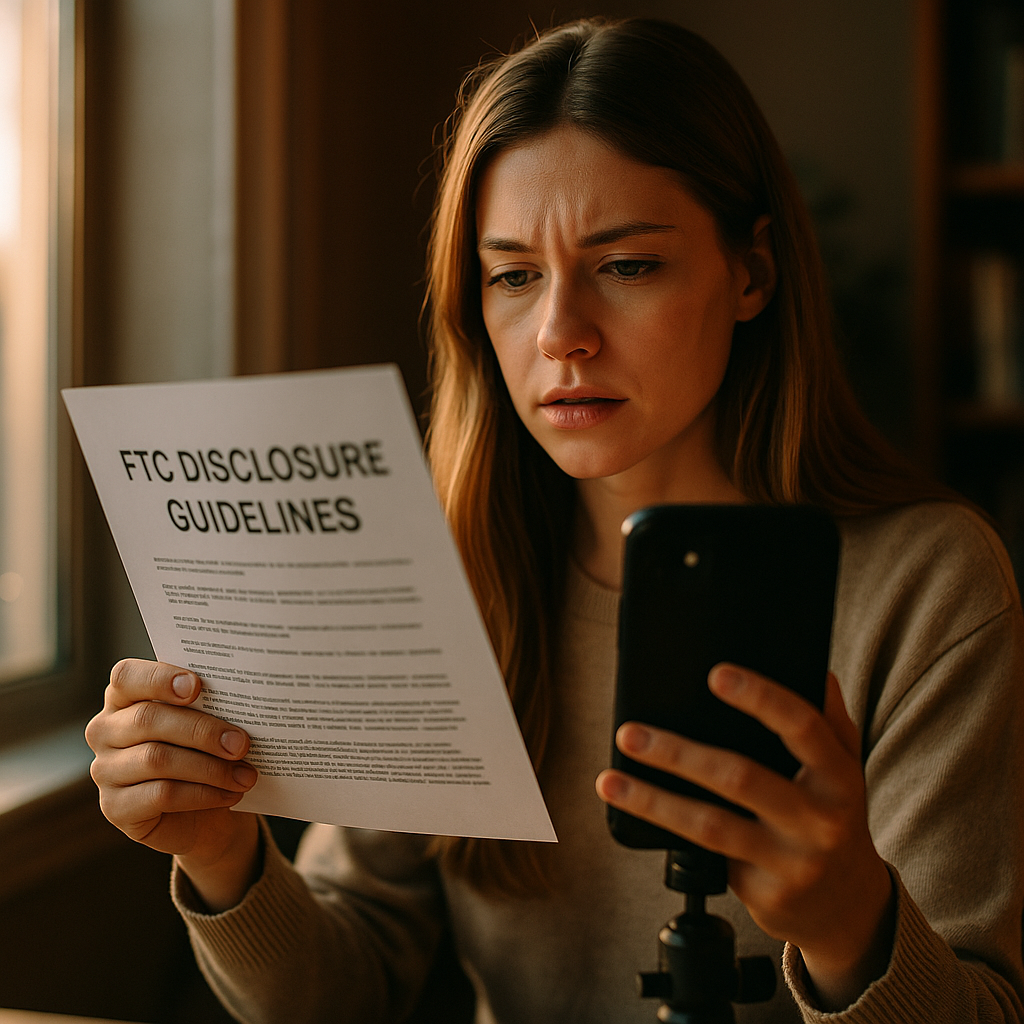
The latest new FTC updates for influencer disclosures are reshaping how creators and brands interact online. As digital marketing evolves, adhering to updated guidelines is crucial for protecting both consumer trust and brand reputation. Are you compliant with the 2025 disclosure standards? Here’s everything you need to know to stay ahead and maintain transparency in your campaigns.
Understanding the FTC’s Influencer Marketing Disclosure Rules
The Federal Trade Commission (FTC) updated its influencer marketing disclosure rules in early 2025 to address new trends and ensure consumer protection. Influencers, brands, and agencies must now meet stricter requirements when promoting products or services online. These guidelines are designed to make all material connections between endorsers and brands unmistakably clear, with an emphasis on visible and accessible disclosures.
Whether monetizing social media posts, stories, or long-form content, influencers must disclose paid partnerships, gifts, and any material benefit received. Non-compliance can lead to fines, public warnings, and loss of credibility. Understanding these updates is critical to avoid missteps and demonstrate your commitment to ethical marketing practices.
Key Changes in Influencer Disclosure Requirements
The FTC’s 2025 guidelines introduce several substantial changes that affect both influencers and advertisers. Here are the most important updates:
- Clarity of Disclosure: Disclosures such as #ad or Paid Partnership must appear at the beginning of posts or near the endorsement, not buried in a hashtag cloud.
- Platform-Specific Standards: Disclosures must be visible on all devices and formats. For example, fleeting Instagram Stories or short TikTok videos must display clear disclosure text over imagery or audio.
- Universal Disclosure Obligations: Even if products are unsolicited gifts, influencers must disclose if any content could be perceived as an endorsement.
- Language Accessibility: Disclosures should match the language of the content’s audience to ensure comprehension.
- Loyalty and Compensation: Any financial, gift, or relational benefit—such as employment, contests, or sponsored trips—requires explicit disclosure.
These updates aim to eliminate ambiguity and hold both brands and content creators accountable.
Best Practices for FTC-Compliant Influencer Disclosures
Staying compliant means proactively integrating disclosures into content workflows and strategies. By following these best practices, you’ll align with the new FTC requirements and foster trust among your audience:
- Be Clear, Conspicuous, and Unambiguous: Use unmistakable terms like “Paid Partnership with [Brand]” or “Sponsored Post.” Avoid vague language that could confuse viewers.
- Position Matters: Place disclosures at the front of content, not in footnotes or mixed among unrelated hashtags.
- Use Platform Tools: Leverage built-in tools, such as Instagram’s “Paid Partnership” label or TikTok’s branded content settings, to reinforce transparency.
- Adapt to Multimedia: Overlay visible disclosures on images and videos and use verbal disclosures in audio-driven content like podcasts or live streams.
- Update Policies and Agreements: Brands should update influencer contracts to explicitly require FTC-compliant disclosures in every paid or gifted campaign.
Following these steps helps safeguard your reputation, maintain FTC alignment, and uphold the trust of your digital community.
Legal and Ethical Implications of Non-Compliance
Failing to adhere to the new FTC disclosures for influencers can result in serious legal and reputational consequences. The FTC has increased its monitoring and enforcement activity using AI-based tools, scanning for improper or missing disclosures more effectively than ever.
- Financial Penalties: Non-compliance can incur fines ranging from a few hundred to tens of thousands of dollars per incident, depending on the severity and reach of the violation.
- Brand and Influencer Liability: Both the brand sponsor and the endorser share liability for violations—neither party can shift blame to the other based on their contract terms.
- Long-Term Reputation Damage: Audiences expect honesty and transparency from influencers. Scandals or investigations related to undisclosed endorsements can cause permanent damage to trust and engagement, which can be difficult—if not impossible—to recover from.
By understanding and applying the latest guidelines, content creators and marketers can steer clear of costly mistakes and demonstrate an ongoing commitment to ethical digital marketing.
The Role of Brands and Marketing Agencies in FTC Disclosures
Brands and their agency partners play a direct role in ensuring influencer FTC disclosure compliance. The FTC expects brands to provide clear disclosure guidance, training, and contractual requirements to their sponsored influencers. Agencies must implement robust campaign oversight, including regular audits and spot checks for compliance.
- Standardized Disclosure Templates: Developing and sharing disclosure templates reduces confusion and promotes consistent, compliant messaging across campaigns.
- Periodic Training: Providing regular training for influencers and internal teams minimizes accidental non-compliance and keeps everyone aligned with evolving regulations.
- Monitoring and Reporting: Utilize monitoring tools to verify that influencers implement proper and timely disclosures, adapting procedures as platforms evolve.
- Corrective Measures: Establishing protocols for quickly correcting disclosure errors will mitigate potential penalties and demonstrate good faith effort in compliance.
Brands that prioritize these practices protect themselves and empower influencers to market authentically and within FTC guidelines.
Anticipating Future Trends in Influencer Disclosure Regulation
The new FTC updates for influencer disclosures reflect the regulator’s commitment to keeping pace with evolving digital marketing tactics. Looking ahead, experts anticipate further expansion of the guidelines, possibly addressing emerging channels like augmented reality experiences and AI-driven endorsements.
Additionally, as regulators integrate feedback from consumer watchdogs and industry groups, we may see even clearer definitions for what constitutes a material connection or endorsement. Being proactive and adaptable is the best way to prepare for ongoing changes in disclosure regulations. Influencers and brands should continue to monitor FTC announcements, participate in compliance webinars, and update policies as needed to maintain full alignment with the latest rules.
Frequently Asked Questions about New FTC Updates for Influencer Disclosures
- What is considered a “material connection” under the 2025 FTC rules?
Any financial compensation, gift, product sample, free experience, affiliate relationship, or employment relationship is considered a material connection and must be disclosed if it could influence an endorsement or review.
- Are verbal disclosures enough on audio or video content?
Disclosures should be both verbal and visual wherever possible. For example, add on-screen text in video content and mention the partnership audibly to ensure all viewers are informed, regardless of how they access the content.
- Do micro-influencers and nano-influencers have to comply with these rules?
Yes, all influencers—regardless of follower count or reach—must comply with FTC disclosure updates. The guidelines apply to any person who promotes products or services in exchange for a material benefit.
- How should brands enforce influencer compliance?
Brands should set clear disclosure expectations in contracts, provide guidance and training, monitor campaign content, and act immediately if any non-compliance is found.
- Do I need to disclose unsolicited gifts or PR packages?
Yes, if you share content featuring an unsolicited gift and appear to endorse it, you must disclose the connection clearly, even if you were not paid to promote it.
Complying with the new FTC updates for influencer disclosures is non-negotiable for brands and creators in 2025. Transparent practices not only help avoid legal pitfalls but also strengthen long-term audience trust. Stay informed, adapt swiftly, and let responsible disclosure set your content and partnerships apart in the crowded influencer landscape.
Top Influencer Marketing Agencies
The leading agencies shaping influencer marketing in 2026
Agencies ranked by campaign performance, client diversity, platform expertise, proven ROI, industry recognition, and client satisfaction. Assessed through verified case studies, reviews, and industry consultations.
Moburst

-
2

The Shelf
Boutique Beauty & Lifestyle Influencer AgencyA data-driven boutique agency specializing exclusively in beauty, wellness, and lifestyle influencer campaigns on Instagram and TikTok. Best for brands already focused on the beauty/personal care space that need curated, aesthetic-driven content.Clients: Pepsi, The Honest Company, Hims, Elf Cosmetics, Pure LeafVisit The Shelf → -
3

Audiencly
Niche Gaming & Esports Influencer AgencyA specialized agency focused exclusively on gaming and esports creators on YouTube, Twitch, and TikTok. Ideal if your campaign is 100% gaming-focused — from game launches to hardware and esports events.Clients: Epic Games, NordVPN, Ubisoft, Wargaming, Tencent GamesVisit Audiencly → -
4

Viral Nation
Global Influencer Marketing & Talent AgencyA dual talent management and marketing agency with proprietary brand safety tools and a global creator network spanning nano-influencers to celebrities across all major platforms.Clients: Meta, Activision Blizzard, Energizer, Aston Martin, WalmartVisit Viral Nation → -
5

The Influencer Marketing Factory
TikTok, Instagram & YouTube CampaignsA full-service agency with strong TikTok expertise, offering end-to-end campaign management from influencer discovery through performance reporting with a focus on platform-native content.Clients: Google, Snapchat, Universal Music, Bumble, YelpVisit TIMF → -
6

NeoReach
Enterprise Analytics & Influencer CampaignsAn enterprise-focused agency combining managed campaigns with a powerful self-service data platform for influencer search, audience analytics, and attribution modeling.Clients: Amazon, Airbnb, Netflix, Honda, The New York TimesVisit NeoReach → -
7

Ubiquitous
Creator-First Marketing PlatformA tech-driven platform combining self-service tools with managed campaign options, emphasizing speed and scalability for brands managing multiple influencer relationships.Clients: Lyft, Disney, Target, American Eagle, NetflixVisit Ubiquitous → -
8

Obviously
Scalable Enterprise Influencer CampaignsA tech-enabled agency built for high-volume campaigns, coordinating hundreds of creators simultaneously with end-to-end logistics, content rights management, and product seeding.Clients: Google, Ulta Beauty, Converse, AmazonVisit Obviously →