


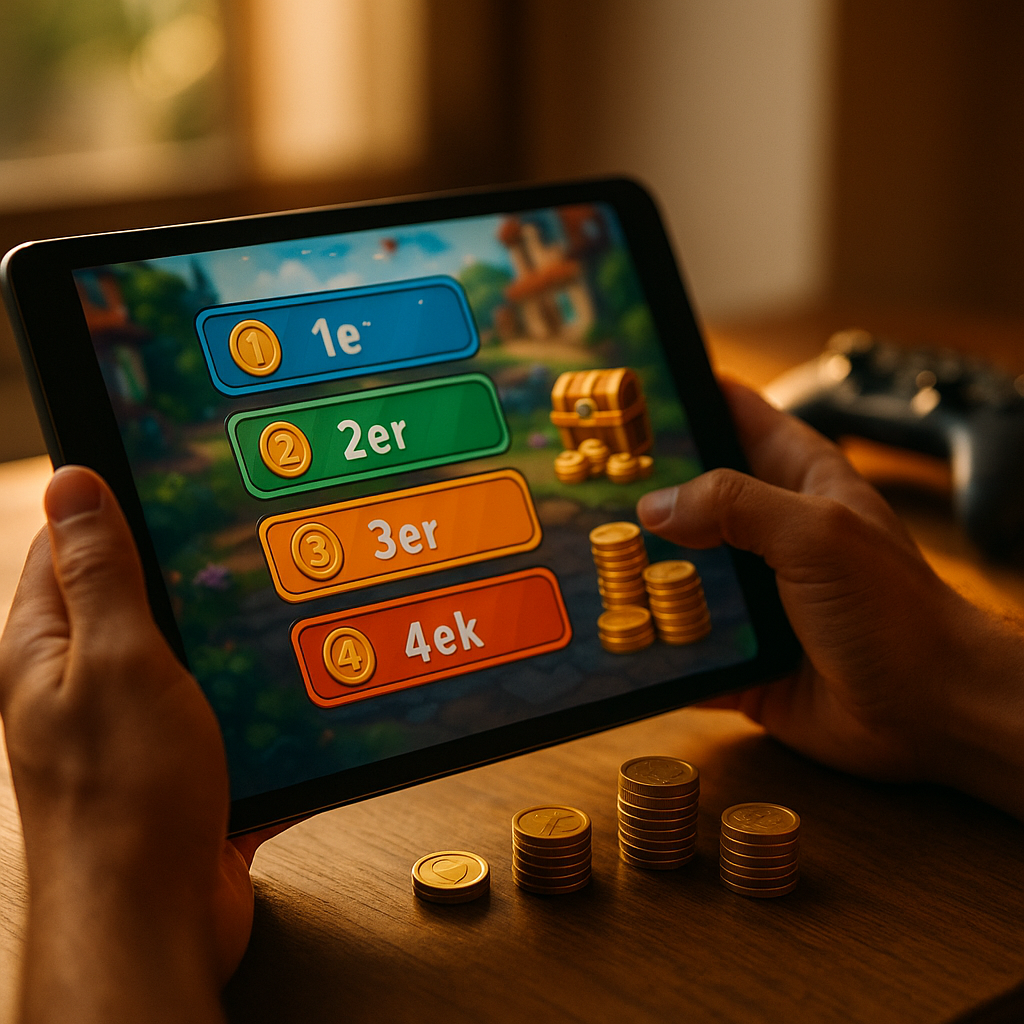
Tiered compensation models are revolutionizing how organizations reward and motivate content creators. By introducing performance-based incentives, companies can gamify creator performance, driving engagement and boosting output quality. But how do these structures work in 2025, and what does the ideal model look like for brands and creators? Let’s delve into how gamification transforms compensation in the creator economy.
Understanding Tiered Incentive Structures for Creator Compensation
Tiered incentive structures reward creators based on their performance against predefined milestones. This aligns creator output with business goals, offering bonuses, increased payouts, or exclusive opportunities as creators climb performance tiers. As creator platforms become more sophisticated, tiered compensation models in 2025 offer:
- Clear and transparent progression: Creators understand what’s required to reach higher payout levels.
- Objective metrics: Rewards tie directly to measurable engagement, reach, or sales figures.
- Sustained motivation: Frequent, attainable goals help sustain creativity and satisfaction over time.
This system benefits both brands—who get higher-quality, goal-focused content—and creators, who enjoy dependable ways to increase their income and recognition.
The Psychology Behind Gamifying Creator Performance
Gamification leverages proven psychological drivers to make work more rewarding. When platforms or brands use tiered compensation models, they offer creators:
- Extrinsic motivation: Tangible rewards, such as higher payments or exclusive sponsorships, motivate creators to excel.
- Intrinsic satisfaction: Progressing through tiers gives creators a sense of mastery and accomplishment.
- Healthy competition: Tiers can instill an enjoyable, competitive spirit, leading to increased effort and innovation.
Recent studies on digital workforce motivation indicate that gamified environments boost engagement by up to 27% and reduce churn. Modern models for gamifying creator performance harness these insights with measurable KPIs, personalized feedback, and community rankings—turning compensation into an engaging journey rather than a routine transaction.
Designing Effective Tiered Compensation Models in 2025
The most successful organizations design tiered compensation models that are both data-driven and creator-focused. Critical elements include:
- Fairness and Transparency: All rules and expectations are clearly documented, with no ambiguity in how rewards are unlocked.
- Relevant Metrics: Compensation levels are tied to meaningful KPIs—such as content quality, audience growth, sales conversion, or engagement rates.
- Multi-layered Tiers: Including several achievable tiers encourages ongoing improvement, with both short-term and long-term goals.
- Personalization: Models allow for creator niches and adjust targets based on historical performance or content category.
Platforms like TikTok and Patreon increasingly embed tiered models, using AI analytics to adapt goals and incentives in real time. This means that in 2025, the ideal compensation structure can flex to reward emerging trends and exceptional effort—while maintaining equity and clarity.
Benefits of Gamified Compensation for Brands and Creators
Brands and creators alike gain from tiered incentive systems. For brands, these models deliver:
- Higher quality, goal-aligned content: Clear incentives keep creator submissions targeted and innovative.
- Better ROI: Brands only pay more for verifiable, high-performing work—minimizing wasted spend.
- Long-term loyalty: Consistent, escalating rewards boost trust and keep top creators on board.
For creators, the biggest benefits are:
- Greater earning potential: Performance-based bonuses provide a tangible path to higher income.
- Personal growth and recognition: Clear feedback loops speed up skill improvement and give creators public status within their communities.
- Work-life balance: Milestone-based payouts offer flexibility, with creators choosing when and how intensively to work.
Ultimately, gamifying creator performance with tiered rewards results in a win-win environment. Brands secure better content and creators enjoy more predictable—and often greater—financial rewards.
Challenges and Best Practices for Implementing Tiered Compensation
Despite the clear upsides of tiered compensation, there are potential hurdles. Brands must avoid:
- Unrealistic targets: Overly ambitious goals can demotivate or alienate rising talent.
- Opaque rules: Lack of clarity around requirements or rewards undermines trust and engagement.
- One-size-fits-all models: Failing to consider niche audiences or content types can reduce fairness and effectiveness.
Best practices for 2025 include:
- Continuous feedback: Real-time analytics and personalized coaching help creators improve and stay motivated.
- Regular model reviews: Periodic recalibration ensures that tiers align with evolving platform goals and market conditions.
- Creator input: Involving creators in model design leads to higher buy-in and more practical, motivating structures.
Successful programs balance flexibility and structure, ensuring gamification remains enjoyable and rewarding—rather than punitive or overly competitive.
Future Trends: How Tiered Incentives Shape the Creator Economy
Looking ahead, tiered compensation models will continue to evolve. Expect greater integration of AI-driven analytics, blockchain-based transparency in payouts, and cross-platform recognition of achievements. As the global creator economy grows, fair, motivational, and transparent compensation models will set industry leaders apart. The brands and platforms adopting these strategies in 2025 are positioning themselves for sustainable engagement and innovation.
In summary, tiered compensation models are the future of rewarding and gamifying creator performance. By following clear, motivational, and transparent structures, both brands and creators unlock greater value—driving creativity, performance, and trust in the digital economy.
Frequently Asked Questions
-
What is a tiered compensation model for creators?
A tiered compensation model rewards content creators with increasing incentives as they hit specific performance milestones—such as higher engagement or sales. This gamifies achievement, offering clear paths to greater earnings and recognition.
-
How does gamifying creator performance benefit brands?
Gamified performance rewards drive higher-quality, targeted content, boost creator loyalty, and ensure brands only pay higher rates for verifiably excellent output—resulting in better return on investment.
-
Are tiered compensation models fair for all creators?
If well-designed, tiered models promote fairness by tying rewards to objective, transparent criteria. They should also accommodate different content types and audience sizes to ensure equal opportunity for success.
-
What are the risks of implementing tiered compensation systems?
Poorly structured tiers—such as those with unreachable goals or hidden criteria—may demotivate creators or lead to gaming the system. Regular reviews and creator input help mitigate these risks.
-
How will tiered models evolve in the future?
Expect smarter analytics, personalized goal setting, and increased transparency in payouts as more brands and platforms adopt these systems and incorporate AI technology.