


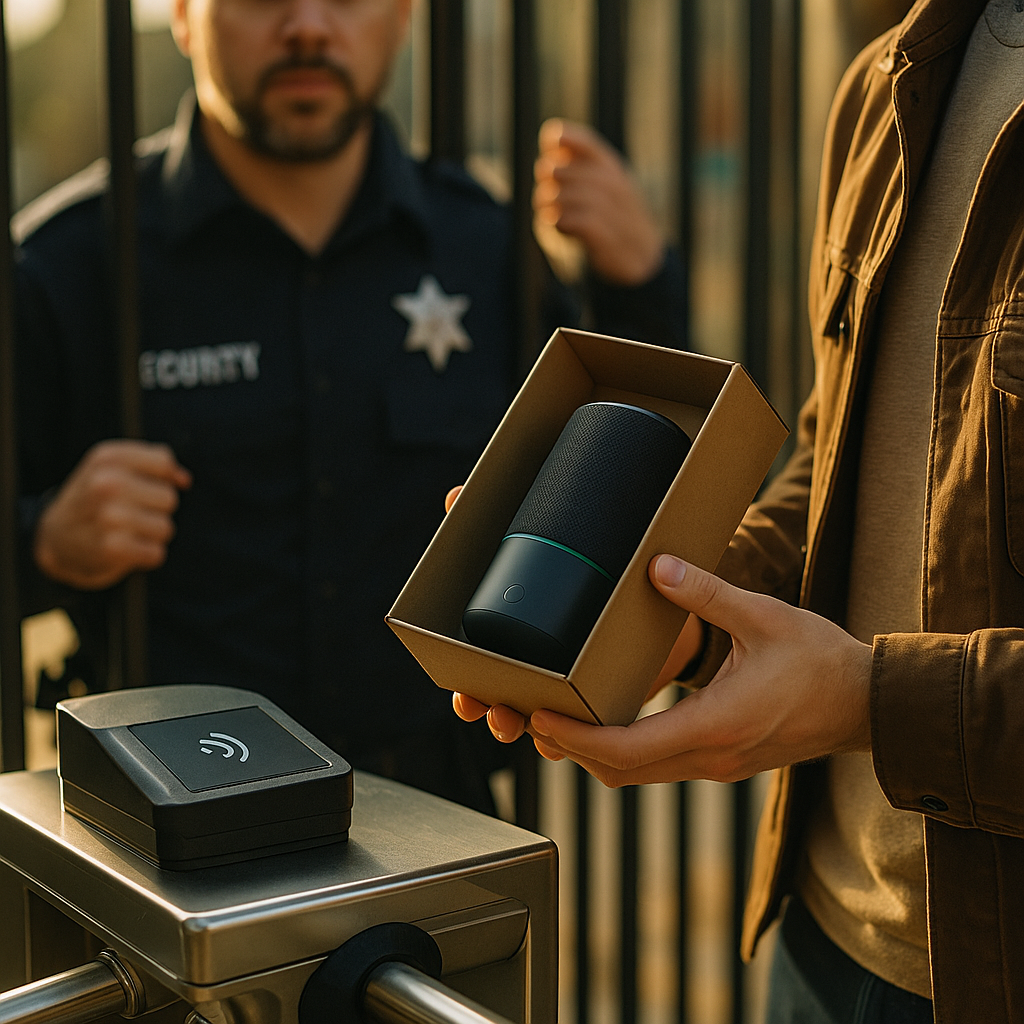
In 2025, attention is expensive, trust is fragile, and product launches happen at scroll speed. This case study shows how a fast-growing D2C brand used Gatekeeping as a Service to turn a routine drop into a controlled, high-demand event. You’ll see the exact mechanics, metrics, and guardrails—plus what to copy, what to avoid, and why it worked so well.
Gatekeeping as a Service: the problem the brand needed to solve
A premium D2C skincare brand (we’ll call it Lumen) had a classic growth challenge: ads were still driving traffic, but launch weeks felt unpredictable. Some drops sold out quickly; others stalled. Worse, bots and reseller scripts occasionally scooped up inventory, creating angry comments from real customers who couldn’t check out.
The team identified three risks that were compounding:
- Demand volatility: They couldn’t reliably forecast “launch-day intent” from paid clicks alone.
- Unfair access: Botting and rapid-fire checkouts undermined perceived fairness.
- Leaky hype: Their pre-launch community content was widely shared, but it didn’t translate into prioritized access or qualified leads.
Lumen’s goal wasn’t simply to “sell out.” They wanted a launch system that created anticipation and protected customer experience. Their north star metric became: maximize qualified access while minimizing friction for genuine buyers.
Exclusive product drop strategy: designing scarcity without alienating customers
Lumen rebuilt its drop strategy around a simple promise: “If you show up early and verify you’re real, you get a fair shot.” Instead of relying on a generic waiting room plugin, they adopted Gatekeeping as a Service—an external layer that manages controlled access rules, identity checks, and staged entry.
They designed scarcity in a way that felt earned, not arbitrary:
- Measured inventory allocation: 70% of inventory reserved for verified early-access members; 30% reserved for the public release to avoid “members-only resentment.”
- Two-stage access: A 48-hour “members window,” followed by a public drop with a shorter queue.
- Transparent rules: Limits were clear on the product page: “1 per customer, verified checkout, no exceptions.”
- Makeup for misses: Anyone who waited but missed out received a consolation benefit—free shipping on the next drop or early access to the restock.
They also softened the edges of scarcity. Scarcity can trigger backlash when it looks like manufactured drama. Lumen countered that by publishing a short FAQ on supply constraints and timing, and by setting restock expectations upfront. This protected brand trust while still giving the drop a sharp “moment.”
Hype marketing for D2C: the pre-launch funnel that made gatekeeping work
Gatekeeping only creates hype if people want to be inside the gate. Lumen built a pre-launch funnel that rewarded intent and educated buyers, so access felt valuable rather than restrictive.
The pre-launch program ran for 21 days and focused on three assets:
- Waitlist landing page: A single, fast page with clear benefits: early access, limited quantity, and a “verified buyer” promise.
- Short-form education: Product science, usage demos, and ingredient explainers, delivered as 20–40 second clips. Each post had one CTA: “Join the verified waitlist.”
- Community proof: Real customer routines and before/after stories (with consent), plus dermatologist Q&A snippets to strengthen credibility.
To avoid chasing vanity metrics, Lumen tracked:
- Waitlist conversion rate (unique landing visits → verified signups)
- Email/SMS engagement (click-to-verify rate, not just opens)
- Intent signals (add-to-calendar clicks, “notify me” confirmations)
They also answered likely follow-up questions before launch day. The confirmation email included: expected price, shipping regions, quantity limit, and how verification works. Reducing uncertainty increased show-up rates and reduced customer support load during the drop.
Bot protection and verified access: how the gate actually worked
The Gatekeeping as a Service layer sat in front of checkout and performed three jobs: verification, queue control, and purchase policy enforcement.
1) Verification
Lumen used a lightweight verification flow designed to be fast for humans and expensive for bots:
- Email + phone verification for early access (with one-time passcodes)
- Device fingerprinting to detect repeated attempts across accounts
- Risk scoring based on velocity, IP reputation, and behavior patterns
Crucially, verification was positioned as a customer benefit: “This protects your access.” That framing reduced the typical pushback around extra steps.
2) Queue control
The gate issued time-bound tokens that controlled how many shoppers could enter checkout at once. Instead of a single flood at 9:00 a.m., entry was metered. This improved site stability and reduced cart/checkout failures.
3) Purchase policy enforcement
The system enforced “1 per customer” using multiple signals—not just email—so resellers couldn’t bypass limits with quick aliasing. Attempts that looked suspicious were routed to additional verification or blocked.
What about false positives? Lumen planned for them. They added a “fast appeal” path: if a legitimate shopper got flagged, they could complete a quick secondary check and re-enter the queue without losing their place. This detail mattered. Fairness isn’t just blocking bad actors; it’s minimizing collateral damage for real customers.
Launch day operations: queue management, messaging, and conversion lift
Lumen treated launch day like a live event with a runbook. Gatekeeping as a Service gave them control, but they still needed tight operations to avoid confusion.
On-site experience
- Status clarity: The gate page showed queue position, estimated wait time, and inventory status (“limited,” “very limited,” “sold out”).
- Real-time FAQs: Short answers for “Why am I in a queue?” “How long do I have?” “Can I refresh?”
- Time-boxed checkout: Once inside, shoppers had a clear purchase window, reducing hoarding behavior.
Off-site communication
- SMS triggers: “You’re up” messages fired when a customer’s token became active.
- Social transparency: A pinned post explained that the brand was metering access to protect fairness and site performance.
- Customer support macros: Prewritten, consistent answers prevented mixed messages that erode trust.
Outcomes (internal, campaign-specific)
Lumen compared this gated drop to their prior similar launch (same price tier, similar inventory). They saw:
- Higher checkout completion due to fewer payment and cart errors during peak concurrency
- Lower refund and cancellation rates because resellers had fewer successful purchases
- More repeatable demand signals: verified waitlist size and show-up rate became reliable predictors for future inventory planning
They also learned something counterintuitive: the queue itself became marketing. Customers screenshot their place in line and posted it, which amplified social proof. Because the rules were transparent, that amplification read as excitement—not manipulation.
Retention and brand trust: turning hype into long-term revenue
Hype can spike revenue, but it can also create a “one-and-done” audience if customers feel used. Lumen focused on retention immediately after the drop.
Post-drop sequence
- Buyer onboarding: a short routine guide, usage tips, and when to expect results—reducing returns and improving satisfaction.
- Missed-drop recovery: everyone who verified but didn’t get product received priority access to the restock and a small perk.
- Community feedback loop: verified members voted on the next scent/format, turning the gate into an ongoing relationship rather than a one-time barrier.
EEAT guardrails that kept trust intact
- Experience: Lumen used real customer routines and documented how the product fits into daily use.
- Expertise: ingredient and safety claims were reviewed with a qualified skincare professional; claims were worded conservatively.
- Authoritativeness: the brand cited testing methodology on product pages (what was tested, by whom, and what it means).
- Trust: the gate rules were consistent across channels, and the brand explained how data is used during verification.
The biggest retention win came from a simple shift: verified access wasn’t framed as elitism. It was framed as customer protection—a way to keep bots out and keep the checkout functional. That framing increased opt-in rates for future drops.
FAQs: Gatekeeping as a Service for D2C launches
What is Gatekeeping as a Service in eCommerce?
It’s a managed layer that controls access to a site or checkout during high-demand moments. It typically includes identity verification, queueing, rate limiting, bot detection, and rules like purchase limits—without the brand building that infrastructure in-house.
Will a queue reduce conversion rates?
A poorly designed queue can. A well-designed queue often improves completion during traffic spikes by preventing site crashes and checkout errors. The key is clarity (wait times, rules) and messaging that explains the benefit to the customer.
How do you prevent resellers without blocking real customers?
Use layered signals (email/phone verification, device patterns, risk scoring) and add an appeal path for false positives. Enforce purchase limits using more than one identifier so aliasing doesn’t bypass rules.
Is gatekeeping only for massive brands?
No. It’s valuable for smaller D2C brands with limited inventory because a single bot wave can wipe out stock and damage trust. Even modest traffic spikes can overwhelm checkout if conversion happens in a tight time window.
What should you measure to know it’s working?
Track verified waitlist conversion, show-up rate, checkout completion rate, fraud/chargeback rates, support ticket volume during the drop, and repeat purchase behavior from verified members versus general traffic.
How do you explain verification without losing customers?
Position it as fairness and protection: “This prevents bots and keeps checkout stable.” Keep it fast (one-time codes), be transparent about data use, and offer help if someone gets flagged incorrectly.
Gatekeeping as a Service helped Lumen turn a stressful launch into a controlled event: verified demand, fewer bots, steadier checkout performance, and a community that understood the rules. The takeaway is simple: hype works best when access feels fair. If you plan the funnel, communicate clearly, and measure the right signals, gatekeeping becomes a growth lever—not a barrier.