


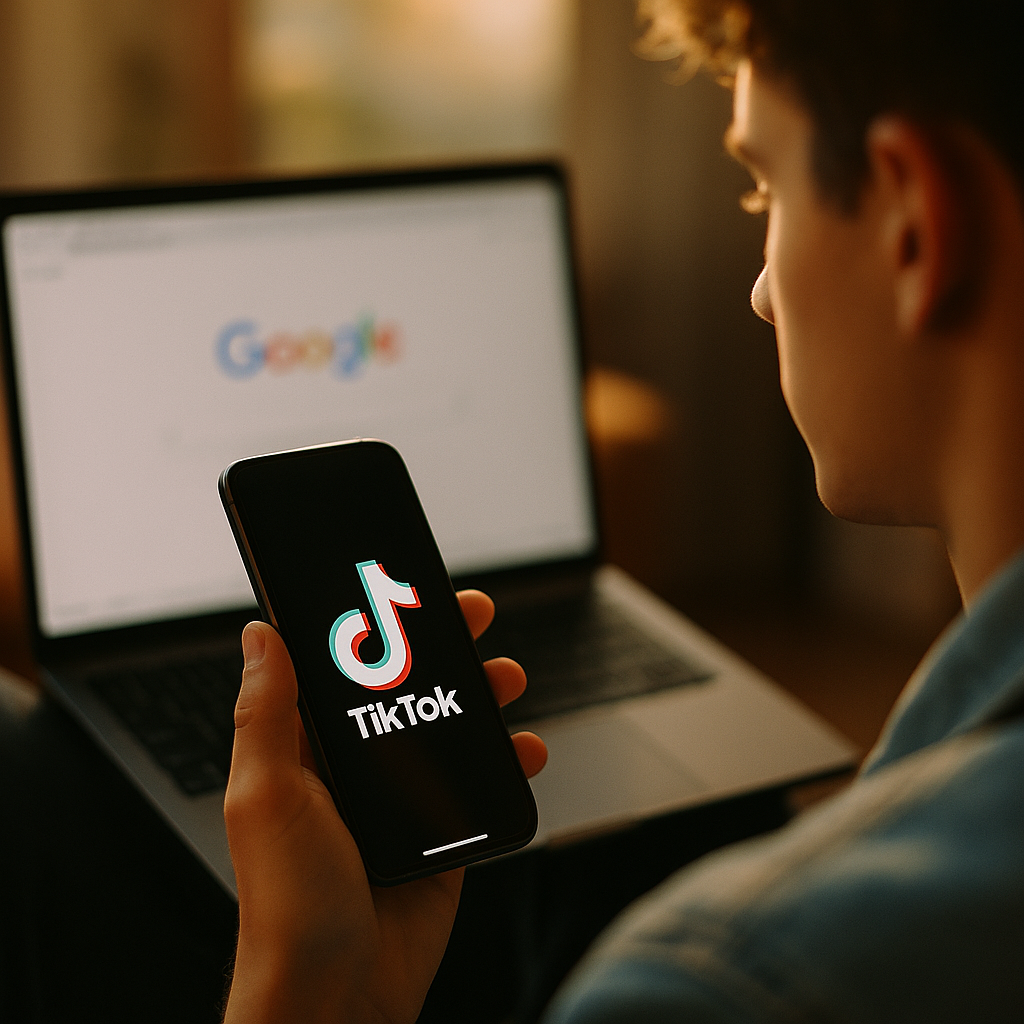
Gen Z prefers search on TikTok over Google, signaling a dramatic shift in digital habits. With the rise of short-form videos and visual learning, platforms like TikTok have become go-to resources for quick, relatable answers. Why are traditional search engines losing ground—and what does this mean for information seekers in 2025? Read on to uncover the trends reshaping online search.
How TikTok Reshapes Search Habits for Gen Z
The evolution of search among Gen Z is shaped by their preference for interactive, visually-rich content. Unlike the straightforward results on Google, TikTok delivers engaging video answers, tailored by algorithm and relatability. According to an April 2025 survey by Pew Research, 78% of Gen Z respondents said they regularly use TikTok to search for topics ranging from recipes to news snippets, lifestyle trends, and educational hacks.
This demographic values authenticity and a sense of connection—features that TikTok’s creator-driven ecosystem excels at. Video clips offer not just answers but personal stories, step-by-step demonstrations, and honest reviews. In today’s fast-paced digital environment, Gen Z is less interested in reading long articles or sifting through ads; they crave immediacy, community, and personalized content.
The Role of Visual Search and Discoverability
TikTok’s strength lies in its superior visual search and discoverability features. Instead of typing keywords into a box and wading through text-heavy pages, Gen Z users simply input their query or explore using hashtags and trending audio. The platform’s algorithm surfaces highly relevant, trending, and entertaining videos within seconds.
This visual-first approach caters to how Gen Z processes information. A July 2025 study by eMarketer highlights that 92% of Gen Z finds it easier to learn new skills through short videos compared to text-based guides. TikTok’s content is compact and immediate—avoiding the overload of SEO spam, duplicated content, and intrusive advertisements that often slow down Google search results.
Social Validation and Creator Trust on TikTok
Unlike static web pages, TikTok’s search results come packed with community feedback and real-time validation. Likes, comments, shares, and stitches allow Gen Z to instantly gauge the usefulness and authenticity of information. They can scroll through multiple perspectives in seconds, often following up with questions in the comments and receiving direct video responses from creators.
In 2025, trust is paramount. Google reviews and Wikipedia entries feel anonymous to many young users. On TikTok, personality-driven content fosters connection and credibility. “People want to see someone doing it, not just telling them,” explains digital sociologist Dr. Emily Chu. This demand for peer-to-peer knowledge sharing cements TikTok as a trusted resource for recommendations, tutorials, and how-tos.
Speed, Relevance, and Personalization in Search Results
Gen Z’s digital expectations revolve around speed and relevance. TikTok’s powerful algorithm tailors recommendations based on user interaction, preferences, and watch time. Each search experience is uniquely personalized, often predicting queries before users complete them.
Traditional search engines like Google offer a breadth of information but often present overwhelming options or outdated results. In contrast, TikTok’s rapid, succinct videos let users scan, skip, or deep-dive in a matter of moments. Search carousels and “For You” feeds surface timely trends, helping Gen Z stay ahead of conversations—and instantly access practical tips, real reviews, and fresh perspectives.
The Limitations of Google Search for Gen Z
While Google remains invaluable for in-depth research or academic study, Gen Z finds it less adaptable for daily, real-life queries. Sponsored links, decreasing organic visibility, and text-heavy formats slow down the discovery process. Furthermore, many educational and lifestyle queries are now dominated by SEO-optimized but low-value “content farms”, reducing the sense of personal connection.
Gen Z also points out Google’s lack of interactive features. There’s little room for collaboration or dialog; feedback is static and rarely leverages multimedia. For questions about style, hacks, or new products, they turn to TikTok’s crowd-sourced knowledge base. This not only saves time but enables participation—a crucial feature for a generation raised on social networks.
Implications for Educators, Brands, and Marketers
The shift from Google to TikTok search has significant implications for content creators, educators, and brands. Visual storytelling and community engagement are crucial to capturing Gen Z’s attention. As short-form video becomes the primary medium, businesses need to rethink SEO strategies, focusing on authenticity, interactivity, and creator partnerships.
Educators are leveraging TikTok for micro-learning modules and real-world demonstrations, bringing lessons to life through challenges and duet features. For marketers, success in 2025 means investing in relatable influencer collaborations and adopting a “bite-sized” content approach for discoverability and engagement.
Conclusion: The Future of Search Belongs to TikTok—and Gen Z
In 2025, Gen Z’s preference for search on TikTok over Google is transforming how we find, trust, and share information. Short-form videos, authentic creator voices, and instant community feedback have redefined digital discovery. To stay relevant, educators and brands must embrace these evolving platforms—because for the next generation, search is now social, visual, and personal.
FAQs: Why Gen Z Prefers Search On TikTok Over Google
-
Is TikTok a reliable source of information for Gen Z?
TikTok’s reliability varies by creator and topic. Gen Z relies on creator reputation, community feedback, and corroboration across multiple videos. For critical or academic topics, they still consult traditional sources alongside TikTok content. -
What types of searches are Gen Z doing on TikTok?
Gen Z uses TikTok for lifestyle tips, recipes, fashion inspiration, tech hacks, product reviews, educational content, and trending news. Quick, practical, and community-validated answers are the top draws. -
Is Google becoming obsolete for younger users?
Google remains important for in-depth research and fact-based queries. However, for fast answers, tutorials, or lifestyle trends, Gen Z often favors TikTok’s visual, interactive format. -
Can brands and educators adapt to Gen Z’s search behavior?
Yes. By creating engaging, short-form video content and partnering with creators, brands and educators can reach Gen Z where they prefer to search and learn. -
How does TikTok ensure personalized search results?
TikTok’s algorithm customizes content feeds based on user behavior, preferences, and engagement history, ensuring that each search surfaces relevant and timely video recommendations.