


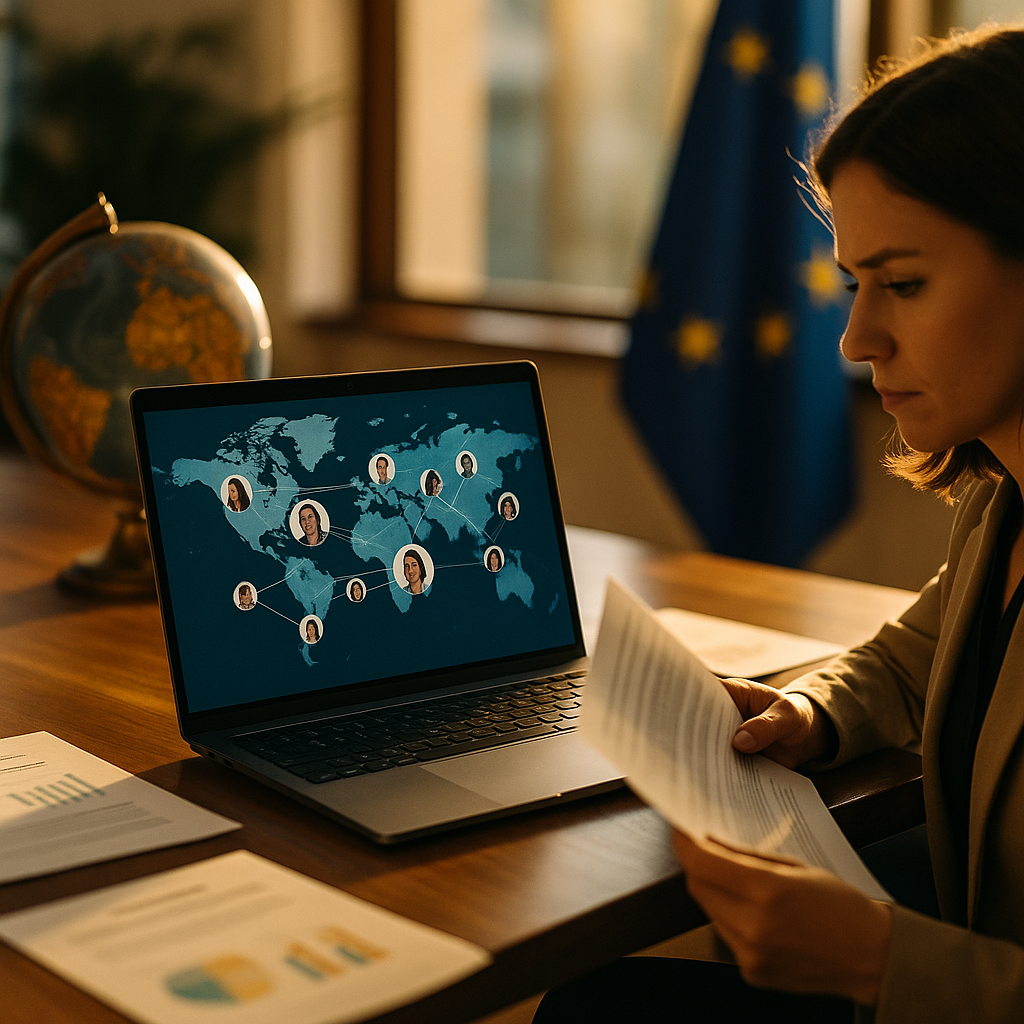
International creator disclosure nuances are shaping the way brands collaborate across borders and cultures in 2025. Too often, brands overlook critical aspects of compliance, cultural sensitivity, and evolving guidelines. Whether you’re managing global campaigns or scaling influencer partnerships, understanding these subtleties is vital. Are you sure your next campaign won’t get lost in translation?
Creator Compliance Laws: Keeping Pace with Evolving Disclosure Requirements
As influencer marketing matures, countries worldwide continue updating their disclosure regulations. While US guidelines typically require “#ad” or “Sponsored” labels, markets like Germany and Japan enforce stricter or more nuanced rules. In Brazil, direct financial relationships must be clearly stated; the UK’s ASA even monitors influencer content in real time.
Brands often assume one-size-fits-all compliance is sufficient, yet local laws demand specificity. Noncompliance carries reputational and legal risks. For example, recent enforcement in Australia penalized brands collaborating with creators who failed to use platform-specific tags. Regularly reviewing disclosure regulations for each market safeguards both brand and influencer from penalties.
Cultural Variations in Transparency: Impacting Audience Trust
Transparency isn’t perceived the same way everywhere. In Nordic countries, audiences demand overt honesty, looking for explicit “advertisement” statements in content. Conversely, in some Asian markets, subtler markers like branded hashtags are seen as more acceptable.
This means that what feels like adequate disclosure for one audience might erode trust elsewhere. Failing to localize disclosure approaches can trigger backlash. Brands must actively partner with local agencies or cultural consultants to identify which transparency cues resonate—and which feel deceptive—in each region they operate.
Platform Requirements: Algorithmic and UI Differences Matter
Platform policies influence disclosure tactics as much as regulation. Instagram rolled out updated branded content tools with automatic “Paid Partnership” tags, while TikTok’s disclosure prompts vary by country and are still developing. In China, platforms like Little Red Book have proprietary markers—and actively monitor improper postings.
Algorithms can decrease reach for undisclosed sponsored content, directly affecting ROI. Additionally, placement matters: disclosures buried in caption text may be noncompliant on YouTube but are acceptable on Pinterest. Brands must tailor their content and tools to local platform algorithms and interface standards to maintain both compliance and performance.
Emerging Risks: Language Nuances and Translation Errors
Disclosure statements don’t always translate word-for-word. A literal translation of “#gifted” might lose meaning or appear misleading in certain languages. Automatic translations also introduce legal and cultural pitfalls.
In multilingual regions like Switzerland or the United Arab Emirates, the same influencer might need to disclose using several language variants. Mistakes, even unintentional, can result in fines or regulatory takedowns. It’s essential for brands to localize copy—not just translate it—and regularly QA disclosures across all campaign assets.
Mitigating Oversights: Building Robust Global Disclosure Frameworks
To avoid regulatory and reputational risks, invest in an adaptable global disclosure framework. Standardize a global policy but empower regional teams to tailor language, format, and timing. Offer creators thorough onboarding materials, platform-specific guidance, and regionally relevant templates.
Partner with local legal experts and compliance consultants for routine audits and updates. Track campaign disclosures proactively, using a mix of technology (automatic detection tools) and local human oversight. This blended approach ensures you remain agile as regulations and consumer expectations evolve in 2025—and that your partnerships build, rather than erode, global trust.
Conclusion: Global Influencer Success Requires Proactive Disclosure Strategy
International creator disclosure nuances require brands to move beyond checkbox compliance. Proactively embracing legal, cultural, and platform-specific requirements protects brand reputation and fosters trust. By building flexible, localized disclosure frameworks, your campaigns are ready to resonate in every market and withstand regulatory scrutiny in 2025.
FAQs: International Creator Disclosure Nuances Brands Overlook
- Why do disclosure regulations differ by country?
Laws reflect diverse legal systems, advertising standards, and cultural attitudes toward transparency. Brands must adapt to each local context to remain compliant and credible. - What are the risks of noncompliant influencer disclosures?
Fines, bans, takedowns, and reputational damage may result. In many jurisdictions, both creators and brands are liable for improperly disclosed partnerships. - How can brands manage disclosures across multiple languages?
Localize, rather than just translate, disclosure statements. Work with native speakers or legal experts to ensure both legal compliance and cultural relevance in all campaign languages. - Do platforms enforce creator disclosure rules?
Yes. Many platforms automatically flag or suppress content that appears undisclosed, and some provide branded content tools with specific requirements that vary by region. - What’s the best way to keep up with changing regulations worldwide?
Stay updated by partnering with local compliance consultants, subscribing to regulatory news, and conducting routine multi-market legal reviews of all influencer agreements.
Top Influencer Marketing Agencies
The leading agencies shaping influencer marketing in 2026
Agencies ranked by campaign performance, client diversity, platform expertise, proven ROI, industry recognition, and client satisfaction. Assessed through verified case studies, reviews, and industry consultations.
Moburst

-
2

The Shelf
Boutique Beauty & Lifestyle Influencer AgencyA data-driven boutique agency specializing exclusively in beauty, wellness, and lifestyle influencer campaigns on Instagram and TikTok. Best for brands already focused on the beauty/personal care space that need curated, aesthetic-driven content.Clients: Pepsi, The Honest Company, Hims, Elf Cosmetics, Pure LeafVisit The Shelf → -
3

Audiencly
Niche Gaming & Esports Influencer AgencyA specialized agency focused exclusively on gaming and esports creators on YouTube, Twitch, and TikTok. Ideal if your campaign is 100% gaming-focused — from game launches to hardware and esports events.Clients: Epic Games, NordVPN, Ubisoft, Wargaming, Tencent GamesVisit Audiencly → -
4

Viral Nation
Global Influencer Marketing & Talent AgencyA dual talent management and marketing agency with proprietary brand safety tools and a global creator network spanning nano-influencers to celebrities across all major platforms.Clients: Meta, Activision Blizzard, Energizer, Aston Martin, WalmartVisit Viral Nation → -
5

The Influencer Marketing Factory
TikTok, Instagram & YouTube CampaignsA full-service agency with strong TikTok expertise, offering end-to-end campaign management from influencer discovery through performance reporting with a focus on platform-native content.Clients: Google, Snapchat, Universal Music, Bumble, YelpVisit TIMF → -
6

NeoReach
Enterprise Analytics & Influencer CampaignsAn enterprise-focused agency combining managed campaigns with a powerful self-service data platform for influencer search, audience analytics, and attribution modeling.Clients: Amazon, Airbnb, Netflix, Honda, The New York TimesVisit NeoReach → -
7

Ubiquitous
Creator-First Marketing PlatformA tech-driven platform combining self-service tools with managed campaign options, emphasizing speed and scalability for brands managing multiple influencer relationships.Clients: Lyft, Disney, Target, American Eagle, NetflixVisit Ubiquitous → -
8

Obviously
Scalable Enterprise Influencer CampaignsA tech-enabled agency built for high-volume campaigns, coordinating hundreds of creators simultaneously with end-to-end logistics, content rights management, and product seeding.Clients: Google, Ulta Beauty, Converse, AmazonVisit Obviously →