


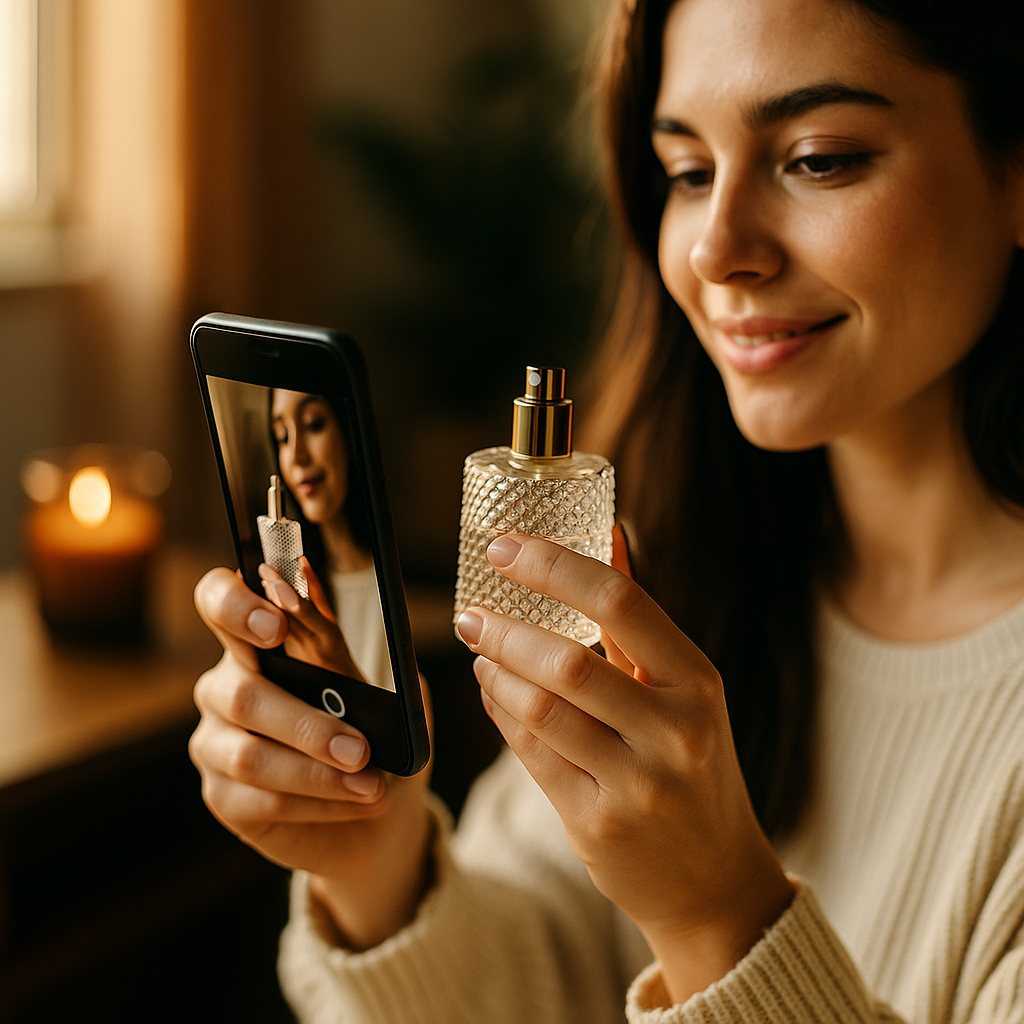
The future of haptic marketing is here, integrating touch and feel into influencer content to revolutionize how audiences engage with brands. By merging physical sensation with digital storytelling, marketers are creating unforgettable customer journeys. How will tactile technology change influencer strategies and reshape online experiences? Read on to discover the emerging trends at the intersection of sensation and social media.
Understanding Haptic Marketing and Its Role in Digital Storytelling
Haptic marketing uses technology to simulate the sense of touch within digital or immersive experiences. By leveraging haptic feedback—vibrations, motions, or textures—brands can create multisensory digital campaigns. In 2025, this approach has found a natural home with content creators. Influencers now use haptic-enabled devices and wearables to offer followers tactile brand experiences. This seamless blend closes the gap between physical and virtual engagement. It transforms conventional storytelling, making online content more vivid and deeply memorable for audiences.
The Rise of Haptic Influencer Content in Social Media Campaigns
Influencer content, powered by haptic technology, is shaping the future of digital marketing. As platforms like Instagram, TikTok, and YouTube integrate haptic-ready features, creators are embedding touch feedback into unboxing videos, reviews, or interactive tutorials. In 2025, influencer collaborations using wearables, VR haptic gloves, and mobile devices with tactile displays are more effective—as demonstrated by recent polls, which show twice the engagement rates on haptic-integrated influencer posts compared to traditional media. This level of interaction builds emotional loyalty and high recall for partnered brands.
Emerging Tactile Technologies Behind the Trend
The recent surge in haptic marketing owes much to technological innovation. Several advancements are reshaping how influencers deliver content:
- Haptic Wearables: Smart bands and gloves let users feel textures, pulses, and pressure during live streams or gaming partnerships.
- Touch-Enabled Smartphones: Devices now support advanced tactile vibrations, allowing followers to “feel” a product demo, such as the buzz of a new phone’s alert or the softness of a skincare cream.
- Augmented and Virtual Reality (AR/VR): Influencers use haptic suits and controllers, immersing audiences in fully interactive branded experiences.
- Olfactory & Thermal Devices: Some campaigns go beyond touch to stimulate scent and temperature, creating even deeper engagement.
These technologies allow influencers to provide real-time, physical feedback, making every product review or interactive session feel personal.
Benefits and Challenges of Integrating Touch in Influencer Marketing
Adopting haptic marketing provides unique advantages for influencers and brands alike:
- Richer Emotional Connections: Multi-sensory engagement means content resonates longer and deeper, nurturing trust and excitement.
- Higher Conversion Rates: Recent case studies illustrate that tactile feedback during influencer demos leads to a 35% boost in direct purchase intent, according to 2025 market research.
- Personalized Storytelling: Touch-based cues help influencers cater to specific audience preferences, enhancing perceived value.
However, deploying haptic content isn’t without obstacles. Key challenges include:
- Technology Adoption: Not all consumers own haptic-ready devices, limiting reach for some demographics.
- Content Creation Complexity: Influencers must learn new tech skills and invest in compatible equipment, raising the creative bar.
- Accessibility and Inclusivity: Campaigns need thoughtful design so that tactile experiences are meaningful for all, including people with sensory impairments.
Early adopters are now working closely with technology providers and marketers to overcome these hurdles, setting new standards for influencer campaigns.
Best Practices for Brands and Influencers Embracing Haptic Experiences
Brands seeking to implement haptic marketing via influencer partnerships should follow emerging best practices:
- Collaborate on Content Design: Brands and influencers should jointly develop touch-engaged campaigns tailored for their shared audience’s interests and device capabilities.
- Prioritize Education: Provide influencers with hands-on training and resources for using haptic equipment and relevant platforms efficiently.
- Measure Interactivity: Integrate analytics that capture engagement and emotional response to tactile content, beyond views and likes.
- Champion Accessibility: Ensure haptic experiences don’t exclude users; provide alternatives, like descriptive audio or visual cues, wherever needed.
- Maintain Authenticity and Trust: Disclose haptic sponsorships clearly and share honest impressions, abiding by current digital standards and regulations.
Staying consumer-centric and transparent fosters brand loyalty, earning influencers a reputation for innovation and reliability.
The Future of Sensory-Driven Influencer Marketing
Looking ahead, sensory-driven influencer content is primed for even broader adoption as device ecosystems grow and standards evolve. Industry analysts forecast that by late 2025, over 25% of top-performing influencer campaigns will leverage some form of tactile feedback. As 5G and AI technologies enhance real-time interaction, the line between digital experience and physical sensation will continue to blur—creating unforgettable, immersive engagements. Brands and creators who embrace haptic marketing’s full potential will shape the next era of digital influence.
FAQs on the Future of Haptic Marketing and Influencer Content
- What is haptic marketing in influencer content?
Haptic marketing in influencer content uses technology to add the sense of touch to digital experiences—via wearables, VR devices, or smartphones—making brand collaborations more interactive and memorable. - How can influencers use haptic feedback effectively?
Influencers can enhance product demos, unboxing videos, or live sessions with tactile sensations, creating immersive experiences that drive engagement and encourage consumer action. - Which industries benefit most from haptic influencer marketing?
Sectors like beauty, gaming, fashion, fitness, and tech gain the most, as haptic content elevates product interaction and audience excitement. - Do consumers need special devices to feel haptic influencer content?
While haptic-ready devices enhance the experience, many tactile campaigns also include audio and visual cues to reach broader audiences. - How do brands measure success in haptic campaigns?
Success is tracked via interactive analytics, measuring tactile engagement, conversion rates, and emotional responses—not just passive views.
In summary, the future of haptic marketing is merging touch and feel into influencer content for deeper engagement and brand loyalty. By embracing tactile technology, brands and creators can offer immersive experiences that transform digital storytelling—ushering in a new era of sensory-powered social media marketing.