


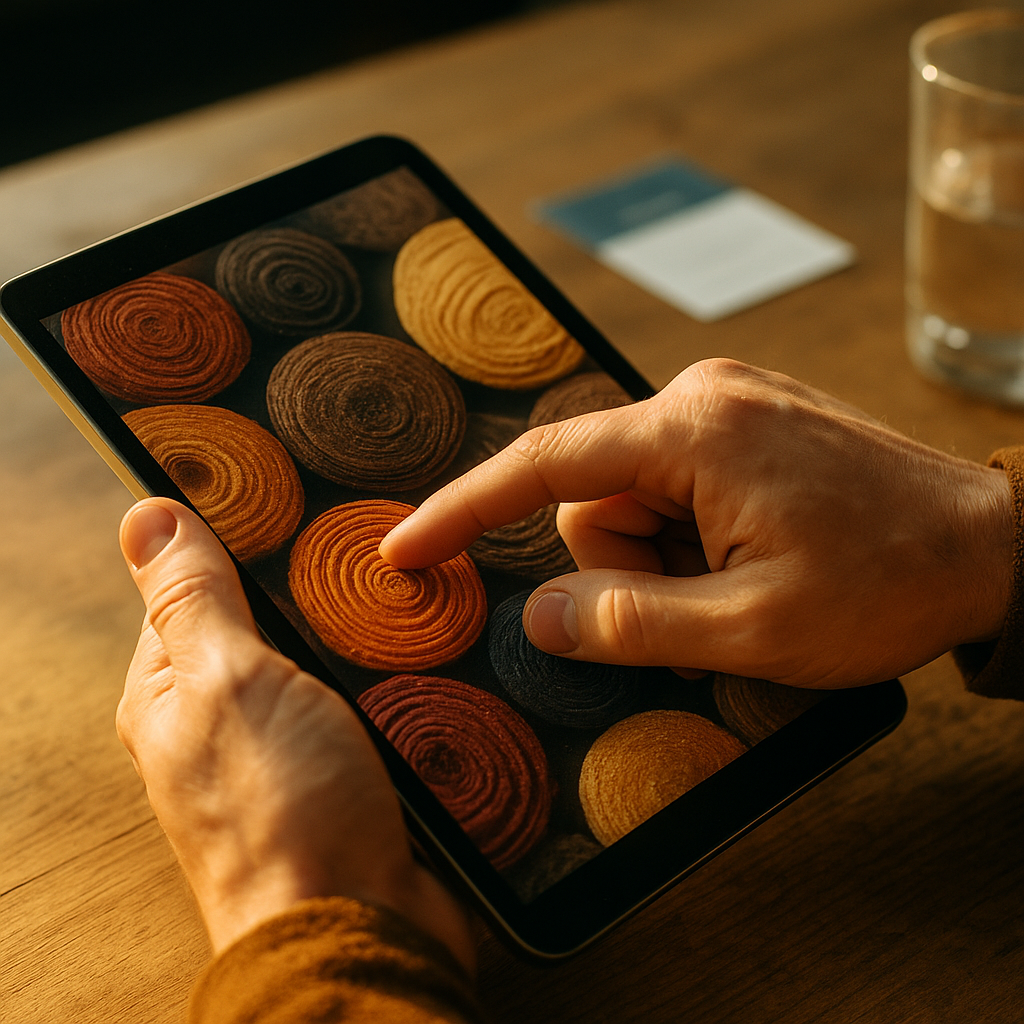
In 2025, attention is scarce and screens feel interchangeable, so brands are searching for experiences that cut through. The future of haptic marketing points to a practical shift: adding touch cues to digital content so people can feel what they watch, read, and buy. From subtle phone vibrations to wearable feedback, touch can turn passive scrolling into engagement—if you design it well. Ready to feel content differently?
Why Haptic Marketing Matters For Digital Engagement
Digital content competes in a crowded environment where many formats—short video, social posts, product pages, podcasts—blend into one continuous feed. Touch is different because it is immediate and bodily. When a device provides tactile feedback, it can create a moment of “presence” that interrupts autopilot behavior and reinforces meaning.
Haptic marketing uses tactile cues—vibration patterns, pressure, texture simulation, force feedback, and micro-movements—to support brand messages and guide user actions. The goal is not to “gamify everything,” but to add a sensory layer that improves comprehension, confidence, and emotional response while keeping the experience accessible.
In 2025, three forces make touch more relevant than ever:
- Device readiness: Most smartphones and many wearables already support advanced vibration control, enabling nuanced “tactile language” rather than simple buzzing.
- Commerce pressure: As online shopping remains dominant, customers still miss physical inspection. Haptics can reduce uncertainty by providing feel-based cues and guided interactions.
- Experience differentiation: Content platforms look similar. Touch can become a signature element—like sound branding—when used consistently and responsibly.
If you’re wondering whether haptics only fit gaming or AR/VR, the answer is no. Touch can enhance everyday content consumption: confirming a payment, previewing a product’s “click,” pacing a story beat, or providing discreet guidance during a tutorial.
Tactile Feedback Technology Powering Immersive Content
To integrate touch into content, you need to understand the building blocks. Most haptic experiences are created through combinations of actuators (hardware that moves) and software patterns (how and when it moves). The tech landscape in 2025 supports multiple levels of sophistication.
Common haptic modalities used in content:
- Vibrotactile patterns: The most common approach on phones and wearables. By varying intensity, duration, and rhythm, creators can signal events (confirmation, warning, progression) or convey “texture-like” impressions.
- Force feedback: Resistance or pushback, typically in controllers, steering wheels, or specialized devices. Useful for training content, product demos, and interactive storytelling.
- Surface haptics: Touchscreen-based effects that simulate friction changes or micro-vibrations to mimic textures. This can make UI elements feel more “physical.”
- Wearable haptics: Wristbands, rings, vests, and other wearables that deliver directional cues or pulses. Valuable when the user’s eyes are busy (fitness, navigation, on-the-go learning).
Where this shows up in real content workflows: producers can attach haptic tracks to video moments (like an audio track), designers can map tactile responses to UI states, and commerce teams can connect haptics to key conversion moments (add-to-cart, size selection, delivery choice).
Readers often ask, “Will this require new apps?” Not always. Many haptic interactions can be delivered via native device capabilities inside existing apps. For more advanced tactile storytelling, brands may use dedicated experiences (for example, interactive product showcases) or partner with platforms that support haptic timelines.
Multi-Sensory Branding And Consumer Psychology Of Touch
Touch affects perception in ways that can strengthen brand memory and increase confidence in decisions. The psychological value comes from two key dynamics: salience (touch stands out) and reinforcement (a tactile cue paired with a message increases recall).
How touch supports brand outcomes:
- Clarity: A distinct “success” pulse after completing a task reduces uncertainty and improves perceived usability.
- Emotion: Gentle, rhythmic patterns can amplify calm or anticipation when paired with audio and visuals.
- Trust: Consistent tactile confirmations can make transactions and selections feel more reliable, especially in high-stakes steps like payment or identity checks.
- Attention steering: Tactile cues can guide users to the next step without intrusive popups or extra copy.
That said, haptics can backfire if they feel manipulative or distracting. Users have strong preferences around vibration, and many rely on low-haptic settings for comfort. In 2025, responsible brands treat haptics like sound: intentional, optional, and consistent with identity.
Practical guidance for a “tactile brand voice”:
- Create a small pattern library: 5–8 reusable patterns (confirm, error, warning, progress, reward). Keep them distinct.
- Match intensity to meaning: Reserve stronger feedback for critical events. Overuse reduces impact.
- Align with tone: A luxury brand may use restrained, soft cues; a sports brand may use sharper, energetic pulses.
If you’re thinking, “Does touch influence everyone the same way?” No. Sensory sensitivity varies widely, which is why personalization and accessibility controls are part of best practice, not an add-on.
AR/VR Shopping Experiences And Haptic Commerce
Commerce is one of the clearest use cases for integrating touch into content consumption. Product pages are content, and the purchase decision often depends on “feel” signals that digital lacks—clickiness, weight, texture, and resistance. Haptics won’t fully replicate physical inspection, but it can reduce hesitation by adding informative cues.
High-impact haptic commerce scenarios in 2025:
- Guided fit and sizing: Wearables can deliver subtle pulses when users reach correct measurement positions in an AR sizing flow.
- Material preview: Surface haptics can simulate coarse vs. smooth impressions during fabric browsing, paired with close-up visuals and clear labeling.
- Interactive “mechanical feel” demos: For products like buttons, switches, or camera shutters, haptics can mimic a click response during a 3D demo.
- Checkout confidence cues: A consistent, gentle confirmation pattern can reassure users at payment and order confirmation steps.
What to prioritize for credibility (EEAT): be explicit about what the haptic cue represents. If a vibration implies “premium feel,” ensure the claim is supported by real product attributes and clearly communicated. Avoid making haptics a substitute for truthful product descriptions, return policies, or customer reviews.
Teams also ask: “Will haptics increase conversions?” It can, but only when it reduces friction or increases clarity. The most reliable gains come from improving usability—fewer errors, higher task completion, and stronger confidence—rather than from novelty.
Accessibility, Ethics, And Privacy In Touch-Based Advertising
Touch is intimate. That makes it powerful, but it also increases the responsibility to protect users from discomfort, manipulation, and unwanted interruptions. In 2025, haptic design must be accessible by default and respectful in advertising contexts.
Accessibility and comfort essentials:
- Opt-in and easy controls: Let users enable, reduce, or disable haptics without hunting through settings.
- Do not rely on haptics alone: Pair tactile cues with visual and/or audio alternatives so information is not lost.
- Avoid excessive intensity or repetition: Overstimulation can cause discomfort, especially for users with sensory sensitivities.
- Respect “Do Not Disturb” contexts: Avoid promotional haptic interruptions during quiet hours or focus modes.
Ethics in touch-based persuasion: Haptics can nudge behavior by creating urgency or reward sensations. Ethical practice means using touch to clarify and guide, not to pressure. For example, a subtle pulse that confirms a selection is helpful; repeated “reward buzzes” that push users toward add-ons can erode trust.
Privacy considerations: Haptic interactions can generate behavioral signals (timing, responsiveness, interaction patterns). Treat this data like other engagement analytics: minimize collection, anonymize when possible, and disclose clearly. If personalization is offered (for example, “choose your tactile intensity”), store preferences transparently and allow deletion.
If you run ads, the follow-up question is, “Can haptics be used in ads without annoying people?” Yes—when ads use haptics sparingly, only with consent, and when the tactile cue serves a clear function (like confirming an interaction) rather than hijacking attention.
Content Strategy And Measurement For Haptic User Experience
Haptics works best when it is treated as a content layer with measurable goals, not as a gadget feature. That means defining what “success” looks like, designing patterns that support it, and validating with testing.
How to integrate haptics into your content strategy:
- Start with user intent: Identify moments of uncertainty (form completion, choosing options, navigation) and apply touch to reduce doubt.
- Map a tactile journey: Decide where touch adds meaning—onboarding, key interactions, completion moments—and where silence is better.
- Keep patterns consistent: Reuse the same confirmation and error cues across experiences to build familiarity.
- Design for context: A commute scenario (wearables) differs from a couch scenario (phone). Adjust intensity and frequency.
Measurement that supports helpful content (not vanity metrics):
- Task success rate: Are users completing key flows more reliably?
- Error rate and time-to-complete: Do tactile cues reduce mis-taps and confusion?
- Drop-off at critical steps: Especially in checkout and sign-up sequences.
- User preference adoption: How many users keep haptics enabled, reduce intensity, or turn it off?
- Qualitative feedback: Ask whether haptics felt helpful, distracting, or uncomfortable, and why.
Testing approach: Run A/B tests that compare “no haptics” vs. “purposeful haptics,” and also compare multiple pattern sets. Include accessibility reviews and device coverage checks, because haptic capabilities vary across hardware. Document your pattern library so designers and engineers implement it consistently.
Many teams also want to know how haptics fits SEO. While tactile effects themselves aren’t indexed, haptics can improve on-page experience signals: lower bounce caused by confusion, higher engagement with interactive product content, and better satisfaction—especially when supported by clear copy, fast loading, and transparent claims.
FAQs
What is haptic marketing in simple terms?
Haptic marketing uses tactile feedback—like vibrations or simulated textures—delivered through phones, wearables, or controllers to support a message or guide an interaction. It adds “feel” to digital experiences to improve clarity, engagement, and recall.
How does haptic feedback improve content consumption?
It can reinforce key moments (confirmation, warnings, progress), reduce uncertainty during tasks, and make experiences more immersive. When paired with visuals and sound, touch helps users stay oriented and can make information easier to remember.
Do users need special devices for haptic experiences?
Not always. Many experiences work on standard smartphones and smartwatches using built-in vibration motors. More advanced effects—like force feedback or texture simulation—may require specialized hardware or supported platforms.
Is haptic advertising annoying or intrusive?
It can be if it’s unexpected, too intense, or used to interrupt people. Best practice is opt-in use, minimal frequency, clear purpose (like confirming a tap), and respecting system settings such as quiet modes.
How can brands keep haptics accessible?
Provide easy controls to reduce or disable haptics, avoid relying on touch alone to convey information, and test with users who have sensory sensitivities. Keep patterns distinct but not aggressive, and ensure alternatives are available.
What metrics should I track to evaluate haptic UX?
Track task completion, error rate, time-to-complete, step-by-step drop-off, user preference settings (enabled/reduced/disabled), and qualitative feedback on comfort and usefulness. These measures show whether touch is improving the experience rather than just adding novelty.
Haptics will reshape content in 2025 by making digital interactions feel more immediate, informative, and human—when used with restraint. The strongest results come from purposeful cues that reduce friction, build confidence, and support a consistent tactile brand voice. Treat touch as a design system, not a gimmick: test patterns, respect accessibility, and earn trust through transparency. Integrate haptics where it clarifies decisions and strengthens memory, and your content will stand out.