


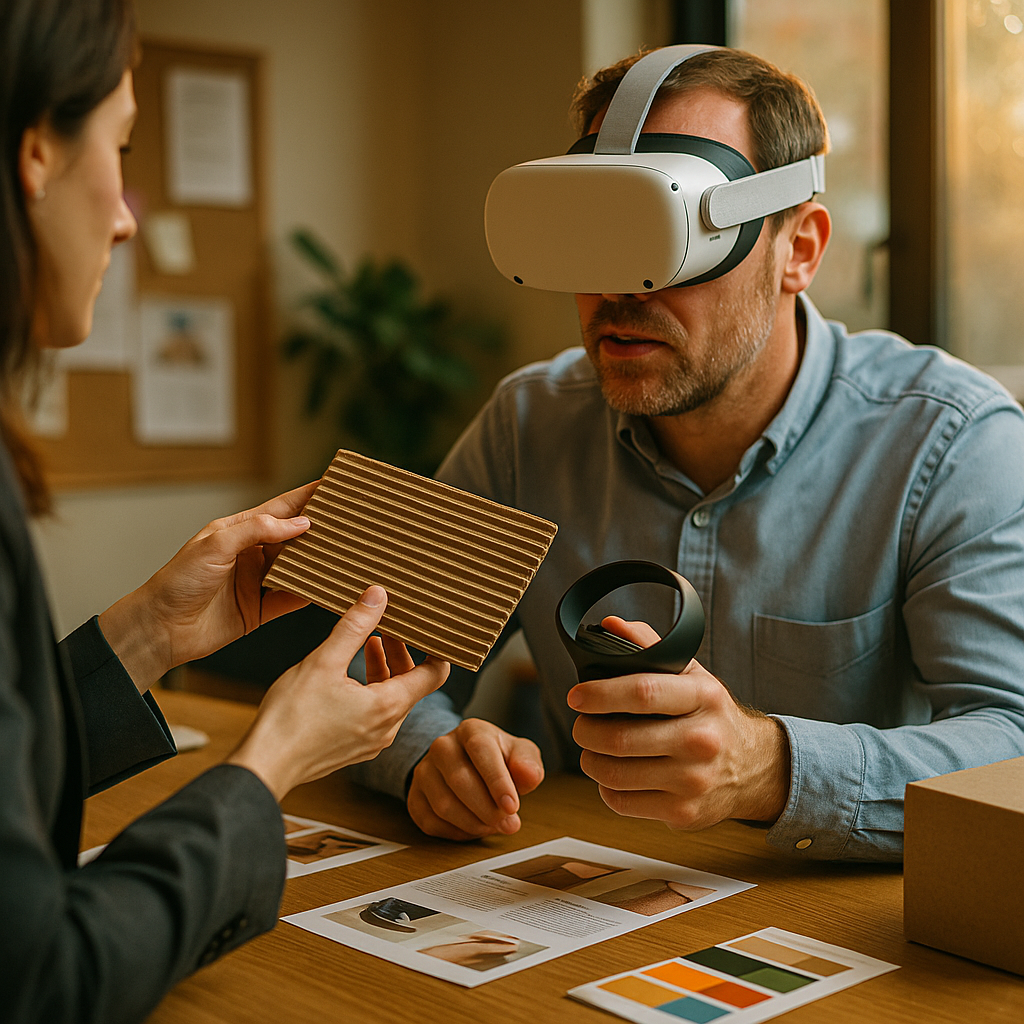
Haptic marketing is moving from novelty to strategy in 2026, giving brands new ways to make digital content feel tangible, memorable, and measurable. As screens become more immersive, touch feedback can guide attention, deepen emotion, and improve conversion across apps, games, retail, and connected devices. The question is no longer whether touch matters, but how brands should use it well.
Why haptic feedback in marketing matters now
Touch has always influenced buying behavior. Packaging texture, product weight, and in-store interactions shape trust and quality perceptions. Digital channels historically lacked that sensory layer, but haptic-enabled smartphones, wearables, game controllers, automotive interfaces, and XR devices are changing the equation. Marketers can now design experiences that users do not only see and hear, but also feel.
Haptic feedback in marketing refers to the deliberate use of vibration, pulses, pressure simulation, or tactile cues within digital experiences to reinforce a message or guide an action. Done right, it can make an app more intuitive, a product demo more convincing, or a branded interaction more emotionally resonant.
Several forces explain why this matters now:
- Mature hardware adoption: Most modern smartphones and wearables support refined haptic engines.
- Experience-led competition: As acquisition costs rise, brands need stronger retention and engagement.
- Accessibility and usability gains: Tactile cues can help users navigate interfaces more confidently.
- Growth of immersive platforms: AR, VR, gaming, and connected products create more touch-based opportunities.
From a practical marketing perspective, haptics are not a replacement for strong messaging or design. They are a multiplier. A subtle pulse that confirms a purchase, highlights a reward, or supports a guided onboarding flow can reduce friction and increase clarity. That gives haptics both branding value and performance value.
How sensory marketing trends are reshaping digital content
Sensory marketing trends increasingly favor multi-sensory experiences because attention is fragmented and audiences expect more from digital interactions. Visual overload is common. Sound can help, but many users browse with audio off. Touch offers a private, immediate signal that cuts through distraction without adding screen clutter.
This shift is especially important in content strategy. Brands are no longer limited to publishing text, image, and video assets. They can build interactive content systems where touch becomes part of the narrative. For example:
- A fitness app uses distinct haptic rhythms to signal pace changes, achievement milestones, or rest periods.
- An e-commerce app adds tactile confirmation when shoppers save items, apply filters, or complete checkout.
- A financial app uses precise haptics to confirm secure actions and reduce uncertainty during transfers.
- An automotive brand creates immersive mobile previews where tactile cues mirror vehicle features or drive modes.
The strategic takeaway is simple: touch should support intent. If the user needs reassurance, confirmation, urgency, or delight, haptics can reinforce that moment. If it is added without purpose, it becomes noise.
Brands also need to think beyond campaign moments. The future of touch in content lies in consistency across the full customer journey. A branded haptic language, just like a visual or sonic identity, can create recognition over time. That means defining patterns: what a reward feels like, what an alert feels like, what a premium interaction feels like. In 2026, that level of sensory system design is becoming a competitive advantage.
Best uses of tactile advertising in customer journeys
Tactile advertising works best when it serves a clear customer need and appears at high-intent moments. Marketers often ask where haptics can drive measurable impact. The answer depends on the platform, but several use cases stand out.
1. Onboarding and education
New users often abandon apps because the first experience feels confusing. Haptic cues can guide taps, confirm progress, and make tutorials feel more responsive. This is especially effective in fintech, health, mobility, and gaming, where flows can be complex.
2. Commerce and conversion
A tactile response during product customization, add-to-cart actions, coupon redemption, or payment confirmation can improve confidence. The effect is not magical, but it can reduce hesitation by making digital steps feel more concrete.
3. Loyalty and gamification
Rewards feel stronger when there is a physical sensation attached to them. A well-designed pulse pattern can make points, badges, streaks, and status upgrades feel more satisfying, which supports repeat engagement.
4. Premium brand storytelling
Luxury, automotive, beauty, and consumer electronics brands can use haptics in apps, interactive ads, or connected experiences to express craftsmanship, precision, or immersion. This works best when touch design aligns with the brand promise.
5. Accessibility support
Haptics can make content more usable for people who benefit from non-visual confirmation or discreet directional cues. While accessibility should never be treated as a marketing tactic, better accessibility often improves overall experience quality and trust.
To integrate touch effectively, marketers should map haptic moments to business goals:
- Identify friction points in the journey.
- Define the emotion or behavior you want to reinforce.
- Design a tactile cue that is subtle, distinctive, and consistent.
- Test whether it improves completion, retention, satisfaction, or recall.
This process keeps tactile advertising grounded in user value rather than novelty.
Building immersive brand experiences with touch
Immersive brand experiences depend on coherence. If visuals say one thing, sound says another, and touch feels random, the experience breaks. Haptic design should therefore be part of the creative brief from the start, not an afterthought added by developers at the end.
Brands that succeed with touch usually follow a few principles:
- They define a haptic identity: They create repeatable tactile patterns tied to core actions or emotions.
- They respect context: A gaming app can be more expressive than a banking app. The environment shapes tolerance.
- They design for devices users actually have: Not every phone or wearable delivers the same fidelity.
- They offer control: Users should be able to reduce or disable haptic intensity.
Consider the growing overlap between content and interface. In many digital products, the interface is the brand experience. Every tap, swipe, and micro-interaction teaches users what to expect. Thoughtful touch feedback can signal precision, warmth, urgency, calm, or reward. That makes haptics relevant not only for campaign teams but also for product marketers, UX leaders, and content strategists.
There is also strong potential in mixed-reality content, live events, retail installations, and connected products. A product launch can combine visual storytelling with synchronized tactile elements delivered through mobile devices or wearables. Retail and event marketers can use touchpoints to guide visitors, trigger interactions, or create memorable reveal moments. These executions require technical planning, but they can produce stronger recall than passive content alone.
Experience matters here. Teams should involve product, design, analytics, and legal stakeholders early. That cross-functional planning improves feasibility, protects user trust, and helps ensure haptics support meaningful outcomes rather than isolated creative experiments.
Measuring user engagement technology and haptic performance
User engagement technology has made haptics easier to test, but measurement still requires discipline. A brand should not assume touch feedback works simply because users notice it. The standard should be whether it improves the experience and supports a business goal.
Useful metrics include:
- Completion rate: Do more users finish onboarding, checkout, or setup flows?
- Time to task completion: Do users move through key steps more confidently?
- Error reduction: Are there fewer failed actions or repeated taps?
- Retention: Do users return more often after haptic-enhanced experiences?
- Satisfaction signals: Do surveys, app reviews, or support tickets indicate less confusion or more delight?
- Recall and brand lift: In campaign environments, do users better remember the interaction or brand message?
A robust testing plan usually includes A/B testing, device segmentation, and qualitative feedback. For example, a retailer may test a tactile checkout confirmation against a non-haptic version and compare conversion, abandonment, and satisfaction. A gaming brand may test whether specific reward pulses improve session length or return frequency.
Marketers should also account for user differences. What feels elegant to one audience may feel distracting to another. Cultural norms, age, context of use, and platform expectations all matter. The safest path is to start small, measure carefully, and build a library of validated patterns.
Privacy and consent are part of performance, too. If haptics are paired with behavioral personalization, brands must be transparent about data use. Trust is a core EEAT principle. Helpful content and helpful experiences both depend on honesty, clear settings, and respect for user preferences.
Challenges and future opportunities for interactive content marketing
Interactive content marketing with haptics offers major upside, but it is not without limits. Device fragmentation remains a challenge. A tactile pattern that feels refined on one phone may feel weak or harsh on another. Wearables, game controllers, and XR devices add more possibilities, but they also increase design complexity.
Another issue is overuse. Constant buzzing can annoy users, drain battery life, and weaken the impact of important cues. The best haptic systems are selective. They prioritize moments that deserve tactile emphasis and stay invisible elsewhere.
There is also a skills gap. Many content and marketing teams understand copy, visual design, and video, but fewer know how to plan, prototype, and validate tactile interactions. That will change as haptic design becomes more integrated into product and brand workflows. In 2026, forward-looking organizations are already treating touch as part of a broader experience design discipline.
Looking ahead, several opportunities stand out:
- AI-assisted personalization: Systems may adapt touch intensity or patterns based on user behavior and context.
- Cross-device orchestration: Mobile, wearable, in-car, and home devices could deliver coordinated tactile experiences.
- Richer commerce experiences: Brands may simulate product interactions more effectively in digital showrooms.
- Stronger accessibility innovation: More nuanced haptic patterns could improve guidance and comprehension.
- Standardized design languages: Industries may establish clearer conventions for tactile cues, improving usability.
The future belongs to brands that treat touch as communication, not decoration. That means understanding the user, matching tactile design to brand and context, and proving value with data. Haptics will not transform weak content into strong content. But when the underlying experience is useful and well-crafted, touch can make it more human, intuitive, and memorable.
FAQs about haptic marketing and touch in content
What is haptic marketing?
Haptic marketing is the use of tactile feedback, such as vibrations or touch-based responses, in digital experiences to support brand messaging, improve usability, and influence engagement or conversion.
How does haptic marketing improve content performance?
It can reinforce important actions, reduce uncertainty, and make digital interactions feel more tangible. This may improve completion rates, recall, satisfaction, and retention when used thoughtfully.
Which industries benefit most from haptic marketing?
Retail, gaming, fintech, health, automotive, travel, fitness, and consumer technology brands often see strong potential because they rely on frequent app interactions, guided flows, or immersive product experiences.
Are haptics only relevant for mobile apps?
No. Haptics also matter in wearables, gaming devices, connected products, vehicles, AR and VR environments, kiosks, and event-based experiences. Mobile remains the most accessible entry point for many brands.
Can haptic feedback help accessibility?
Yes. Tactile cues can support navigation, confirmations, and alerts for users who benefit from non-visual signals. Brands should still follow broader accessibility standards and test with real users.
What are the biggest risks of using haptics in marketing?
The main risks are overuse, inconsistency across devices, poor alignment with user intent, and lack of user control. Haptics should feel purposeful, subtle, and easy to disable.
How should brands start with haptic marketing?
Start with one or two high-value moments, such as onboarding, checkout, or reward interactions. Define the user goal, design a simple tactile cue, and test its impact against clear metrics.
Do haptics affect SEO directly?
Not directly. Haptics do not change search rankings on their own. However, they can improve engagement, usability, and satisfaction within apps or interactive experiences, which supports stronger brand performance overall.
What makes haptic content trustworthy and helpful?
Clear purpose, transparent data practices, accessible design, and evidence-based testing. Brands should explain settings, respect preferences, and use touch to solve real user problems rather than force attention.
Haptic marketing is becoming a practical tool for brands that want digital content to feel clearer, richer, and more human. The strongest results come from purposeful design, careful testing, and respect for user context. Treat touch as part of your content system, not a gimmick, and it can strengthen engagement, trust, and long-term brand memory.