


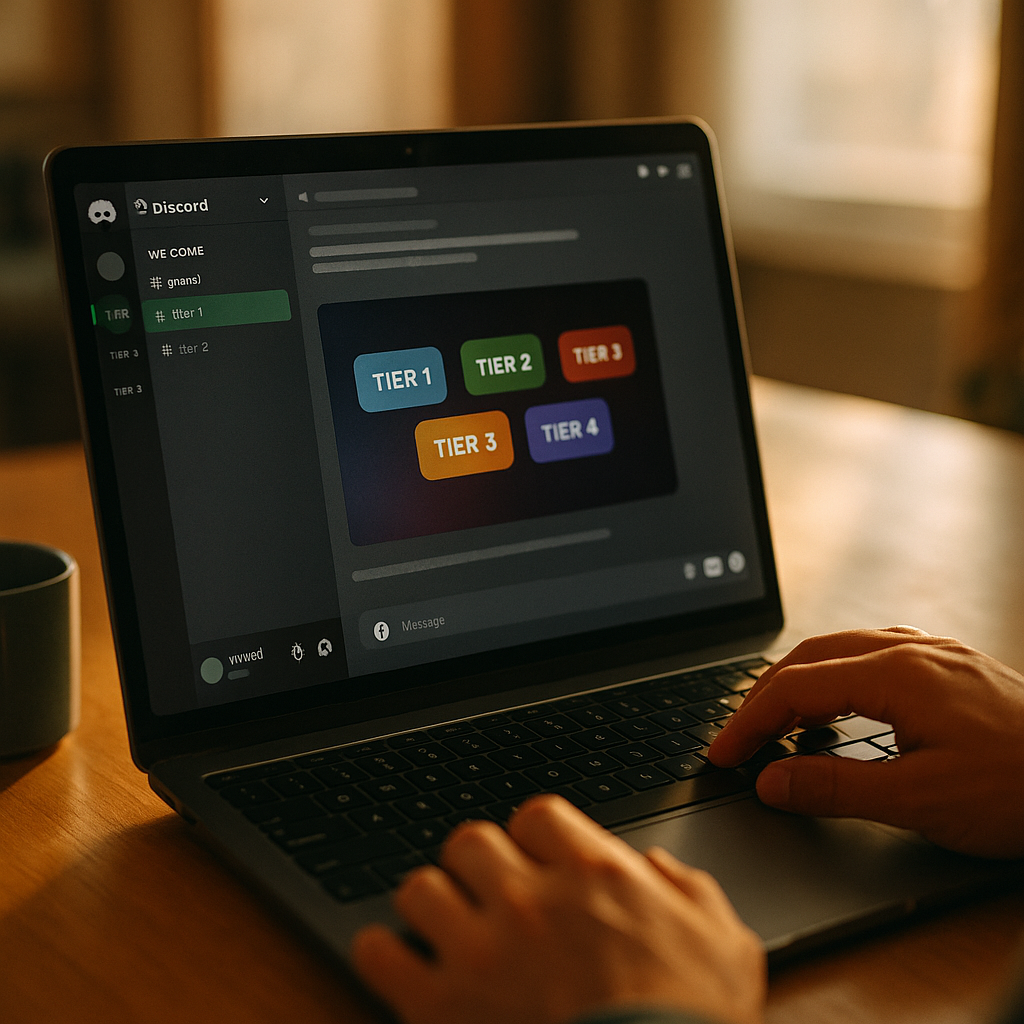
High-touch communities win when they treat retention like a product, not a perk. This playbook for High Touch Retention Using Specialized Discord Tiers shows how to segment members, deliver hands-on value, and measure outcomes without overwhelming your team. You’ll learn tier design, staffing, automations, and safeguards that keep trust high and churn low—ready to build tiers members refuse to leave?
Discord tier strategy for retention: define outcomes, not perks
Specialized tiers work when each one solves a specific member problem. Start by defining the retention outcome you want for each tier, then design the experience backwards. This prevents the common trap of adding “more stuff” that increases noise and support load while decreasing perceived value.
Build tiers around jobs-to-be-done. Ask: what does a member hire your community for? Typical answers include faster implementation, accountability, feedback from experts, access to peers, or a safe place to ship work in public.
Use a simple tier ladder. Most communities perform best with three to five tiers. Too few tiers forces one-size-fits-all support. Too many tiers create confusion and “tier shopping.” A practical ladder looks like:
- Starter: onboarding, core resources, community chat, monthly Q&A.
- Pro: structured programs, office hours, template packs, peer pods.
- Premium: high-touch reviews, concierge routing, small-group coaching, faster response times.
- Elite (optional): limited seats, direct access to senior experts, implementation sprints.
Write retention promises you can keep. High touch is a trust contract. Make commitments explicit: response windows, session cadence, review turnaround, and what is out of scope. Members stay when expectations match reality.
Answer the follow-up question: “How do I know what to include?” Validate tier value by reviewing churn reasons, support tickets, and member interviews. Prioritize items that directly reduce time-to-result, uncertainty, or stalled momentum.
Specialized Discord tiers: structure channels, roles, and access paths
Discord is powerful because it combines identity (roles), spaces (channels), and automation (bots). Specialized tiers should feel like distinct products inside one server, with clear boundaries and minimal clutter.
Design with “one door in, one next step.” Create a dedicated onboarding channel for each tier that explains:
- What members should do in their first 15 minutes
- How to request help and what info to include
- Where to find schedules, recordings, and templates
- How to escalate urgent blockers
Use roles as experience switches. Assign roles via your membership system and map each role to a curated channel set. Keep the visible channel list small. If members can’t find the right place to post, they post less—or they churn.
Channel patterns that support high touch without chaos:
- #start-here (per tier): short checklist, links, norms, escalation rules.
- #wins-and-ships: members post weekly progress; staff reacts and reinforces.
- #ask-an-expert (tiered): structured help requests with a template.
- #reviews (premium): submit work for feedback using a required format.
- #office-hours: agendas, questions, and follow-ups.
- #accountability-pods: private channels for small groups.
- #resources: locked, indexed, and periodically pruned.
Make help requests easy to answer. Require a simple form template in the channel topic or an auto-response: goal, context, what they tried, what “done” looks like, deadline. This increases the quality of support and reduces staff time.
Answer the follow-up question: “Should I use private channels?” Yes, for high-trust experiences like reviews, pods, and sensitive topics. Keep them purposeful and time-bound so your server doesn’t become a graveyard of abandoned spaces.
High-touch member onboarding: deliver first value in 48 hours
Retention begins before a member says hello. High-touch tiers must create early momentum, because the first week determines whether a member builds a habit of participation.
Build a 48-hour “first value” pipeline. The goal is one meaningful interaction and one small win. In practice:
- Instant: automated welcome DM with the next two actions and a link to book/attend the next live touchpoint.
- Within 24 hours: a human welcome comment on their intro plus a targeted suggestion (“Post your draft in #reviews and I’ll tag the right mentor”).
- Within 48 hours: a guided step (mini-assessment, roadmap prompt, or quick-start challenge) that produces a tangible output.
Segment onboarding by intent. Ask one question at entry: “What are you trying to achieve in the next 30 days?” Use the answer to route members to the right channel, pod, or office hours. This improves relevance, which is the foundation of perceived value.
Establish participation norms early. High-touch tiers stay healthy when members know how to use them. Publish short norms: how to title posts, how to request feedback, what “good” looks like, and how to respect time zones and privacy.
Answer the follow-up question: “How personal should it be?” Personal enough that members feel seen, but operationally consistent. Use a standard playbook for welcomes and triage, then add a single custom sentence that proves you read their goal.
Community retention metrics: measure leading indicators and tier health
You can’t manage high-touch retention by vibes. You need a small set of metrics that indicate whether each tier is delivering outcomes and whether your staffing model is sustainable.
Track leading indicators (weekly). These predict renewal before billing day:
- Activation rate: % of new members who complete the first-value action within 7 days.
- Meaningful touchpoints: reviews delivered, coaching interactions, answered questions.
- Time to first response in help channels (by tier).
- Member momentum: % posting wins/updates at least once per week.
- Event attendance: live session participation and replay consumption.
Track retention outcomes (monthly).
- Logo retention: % of members who renew.
- Net revenue retention: upgrades/downgrades and expansion by tier.
- Churn reasons: coded into 5–8 categories (time, value, fit, support, achieved goal, pricing, product change, other).
Instrument Discord without overengineering. Use Discord analytics, membership platform data (Stripe/subscription tool), and a lightweight tagging system in your help channels. If you run reviews, log each review with: member, type, turnaround time, and outcome (accepted changes, shipped, resolved blocker).
Make tier health visible. Create a weekly internal dashboard and a 15-minute team review. High touch becomes scalable when you spot bottlenecks early—like rising response times or a drop in activation.
Answer the follow-up question: “What’s a good target?” Set baselines for 30 days, then improve in small increments. For premium tiers, prioritize response time, turnaround time, and activation. For lower tiers, prioritize momentum and event attendance.
Discord automation and staffing: scale high touch without losing trust
High touch doesn’t mean manual everything. The goal is to reserve human attention for judgment, coaching, and feedback—not for routing, reminders, or repetitive answers.
Use automation for logistics, not empathy. Good automation examples:
- Role assignment and access provisioning after payment
- Scheduled reminders for office hours and challenges
- Help-request templates and auto-prompts when members post without context
- Resource indexing and search commands
- Post-to-ticket conversion for premium support (with clear boundaries)
Staff by “coverage hours” and “review capacity.” Premium tiers fail when you sell access but don’t protect staff capacity. Estimate:
- Coverage: expected help requests per week × average minutes per request.
- Reviews: number of review slots × turnaround time promise.
- Live sessions: facilitation time + prep + follow-up notes.
Create an escalation ladder. Tiered support works best with a clear path:
- Peer response first (when appropriate)
- Mentor response within the tier SLA
- Escalation to senior expert for complex cases
- Paid add-on or 1:1 option for out-of-scope requests
Build a knowledge base that matches tier needs. Keep it short and practical: checklists, examples, and decision trees. Update it from repeated questions. This supports EEAT by demonstrating real operational expertise and making advice verifiable and repeatable.
Answer the follow-up question: “Will members hate automation?” Not if it reduces friction and speeds outcomes. Tell members what’s automated, why it exists, and how to reach a human when the situation needs judgment.
Member experience design for Discord: prevent churn with proactive interventions
Most churn is avoidable when you intervene before members disengage. Specialized tiers give you the ability to tailor retention actions to the member’s stage and intent.
Spot churn risk early. Common signals include:
- No posts or reactions after onboarding
- Repeated “stuck” messages without follow-through
- Missed office hours two cycles in a row
- Support requests that go unanswered or unresolved
- Sudden drop in win-sharing from previously active members
Run a proactive retention cadence.
- Week 1 check-in: “Did you get your first win? What’s the next milestone?”
- Week 3 nudge: route to a pod, review slot, or office hours agenda.
- Monthly progress prompt: ask for one metric, one obstacle, one next step.
Use “micro-commitments” to restore momentum. When a member stalls, avoid generic encouragement. Give one concrete next action: “Post your outline in #reviews with your target audience and we’ll return edits in 48 hours.” Specificity reduces cognitive load.
Handle upgrades and downgrades with clarity. Specialized tiers often increase expansion revenue, but only if members understand the difference. Publish a comparison table in a locked channel and emphasize outcomes: “Pro = accountability + structure; Premium = personalized feedback + faster resolution.”
Build trust and safety into the tier design. High-touch environments require firm policies for privacy, respectful feedback, and consent around DMs. Make reporting paths obvious, enforce boundaries consistently, and limit access to sensitive channels to trained staff and members who agree to the norms.
Answer the follow-up question: “What if members say they don’t have time?” Offer a low-time pathway inside the tier: a weekly 10-minute check-in format, a “one question” thread, or a single monthly review option. Retention improves when your tier fits real schedules.
FAQs
How many Discord tiers should I create for high-touch retention?
Start with three tiers (Starter, Pro, Premium). Add an Elite tier only if you can cap seats and protect senior expert time. If members struggle to choose, you have too many tiers or unclear outcomes.
What makes a Discord tier “high touch” in practice?
High touch means predictable human support with clear service levels: defined response times, structured reviews, regular live sessions, and proactive check-ins. It is not just more channels or more content.
How do I prevent premium channels from becoming a support inbox?
Use templates, scopes, and a routing rule: what belongs in #ask-an-expert vs. #reviews vs. office hours. Offer a separate paid 1:1 path for requests that require deep work beyond the tier promise.
Which metrics best predict retention in specialized Discord tiers?
Activation within 7 days, time to first response, number of meaningful touchpoints (reviews, resolved blockers), and weekly momentum signals (wins/updates). These indicators usually move before churn shows up in billing.
Do I need bots and automations to run specialized tiers well?
You need automation for provisioning, reminders, and formatting help requests, but not for relationship-building. Use automation to reduce friction and protect staff capacity, then keep human responses for nuanced feedback and coaching.
How do I maintain quality as the community grows?
Cap high-touch tiers, staff by coverage and review capacity, standardize onboarding, and review tier health weekly. As volume increases, add trained mentors and strengthen your knowledge base so expertise stays consistent.
Specialized Discord tiers improve retention when they deliver clear outcomes, fast first value, and reliable human support. Design tiers as distinct products, keep channel layouts focused, and measure leading indicators like activation and response time. Use automation to handle logistics, not relationships, and intervene proactively when momentum drops. Build this system once, refine weekly, and your members will stay longer.