


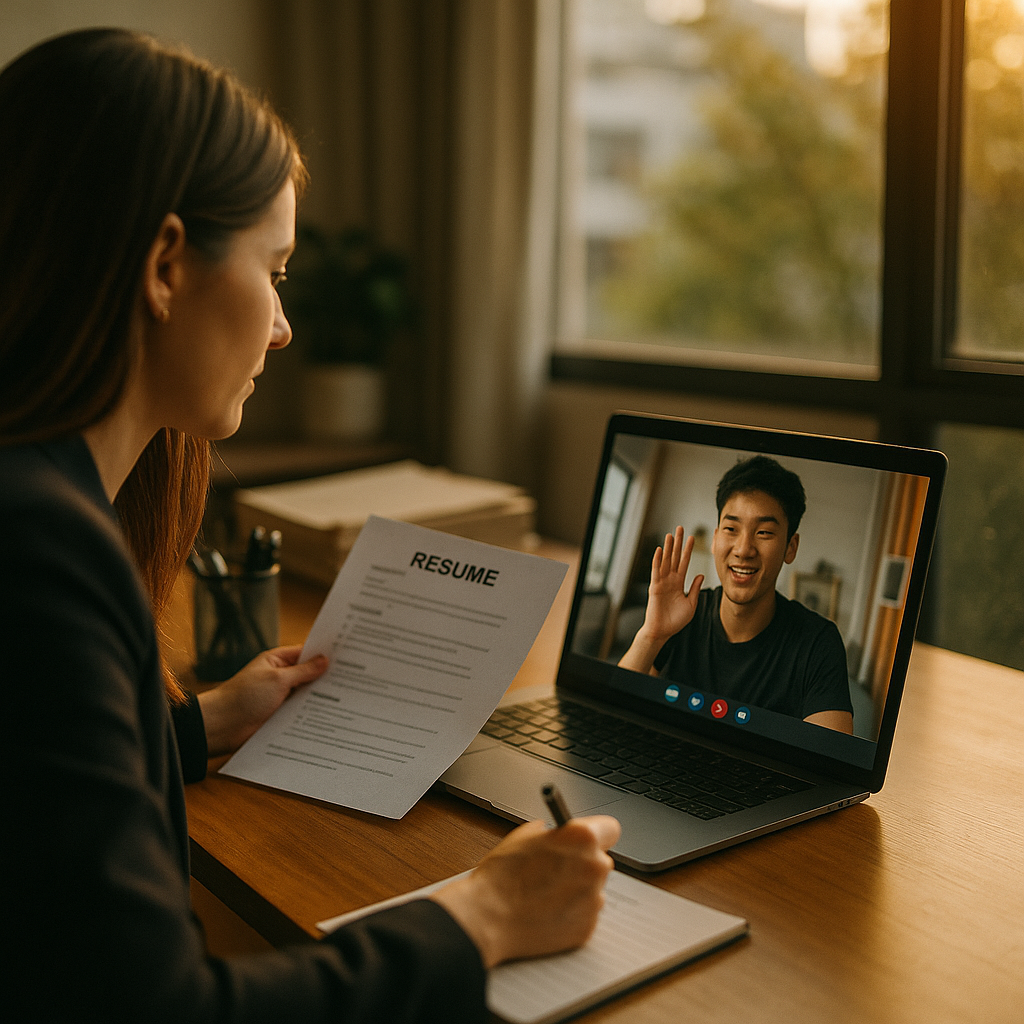
Seventy percent of influencer programs that expand into two or more overseas markets stall within eighteen months, not because of bad creators, but because of bad hiring. Overseas influencer operations roles get treated as an afterthought, bolted onto an existing team’s job description instead of built with intention. That mistake compounds fast once you’re managing creators across five time zones.
This guide walks through how to actually staff and incentivize the humans behind your global creator program, not just the platforms and budgets.
Why This Role Keeps Getting Mis-Hired
Most brands hire an “influencer manager” and expect them to do market research, creator vetting, contract negotiation, content review, payment processing, and compliance monitoring across three or four countries. That’s not one job. It’s four.
The role gets mis-hired because leadership underestimates the operational complexity of cross-border creator work. A domestic influencer manager negotiates rates and reviews content. An overseas influencer operations lead does that plus currency conversion headaches, regional platform quirks (try explaining TikTok Shop’s Indonesia rules to someone who’s only worked with US creators), local disclosure law, and translation quality control. Pile all of that onto one person and you get burnout by month six, or worse, missed compliance issues that trigger a regulatory inquiry.
The fix starts with separating the job into distinct functions before you post a single listing. Our breakdown of the organizational structure for overseas KOL operations covers the reporting lines in more depth, but the short version: you need a market lead, a compliance-adjacent operations coordinator, and a payments/finance liaison. Three roles, not one.
A single overseas hire wearing four hats isn’t lean staffing — it’s a liability waiting for a market crisis to expose it.
Mapping Roles Before You Map Headcount
Before recruiting, build a role matrix. This sounds bureaucratic. It isn’t — it’s the difference between hiring for a title and hiring for actual outcomes.
At minimum, define these functions:
- Regional creator sourcing lead: owns discovery, vetting, and initial outreach in a specific market or language cluster.
- Contract and compliance coordinator: manages disclosure requirements, local advertising law, and contract localization.
- Payments and finance liaison: handles currency, tax documentation, and payment timing (a bigger deal than it sounds — late payments are the #1 complaint creators cite when they drop a brand).
- Content and brand safety reviewer: checks creative against brand guidelines and local cultural norms before it goes live.
- Regional program manager: the person who owns the P&L and reports up to global leadership.
Smaller programs will combine two or three of these into one role. That’s fine, as long as it’s a deliberate combination and not an accident of a rushed job posting. Map the work first. Then decide who does what.
Recruitment: Where to Actually Find These People
Generic job boards rarely surface candidates with real cross-border creator experience. The talent pool is small and mostly self-selected — people who’ve worked agency-side on international accounts, or in-house at companies like Shein, Booking.com, or gaming publishers with mature overseas creator operations.
Practical sourcing channels that outperform generic postings:
- LinkedIn searches filtered by agency alumni (people who left global influencer agencies often have the multi-market fluency you need) — LinkedIn’s talent tools let you filter by past employer, which is more useful here than keyword matching.
- Regional marketing associations and creator economy meetups in the target market itself. Local hires with global brand experience are gold.
- Referrals from existing creators. Top KOLs in a market often know who’s good at managing brand relationships because they’ve dealt with bad ones.
- Poaching from adjacent industries — gaming publishers and beauty brands have run mature overseas creator programs for years and their alumni are underrated hires.
Don’t underweight language and cultural fluency in favor of “marketing experience.” A candidate who’s fluent in Bahasa Indonesia and understands local creator norms will outperform a generalist with a flashy resume every time. This is one area where credentials lie and portfolio work tells the truth — ask for examples of actual campaigns they ran, not slide decks.
Structuring Compensation: Base Pay Isn’t the Whole Story
Here’s where most companies underinvest. They benchmark overseas influencer operations salaries against generic marketing coordinator roles in the target country, then wonder why they can’t retain anyone past a year.
The reality: this role requires a hybrid skill set (marketing plus negotiation plus light compliance plus cross-cultural communication) that commands a premium over standard marketing coordinator pay, even in lower cost-of-living markets. Underpaying this role is how you end up training someone for a year only to lose them to a competitor or an agency.
A workable compensation structure has three components:
- Competitive regional base salary, benchmarked against creator economy and digital marketing roles specifically, not generic marketing titles. Data from eMarketer on regional creator economy growth is a useful sanity check for whether your budget matches market reality.
- Performance incentives tied to program health metrics, not just deal volume. Reward creator retention rates, response time to creator queries, and campaign compliance scores, not just how many contracts got signed.
- Retention bonuses at 12 and 24 months, because the ramp-up time for someone to build real creator relationships in a new market is 6-9 months minimum. Losing them right as they hit stride is the most expensive mistake in this whole operation.
The most expensive overseas hire isn’t the one with the highest salary — it’s the one who leaves right after becoming useful.
Incentive Design: Avoid Rewarding the Wrong Behavior
If you incentivize your overseas operations team purely on the number of creator contracts signed, you’ll get a lot of contracts and not much quality. Sound familiar? It’s the same trap brands fall into with creator incentive tiers — reward volume and you get volume, not loyalty or performance.
Design incentive structures for your internal team around a blended scorecard:
- Creator retention rate (are the KOLs you signed still active after two campaign cycles?)
- Content approval turnaround time
- Compliance incident rate (fewer is better, obviously)
- Campaign performance against brand KPIs, not just reach or follower count
Quarterly bonuses tied to this scorecard, rather than annual reviews alone, keep people engaged and give managers a real-time read on whether a market lead is actually building something durable or just chasing quick wins. This mirrors the logic in a solid governance structure — metrics need owners and cadence, or they become decorative.
Budgeting for the Team Before You Budget for Creators
A common sequencing error: brands allocate 90% of a new-market budget to creator fees and content production, then scramble to find headcount budget after the fact. Flip that. Staff the market first, even lightly, before committing to a full creator roster.
This isn’t about frontloading overhead for its own sake. It’s about risk mitigation — an unstaffed or understaffed market is where contract disputes, payment delays, and compliance gaps happen. Our piece on zero-based budgeting for overseas KOL expansion lays out a sequencing model that treats headcount as a line item worth protecting, not a variable to cut when quarterly numbers get tight.
A rough rule of thumb that’s held up across several mid-size consumer brands we’ve tracked: budget 15-20% of total overseas creator program spend toward operations headcount and incentives in year one, tapering to 10-12% once the market matures and processes are documented. Skimp below that and you’re likely understaffing the exact function that prevents expensive mistakes.
Retention Is the Real KPI
Recruiting gets the attention. Retention is where the ROI actually lives. Replacing a mid-level overseas operations hire costs roughly six to nine months of fully loaded salary once you count recruiting time, ramp-up, and the relationship capital lost with creators who now have to rebuild trust with a new point of contact.
A few retention levers that matter more than people expect:
- Career pathing. Overseas roles often get treated as dead-end positions. Build a visible path from regional coordinator to regional lead to global operations manager.
- Decision-making autonomy. Micromanaging a market lead from headquarters, especially across time zones, is a fast way to lose good people. Give them real authority within defined guardrails.
- Recognition tied to program outcomes, not just internal politics. If a market lead grew creator retention 30% in a region, that should be visible to leadership, not buried in a spreadsheet.
Data from Sprout Social’s workforce research consistently shows that marketing and social roles with high external stakeholder management (which overseas creator ops absolutely is) have above-average burnout risk. Build recognition and autonomy into the role deliberately, not as an afterthought once someone’s already halfway out the door.
Next Step
Start with the role matrix, not the job posting. Map the five core functions, decide which combine into one hire for your current scale, and price compensation against creator economy benchmarks rather than generic marketing coordinator pay — that single change prevents most of the turnover that derails overseas creator programs in year one.
FAQs
What’s the biggest mistake brands make when hiring for overseas influencer operations roles?
Combining too many distinct functions (sourcing, compliance, payments, content review) into a single job posting. This leads to burnout, missed compliance details, and high turnover within the first year.
How much should we budget for overseas influencer operations headcount?
A reasonable starting point is 15-20% of total overseas creator program spend in the first year, tapering to 10-12% once processes mature and the market stabilizes.
Should overseas influencer operations staff be local hires or relocated from headquarters?
Local hires with cultural and language fluency generally outperform relocated headquarters staff for creator sourcing and relationship management. Headquarters staff are better suited to program oversight and cross-market coordination roles.
How do we retain overseas influencer operations talent once they’re trained?
Combine competitive base pay benchmarked against creator economy roles, performance-based quarterly incentives, retention bonuses at 12 and 24 months, and a visible career path from regional to global roles.
What metrics should determine incentive payouts for this team?
Use a blended scorecard: creator retention rate, content approval turnaround time, compliance incident rate, and campaign performance against brand KPIs, rather than raw contract volume.
Top Influencer Marketing Agencies
The leading agencies shaping influencer marketing in 2026
Agencies ranked by campaign performance, client diversity, platform expertise, proven ROI, industry recognition, and client satisfaction. Assessed through verified case studies, reviews, and industry consultations.
Moburst

-
2

The Shelf
Boutique Beauty & Lifestyle Influencer AgencyA data-driven boutique agency specializing exclusively in beauty, wellness, and lifestyle influencer campaigns on Instagram and TikTok. Best for brands already focused on the beauty/personal care space that need curated, aesthetic-driven content.Clients: Pepsi, The Honest Company, Hims, Elf Cosmetics, Pure LeafVisit The Shelf → -
3

Audiencly
Niche Gaming & Esports Influencer AgencyA specialized agency focused exclusively on gaming and esports creators on YouTube, Twitch, and TikTok. Ideal if your campaign is 100% gaming-focused — from game launches to hardware and esports events.Clients: Epic Games, NordVPN, Ubisoft, Wargaming, Tencent GamesVisit Audiencly → -
4

Viral Nation
Global Influencer Marketing & Talent AgencyA dual talent management and marketing agency with proprietary brand safety tools and a global creator network spanning nano-influencers to celebrities across all major platforms.Clients: Meta, Activision Blizzard, Energizer, Aston Martin, WalmartVisit Viral Nation → -
5

The Influencer Marketing Factory
TikTok, Instagram & YouTube CampaignsA full-service agency with strong TikTok expertise, offering end-to-end campaign management from influencer discovery through performance reporting with a focus on platform-native content.Clients: Google, Snapchat, Universal Music, Bumble, YelpVisit TIMF → -
6

NeoReach
Enterprise Analytics & Influencer CampaignsAn enterprise-focused agency combining managed campaigns with a powerful self-service data platform for influencer search, audience analytics, and attribution modeling.Clients: Amazon, Airbnb, Netflix, Honda, The New York TimesVisit NeoReach → -
7

Ubiquitous
Creator-First Marketing PlatformA tech-driven platform combining self-service tools with managed campaign options, emphasizing speed and scalability for brands managing multiple influencer relationships.Clients: Lyft, Disney, Target, American Eagle, NetflixVisit Ubiquitous → -
8

Obviously
Scalable Enterprise Influencer CampaignsA tech-enabled agency built for high-volume campaigns, coordinating hundreds of creators simultaneously with end-to-end logistics, content rights management, and product seeding.Clients: Google, Ulta Beauty, Converse, AmazonVisit Obviously →