


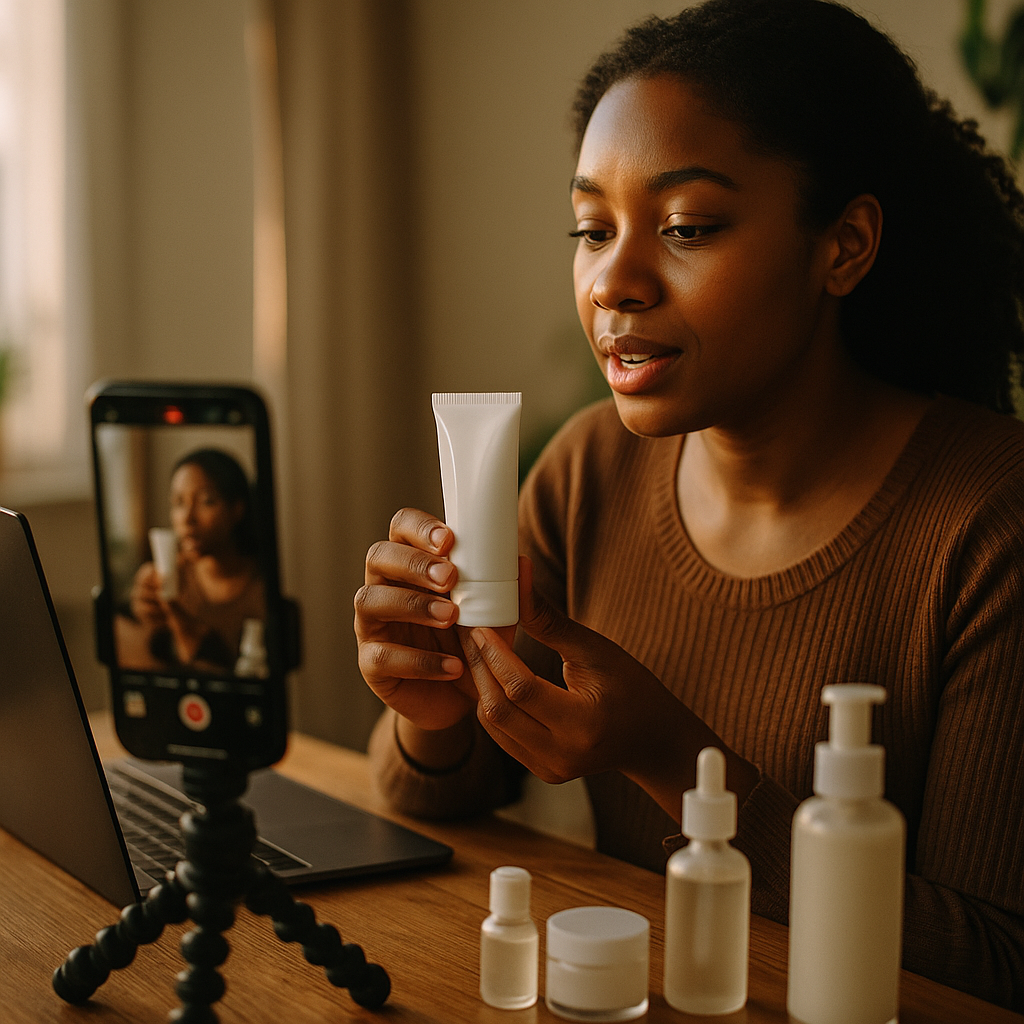
Some UGC creators now earn more than mid-level marketing managers, and they never sign an exclusive contract with a single brand. That single fact should reshape how brands think about the six-figure UGC creator economy. The old model, chasing followers and negotiating one-off deals, is being replaced by something that looks a lot like an inbound marketplace: creators build a portfolio, buyers come to them, and pricing becomes transparent and repeatable.
Brands that still treat UGC sourcing like a talent search, cold DMs, manual vetting, spreadsheet tracking, are losing time and margin to competitors who’ve adopted marketplace logic. This piece breaks down what’s actually driving six-figure UGC incomes, why the inbound model works better than outbound scouting, and what marketing leaders should change in their operating model this year.
What “Inbound Marketplace” Actually Means Here
Borrow the term from SaaS and sales: inbound means the buyer initiates contact based on discoverable, pre-qualified supply. In creator terms, that’s platforms like Fiverr, Billo, and JoinBrands, where creators list rates, samples, and turnaround times, and brands browse rather than recruit. Compare that to the outbound model of traditional influencer marketing, where a brand or agency identifies a creator, pitches them, negotiates rate, and hopes the content performs.
The inbound model flips the acquisition cost curve. Instead of paying a scout or agency to find talent, brands pay a smaller platform fee and get instant access to thousands of pre-vetted sellers. Fiverr UGC sellers are now core budget line items for exactly this reason: the marketplace does the discovery work upfront, and brands only pay for output they can preview before committing.
The shift from outbound scouting to inbound marketplaces mirrors what happened in B2B lead generation a decade ago: buyers stopped waiting to be pitched and started shopping catalogs instead.
How Creators Actually Hit Six Figures
It’s rarely one brand deal. Six-figure UGC creators typically stack income across three or four revenue lines: whitelisting fees (brands paying to run creator content as paid ads), flat-rate content packages sold through marketplaces, retainer arrangements with a handful of repeat clients, and usage rights extensions that let a brand reuse a single video across multiple campaigns or quarters.
This stacking is the real innovation, and it’s why per-post rate comparisons are increasingly useless. A creator charging $250 per video isn’t underpriced if they’re selling the same asset five times with different usage windows. eMarketer’s creator economy tracking has flagged this multi-revenue pattern as the dominant structure among top-earning UGC talent, not the exception.
Brands that only budget for the initial production fee and ignore usage rights are consistently surprised when a creator declines a renewal or, worse, sells the same concept to a direct competitor. Marketplace contracts increasingly spell out exclusivity windows and usage scope precisely because this became such a common friction point.
Why Reach Stopped Being the Point
UGC creators in the six-figure bracket often have modest followings, sometimes under 10,000. That’s not a bug. Brands aren’t buying reach from them, they’re buying a specific content style: raw, testimonial-driven, algorithm-friendly footage designed to run as an ad, not to go viral organically.
This is consistent with what nano influencer conversion data has shown across categories: smaller creators convert at higher rates because their content reads as authentic rather than sponsored. The inbound marketplace model actually depends on this dynamic. Since buyers are shopping for content style and turnaround speed rather than audience size, follower count becomes almost irrelevant to the transaction.
That’s a meaningful mindset shift for brand teams still running influencer selection through follower-tier filters. If your vetting process ranks candidates by audience size before reviewing sample content, you’re optimizing for the wrong variable.
The Vetting Problem Marketplaces Solve (and the One They Don’t)
Marketplaces solve discovery and portfolio review. What they don’t solve automatically is compliance, and that’s where brand teams still carry real operational risk. UGC creators selling through open marketplaces aren’t always briefed on disclosure requirements, and a brand running whitelisted UGC as a paid ad without proper endorsement disclosure is exposed to the same enforcement risk as a traditional sponsored post.
The FTC’s endorsement guidance applies regardless of whether the content originated through a marketplace, an agency, or a direct relationship. Brands need a standard contract addendum covering disclosure language, and it needs to travel with every marketplace purchase order, not just the ones negotiated through an agency.
This is also where pay structure is evolving. Instead of paying purely on deliverables, more brands are tying compensation to performance data after the fact. LTV metrics are replacing reach in pay contracts, which changes the incentive structure for creators: get paid more if the content actually drives retained customers, not just impressions.
Budget Reallocation: What’s Actually Changing Inside Brand Teams
Marketing leaders running six-figure UGC programs are restructuring line items in three specific ways:
- Software spend is shrinking, service spend is growing. Teams are moving away from platform subscriptions toward managed sourcing services that handle vetting and contracts directly, a trend covered in depth around creator budgets shifting from software to managed services.
- Paid amplification budget is moving toward organic seeding. Brands are discovering that organic-first seeding outperforms paid amplification in media mix modeling, which frees up budget to pay creators directly rather than routing it through ad platforms.
- Rising CPMs on short-form video are pushing discovery dollars toward search and marketplace tools rather than platform-native ad auctions, a shift documented in coverage of rising CPMs pushing budget to search and marketplaces.
None of this means influencer marketing budgets are shrinking overall. HubSpot’s annual marketing trend research has consistently shown creator and UGC spend growing year over year, even as allocation within that spend shifts toward marketplace-sourced content and away from single-agency exclusivity deals.
The winners in six-figure UGC economics aren’t the biggest brands, they’re the ones with the tightest sourcing operations and the clearest usage-rights paperwork.
Building an Inbound-Style Sourcing Operation
If you’re still running UGC sourcing through one-off agency briefs, here’s the operational shift worth making:
- Set up standing accounts on two or three marketplaces rather than relying on a single agency relationship. This gives you pricing benchmarks and backup supply if a preferred creator becomes unavailable.
- Build a standard content brief template that specifies usage rights, disclosure requirements, and turnaround expectations upfront, so every marketplace purchase carries the same compliance floor.
- Track performance by creator, not just by campaign, so you can identify repeat-worthy talent and negotiate retainer rates before a creator’s price rises with demand.
- Review your measurement stack. Sprout Social’s reporting tools and similar platforms can help attribute performance to specific creator content rather than lumping it into general paid social results.
This operational discipline is what separates brands getting six-figure value out of UGC programs from brands still treating it as experimental spend. The marketplace does the sourcing. Your job is the system around it.
Want a deeper look at how conversion data is reshaping which creator tier gets budget priority? See how conversion data is replacing reach in tier selection for a fuller breakdown of the underlying metrics shift.
The Takeaway
Stop scouting, start sourcing. Set up a repeatable marketplace-based UGC pipeline with standardized briefs and usage-rights terms this quarter, and you’ll cut sourcing costs while reducing compliance exposure at the same time.
Frequently Asked Questions
What makes a UGC creator earn six figures?
Top-earning UGC creators rarely rely on a single income stream. They combine whitelisting fees, marketplace content sales, retainer clients, and usage-rights extensions across multiple brands to build stackable, repeatable revenue rather than depending on one high-paying deal.
How is an inbound marketplace model different from traditional influencer marketing?
In the inbound model, creators list rates and sample work publicly, and brands browse and select rather than negotiating one-off outbound deals. This shifts discovery cost and time from the brand to the platform, similar to how B2B buyers now shop vendor catalogs instead of waiting for sales pitches.
Do UGC creators from marketplaces need to follow FTC disclosure rules?
Yes. Disclosure requirements apply regardless of how the creator relationship originated. Brands running marketplace-sourced UGC as paid or whitelisted ads carry the same compliance obligations as traditional sponsored content and should build disclosure language into every purchase order.
Why do six-figure UGC creators often have small followings?
Brands buying UGC are typically paying for content style, authenticity, and ad performance rather than organic reach. Smaller creators often produce more testimonial-style, algorithm-friendly content that converts better as paid media, which is why follower count matters less in this segment than in traditional influencer partnerships.
How should brands budget for UGC usage rights?
Budget for usage rights as a separate line item from production cost. Clarify upfront how long the content can run, across which channels, and whether renewal requires additional payment. Failing to negotiate this upfront is one of the most common and costly mistakes brands make with marketplace-sourced creators.
Top Influencer Marketing Agencies
The leading agencies shaping influencer marketing in 2026
Agencies ranked by campaign performance, client diversity, platform expertise, proven ROI, industry recognition, and client satisfaction. Assessed through verified case studies, reviews, and industry consultations.
Moburst

-
2

The Shelf
Boutique Beauty & Lifestyle Influencer AgencyA data-driven boutique agency specializing exclusively in beauty, wellness, and lifestyle influencer campaigns on Instagram and TikTok. Best for brands already focused on the beauty/personal care space that need curated, aesthetic-driven content.Clients: Pepsi, The Honest Company, Hims, Elf Cosmetics, Pure LeafVisit The Shelf → -
3

Audiencly
Niche Gaming & Esports Influencer AgencyA specialized agency focused exclusively on gaming and esports creators on YouTube, Twitch, and TikTok. Ideal if your campaign is 100% gaming-focused — from game launches to hardware and esports events.Clients: Epic Games, NordVPN, Ubisoft, Wargaming, Tencent GamesVisit Audiencly → -
4

Viral Nation
Global Influencer Marketing & Talent AgencyA dual talent management and marketing agency with proprietary brand safety tools and a global creator network spanning nano-influencers to celebrities across all major platforms.Clients: Meta, Activision Blizzard, Energizer, Aston Martin, WalmartVisit Viral Nation → -
5

The Influencer Marketing Factory
TikTok, Instagram & YouTube CampaignsA full-service agency with strong TikTok expertise, offering end-to-end campaign management from influencer discovery through performance reporting with a focus on platform-native content.Clients: Google, Snapchat, Universal Music, Bumble, YelpVisit TIMF → -
6

NeoReach
Enterprise Analytics & Influencer CampaignsAn enterprise-focused agency combining managed campaigns with a powerful self-service data platform for influencer search, audience analytics, and attribution modeling.Clients: Amazon, Airbnb, Netflix, Honda, The New York TimesVisit NeoReach → -
7

Ubiquitous
Creator-First Marketing PlatformA tech-driven platform combining self-service tools with managed campaign options, emphasizing speed and scalability for brands managing multiple influencer relationships.Clients: Lyft, Disney, Target, American Eagle, NetflixVisit Ubiquitous → -
8

Obviously
Scalable Enterprise Influencer CampaignsA tech-enabled agency built for high-volume campaigns, coordinating hundreds of creators simultaneously with end-to-end logistics, content rights management, and product seeding.Clients: Google, Ulta Beauty, Converse, AmazonVisit Obviously →