


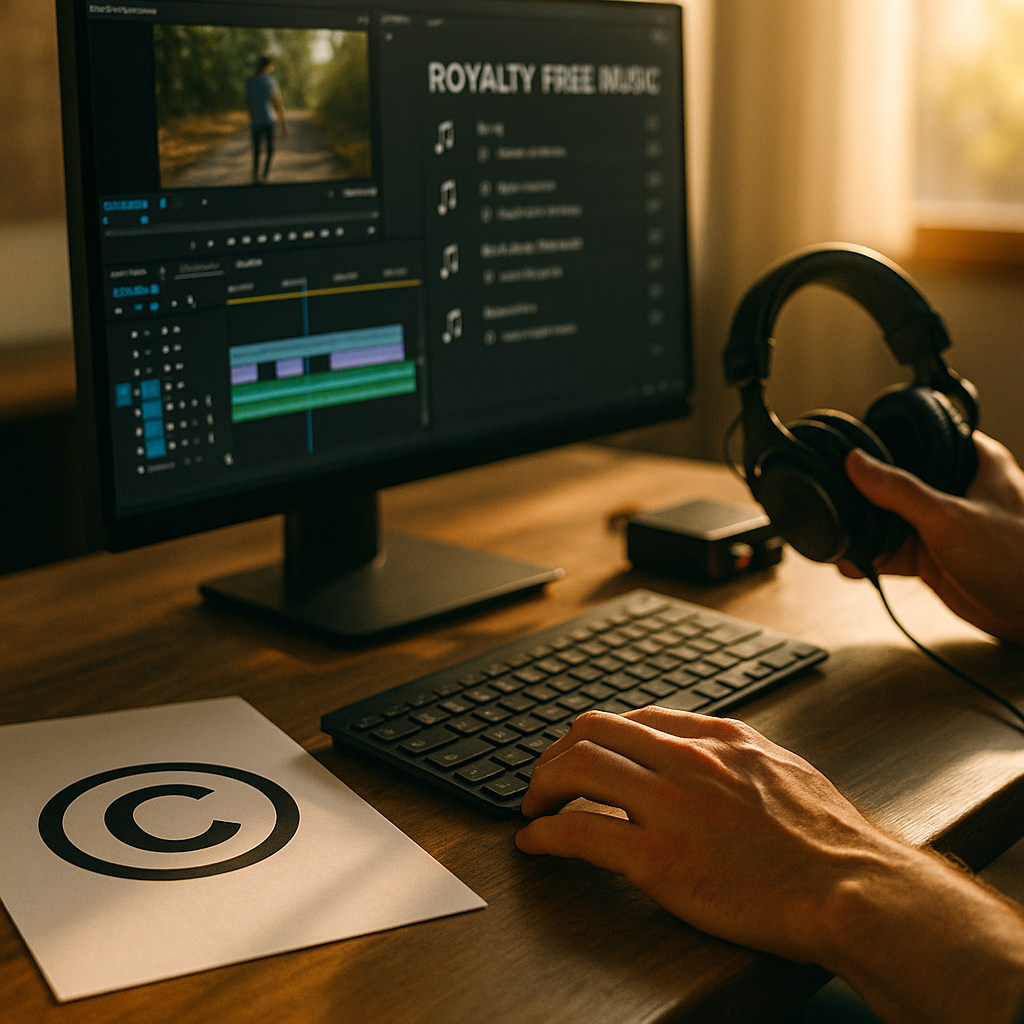
Understanding how to use royalty free music correctly is crucial for creators looking to avoid copyright strikes on platforms like YouTube, TikTok, and Instagram. Not all “royalty free” music is safe for every use case, and missteps can lead to costly takedowns. Let’s break down the essential steps every video producer and podcaster must follow for copyright-safe content.
What Does “Royalty Free” Really Mean? Understanding Copyright Risks
The term “royalty free” often leads to confusion and, in some cases, misplaced confidence. Contrary to what many believe, “royalty free” music is not the same as “copyright free.” Royalty free music refers to tracks you can use without continually paying royalties, but you still need to respect the license. If you ignore or misunderstand licensing terms, you risk receiving copyright strikes or takedown notices—regardless of intentions.
Most royalty free licenses require a one-time payment or, sometimes, simply following specific usage rules. However, the original composer almost always retains the copyright. Unauthorized use, like using a personal-use song in commercial content, can lead to automated content ID claims or even legal action.
For anyone creating content in 2025, it’s essential to read and understand the license for every track you consider. If in doubt, reach out to the provider and confirm what’s allowed. This step is crucial as automated copyright detection is becoming more sophisticated.
How to Use Royalty Free Music Correctly: Licensing and Permissions
To safely use royalty free music and avoid strikes, you must scrutinize every license, even from reputable music libraries. Here’s how to protect yourself:
- Check the Source: Only download from established platforms (like Epidemic Sound, Artlist, or AudioJungle) that provide clear licensing documentation.
- Read the License Terms: Some tracks are for “personal use” only, while others permit commercial applications. Look for explicit permission for YouTube monetization, livestreams, or podcasting if needed.
- Download and Store Licenses: Always keep a copy of the license agreement, download receipt, or email confirmation that grants usage rights.
- Avoid “Free” Music Without Documentation: If a website offers a track with vague or missing licensing information, treat it as a red flag. Lack of documentation puts you at high risk for copyright strikes.
If you use music from YouTube’s in-platform Audio Library, remember to follow any required attributions. Some tracks demand you credit the artist, while others don’t. Ignoring these conditions can trigger automated copyright claims even on platform-supplied music.
Recognizing Common Copyright Pitfalls With Royalty Free Tracks
Even after purchasing or downloading royalty free music, pitfalls abound. Understanding these risks helps you further avoid copyright headaches:
- Reselling or Redistributing: Never upload purchased royalty free tracks to public platforms like stock libraries or SoundCloud. This spreads the track without proper authorization.
- Third-Party Content ID Claims: Sometimes, a composer who sold their music on multiple platforms may later register it with Content ID systems. This can result in automatic claims on your videos, even if you have a license. Dispute these claims with your license proof.
- Using Public Domain Mislabels: Beware music marked “public domain” on unofficial sites. Often, these files still carry copyright within certain countries or for specific uses.
- Modifying Tracks: Many licenses don’t allow derivative works or remixing. Check if your use case—editing, looping, or sampling—violates the license.
By staying vigilant and informed, you avoid disruptions to your content and channel reputation.
Royalty Free Music for Commercial vs. Personal Content
Licenses often clearly outline where and how a piece of music can be used. The distinction between commercial and personal use is especially important in 2025’s online landscape:
- Commercial Use: Includes YouTube channels that are monetized, business explainer videos, paid ads, and podcasts with sponsors. For these, you must have a license that specifically allows for-profit uses and, in some cases, covers multiple platforms.
- Personal Use: Covers private projects, school assignments, or non-monetized uploads. Many free royalty free tracks permit personal but not commercial distribution.
When in doubt, assume your project is commercial—especially if it includes business branding, monetization, or influencer partnerships. Regularly review the music platform’s terms, as providers frequently update or revise licenses to adapt to changing technology and sales models in 2025.
Avoiding YouTube Copyright Strikes: Royalty Free Music on Video Platforms
YouTube’s copyright detection technology remains highly proactive and mostly automated. Here’s how to minimize your risk in 2025 when using royalty free music on YouTube, TikTok, or Meta platforms:
- Upload Proof of License Promptly: If a copyright claim appears, most platforms allow you to dispute it with documentation. Upload your license proof, and clearly state your permission to use the music.
- Whitelist Channels When Possible: Some premium music libraries offer Content ID whitelisting for your YouTube channel, which automatically prevents strikes when you use their tracks.
- Respond to Strikes Quickly: Delays can risk demonetization or removal of your content. Assert your licensed usage immediately and escalate to the music provider’s support if necessary.
- Check Music Provider Updates: If a track you used months ago suddenly triggers a claim, check whether the library updated its licensing procedures. This is a growing trend as platforms tighten copyright controls.
Ultimately, the more organized you are with license records and communication, the less disruption you’ll face if a claim arises. Many creators now use dedicated license management tools to keep all documentation in one place.
Staying Up to Date: Best Practices for Copyright Compliance in 2025
Music copyright enforcement continues to evolve. In 2025, expect tighter integrations between rights holders, music libraries, and platforms. To future-proof your channel or business:
- Subscribe to Alerts: Many royalty free music providers offer updates about changes in licensing or Content ID policies.
- Choose Trusted Providers: Prioritize libraries with transparent customer service and rapid dispute resolution. Read recent reviews and creator forums for red flags.
- Educate Your Team: If you collaborate with editors or marketers, ensure everyone understands proper licensing procedures to avoid accidental misuse.
- Re-Assess Old Content: Periodically review older videos for tracks that may now trigger copyright claims due to changes in music catalog ownership or registration status.
Being proactive about these measures helps maintain uninterrupted content publication and avoids unnecessary legal exposure as copyright technology advances.
FAQs: Copyright Strikes and Royalty Free Music
-
What happens if I get a copyright strike for royalty free music?
You can usually dispute the claim by providing proof of your license or purchase. Most platforms will review your documentation and remove the strike if you used the music correctly under license.
-
Is “royalty free” music the same as copyright free?
No. Royalty free music is still copyrighted—you’re just purchasing the right to use it under certain conditions. Copyright free music is far rarer and typically refers only to music in the public domain.
-
Can I use royalty free music on monetized YouTube channels?
Yes, if the license explicitly allows commercial use and YouTube monetization. Always verify the terms for every track.
-
Can two people get copyright claims for using the same royalty free track?
Yes, especially if the track is registered with YouTube’s Content ID after you’ve downloaded it. In this case, dispute the claim using your proof of purchase or license.
-
Do I need to credit the artist when I use royalty free music?
Sometimes. Check the license—some require attribution, while others don’t. Ignoring attribution requirements may result in copyright claims.
-
If I paid for a royalty free track, can I use it in multiple projects?
Often, yes, but only if the license specifically allows for multi-project or unlimited use. Some are single-use only. Always check the fine print.
Copyright strikes from misused royalty free music can disrupt your content plans and damage your reputation. By reading licenses carefully, maintaining documentation, and staying updated on best practices, you’ll protect your channel and enjoy peace of mind while delivering great creative work.