


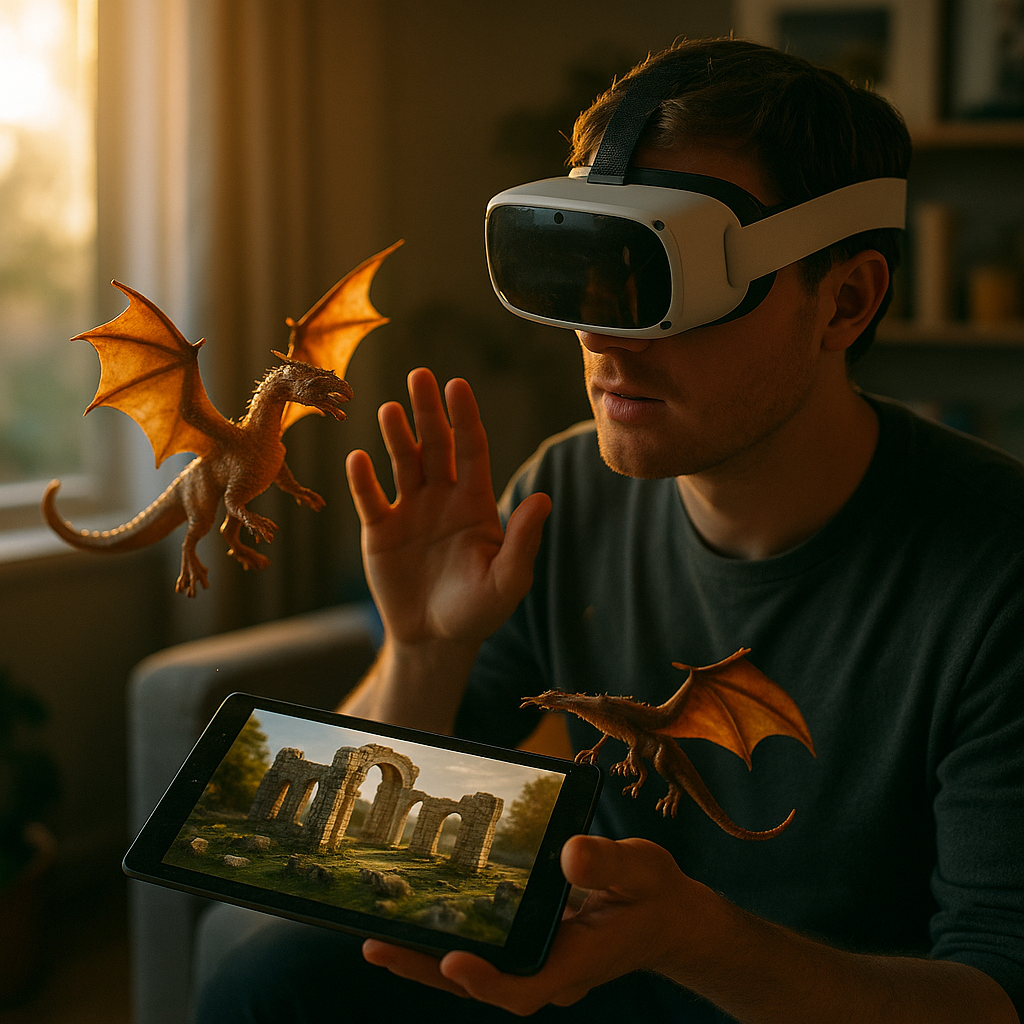
Immersive storytelling using AR filters and interactive 3D environments is revolutionizing digital engagement in 2025. Brands, educators, and creators are tapping into these technologies to craft compelling narratives that captivate audiences and drive real-world results. So, how exactly do you harness immersive storytelling to leave a lasting impression—and why does it matter now more than ever?
Understanding Immersive Storytelling in the Age of AR and 3D Environments
Immersive storytelling fuses traditional narrative techniques with cutting-edge technology—such as augmented reality (AR) filters and interactive 3D environments—to transport audiences directly into a story’s world. Unlike passive viewing, audiences become participants, making choices that shape their experience. According to Meta’s 2025 Q1 Insights Report, 72% of consumers now prefer interactive content over static media, underscoring the demand for richer, more engaging experiences.
What sets immersive storytelling apart in 2025 is its accessibility and scalability. New AR creation platforms and user-friendly 3D tools make it possible for brands of all sizes and skill levels to tell captivating stories. Whether it’s a marketing campaign, museum exhibit, or online education module, the immersive medium makes narratives more memorable and actionable.
How AR Filters Are Transforming Interactive Storytelling
AR filters overlay digital elements—graphics, animations, audio—onto the real world through smartphone cameras or wearable devices. But these aren’t just playful additions; they’re key storytelling tools. In 2025, AR filters help storytellers:
- Personalize narratives: Filters adapt stories based on user inputs, environment, or real-time data, making every experience unique.
- Boost engagement: Interactive elements, such as facial tracking or environment-based triggers, keep audiences involved and invested.
- Facilitate learning: AR overlays can highlight, visualize, or contextualize information, making complex concepts tangible and digestible.
A 2025 survey by Snap Inc. found that campaigns using AR filters increased brand recall by 48% compared to conventional social posts. For brands and creatives alike, AR filters are not just eye-catching—they’re powerful narrative tools when combined with smart storytelling strategies.
Building Compelling 3D Interactive Environments
Interactive 3D environments are digital spaces that allow users to explore, interact, and even contribute to the story. Thanks to improvements in web-based 3D engines and device performance, these environments are more accessible than ever. Here’s how to maximize their storytelling potential:
- User Agency: Let users make meaningful decisions within the environment—choose paths, manipulate objects, or solve problems that advance the story.
- Story-Driven Design: Anchor every element and interaction to your core narrative, ensuring immersion isn’t lost to unnecessary complexity.
- Real-Time Interaction: Use data triggers, NPCs, or multiplayer co-experience to turn passive viewers into co-authors of the story.
Recent success stories include virtual art galleries, branded game-worlds, and educational escape rooms—all showcasing how interactive 3D storytelling is captivating audiences across industries.
Best Practices for Crafting Immersive Narratives with AR and 3D
Want to maximize your impact? Adopt these best practices, backed by design experts and leading creators in 2025:
- Know your audience: Conduct user research to tailor the interactivity and tone to your target group’s preferences and digital fluency.
- Streamline UX/UI: Prioritize intuitive navigation and feedback mechanisms. With AR and 3D, less is often more; avoid overwhelming your audience.
- Peak moments: Design emotional or decision-driven highlights—“peak moments”—that define the user’s journey and anchor your main message.
- Embed accessibility: Ensure your experiences are usable for all, including those with disabilities, through alternative input options, captions, and high-contrast visuals.
- Measure and adapt: Integrate analytics to monitor engagement, drop-off points, and user choices so you can refine your story for future iterations.
Effective immersive storytelling isn’t just about technology; it’s about meaningful narrative design, accessible interfaces, and continuous improvement based on real audience feedback.
Technologies and Platforms Shaping Immersive Storytelling in 2025
The rapid evolution of AR and 3D tools is lowering barriers and expanding creative potential. Key platforms and advances in 2025 include:
- No-code AR builders: Tools like Spark AR Studio and TikTok Effect House empower non-developers to craft advanced AR filters, complete with analytics dashboards.
- Web-based 3D engines: Platforms such as PlayCanvas and Babylon.js enable creators to deploy interactive 3D experiences accessible across devices, no app download required.
- Wearable AR devices: With mainstream AR glasses finally in mass adoption, audiences now engage with immersive stories seamlessly as part of daily life.
- AI-powered content personalization: AI-enhanced storytelling adapts scenes, outcomes, and guidance in real-time, making narratives richer and more relevant.
Choosing the right platform and technology depends on goals, target audience, and budget. Consider piloting on multiple channels to find the best fit for your brand or story before scaling up.
Case Studies: Brands Leading the Way in Immersive Storytelling
Seeing immersive storytelling in action helps illustrate its real-world impact.
- Luxury Retailer Augmentique: In 2025, Augmentique launched an AR filter campaign allowing users to try on founder-inspired jewelry and unlock origin stories, resulting in a 62% sales lift and doubling their social media engagement rate.
- Global Museum Collaborations: Museums worldwide now offer virtual field trips in interactive 3D galleries. Recent polls by MuseumNext indicate 81% of student participants retained more content compared to traditional lessons.
- Health Awareness Initiatives: Public health agencies deploy AR experiences showing the real-life journey of vaccines via interactive, educational overlays, improving trust and community outreach effectiveness by over 30%.
These examples show that, when executed thoughtfully, immersive storytelling using AR and 3D isn’t just innovative—it’s a strategic advantage with measurable benefits.
Conclusion: Bring Your Stories to Life with Immersive Storytelling
Immersive storytelling using AR filters and interactive 3D environments is more than a trend—it’s the new standard in digital engagement for 2025. By blending technology with purposeful narrative design, you can create memorable, impactful experiences that resonate with your audience.
FAQs: Everything You Need to Know About Immersive Storytelling with AR and 3D
-
What is immersive storytelling?
Immersive storytelling is the use of interactive technologies, like AR filters and 3D environments, to engage audiences actively in a narrative, making them participants rather than passive spectators. -
How do AR filters enhance storytelling?
AR filters personalize and adapt narratives in real time. They overlay creative digital elements onto the real world, making stories more engaging, interactive, and memorable. -
Do I need coding skills to create immersive experiences?
No. In 2025, no-code platforms and visual editors allow creators with little to no coding experience to design and launch compelling AR and 3D stories. -
Is immersive storytelling expensive to implement?
Costs vary, but accessible tools and scalable solutions mean you can start small—testing concepts on social platforms or web browsers—before investing in more advanced custom environments. -
What makes a great immersive story?
A meaningful narrative, audience understanding, intuitive interaction, and emotional impact—supported by the right technology—are the core drivers of memorable immersive storytelling.
Top Influencer Marketing Agencies
The leading agencies shaping influencer marketing in 2026
Agencies ranked by campaign performance, client diversity, platform expertise, proven ROI, industry recognition, and client satisfaction. Assessed through verified case studies, reviews, and industry consultations.
Moburst

-
2

The Shelf
Boutique Beauty & Lifestyle Influencer AgencyA data-driven boutique agency specializing exclusively in beauty, wellness, and lifestyle influencer campaigns on Instagram and TikTok. Best for brands already focused on the beauty/personal care space that need curated, aesthetic-driven content.Clients: Pepsi, The Honest Company, Hims, Elf Cosmetics, Pure LeafVisit The Shelf → -
3

Audiencly
Niche Gaming & Esports Influencer AgencyA specialized agency focused exclusively on gaming and esports creators on YouTube, Twitch, and TikTok. Ideal if your campaign is 100% gaming-focused — from game launches to hardware and esports events.Clients: Epic Games, NordVPN, Ubisoft, Wargaming, Tencent GamesVisit Audiencly → -
4

Viral Nation
Global Influencer Marketing & Talent AgencyA dual talent management and marketing agency with proprietary brand safety tools and a global creator network spanning nano-influencers to celebrities across all major platforms.Clients: Meta, Activision Blizzard, Energizer, Aston Martin, WalmartVisit Viral Nation → -
5

The Influencer Marketing Factory
TikTok, Instagram & YouTube CampaignsA full-service agency with strong TikTok expertise, offering end-to-end campaign management from influencer discovery through performance reporting with a focus on platform-native content.Clients: Google, Snapchat, Universal Music, Bumble, YelpVisit TIMF → -
6

NeoReach
Enterprise Analytics & Influencer CampaignsAn enterprise-focused agency combining managed campaigns with a powerful self-service data platform for influencer search, audience analytics, and attribution modeling.Clients: Amazon, Airbnb, Netflix, Honda, The New York TimesVisit NeoReach → -
7

Ubiquitous
Creator-First Marketing PlatformA tech-driven platform combining self-service tools with managed campaign options, emphasizing speed and scalability for brands managing multiple influencer relationships.Clients: Lyft, Disney, Target, American Eagle, NetflixVisit Ubiquitous → -
8

Obviously
Scalable Enterprise Influencer CampaignsA tech-enabled agency built for high-volume campaigns, coordinating hundreds of creators simultaneously with end-to-end logistics, content rights management, and product seeding.Clients: Google, Ulta Beauty, Converse, AmazonVisit Obviously →