


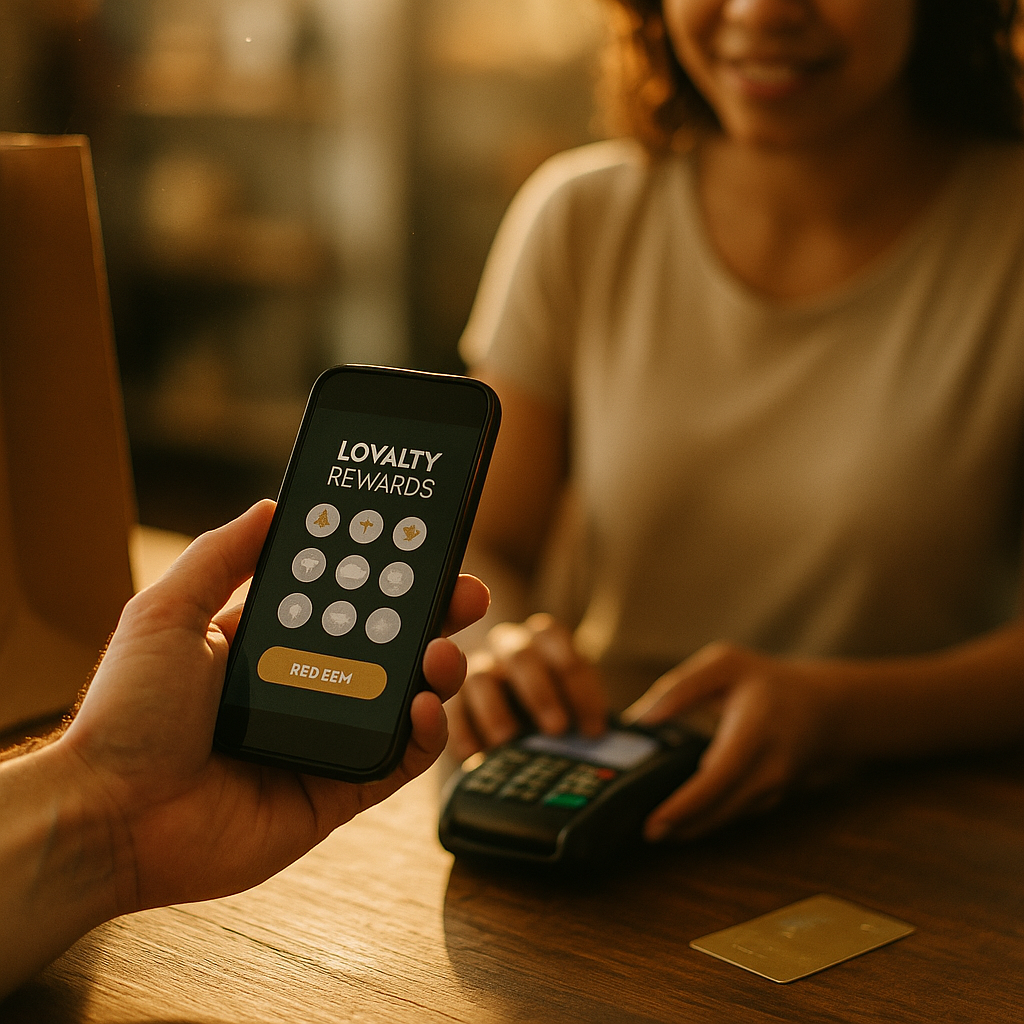
In 2025, retention leaders are rethinking how they motivate customers and employees as attention spans shrink and choices multiply. Moving from Milestone Loyalty to Inchstone Rewards for Retention shifts value from distant, infrequent payoffs to small, frequent progress moments that feel personal and achievable. When done well, inchstones drive daily behavior, build trust, and reduce churn without discount addiction. Ready to redesign loyalty around momentum?
Why inchstone rewards improve customer retention strategies
Traditional milestone programs ask people to wait: buy ten times, spend a threshold amount, renew for a year, then get a reward. That structure can work for heavy users, but it often fails the majority who never reach the payoff. Inchstone rewards flip the psychology. They recognize meaningful micro-progress—actions that predict long-term value—so customers feel rewarded while they are still forming habits.
From a behavioral standpoint, frequent, credible reinforcement increases the chance that someone repeats a behavior. From a business standpoint, early engagement is where most churn happens, so intervening sooner matters. That’s why inchstones are particularly effective during onboarding, trial-to-paid conversion, reactivation, and the first 90 days of a subscription.
Inchstones also reduce over-reliance on blanket discounts. Instead of “20% off for everyone,” you can reward actions that correlate with retention: completing setup, using a key feature twice, adding a teammate, creating the first project, or reaching a usage streak. You spend incentives where they change behavior, not where they merely subsidize intent.
To be useful, inchstones must be:
- Behavior-linked: tied to actions that predict ongoing use or repeat purchase.
- Attainable: achievable quickly for new or light users.
- Visible: progress is clear, with next steps spelled out.
- Fair: rules are consistent and avoid “gotchas.”
If you’re wondering whether inchstones replace milestones entirely: they don’t have to. Many high-performing programs keep milestones for status and long-term goals, while inchstones power the day-to-day momentum that gets more people to those milestones.
Designing micro-incentives with behavioral psychology
Effective inchstone programs are designed, not improvised. Start by mapping the customer journey and identifying “retention hinge points”—the moments where a customer either develops a habit or drops off. Then select a small set of actions that reliably indicate value realization.
Use a simple framework to choose inchstones:
- Activation: the first moment the user experiences a clear benefit.
- Stickiness: repeat usage that builds routine (weekly or daily cadence).
- Expansion: deeper adoption (more features, seats, categories, or frequency).
- Advocacy: referrals, reviews, or sharing—only after value is proven.
Then decide what to reward. Not every incentive must be monetary. In many categories, privileges outperform cash because they feel exclusive and reinforce identity. Examples include early access to features, priority support, personalized training, extended trials, free add-ons, bonus content, or shipping upgrades.
To keep the program credible, align rewards with effort. A one-click action shouldn’t unlock a premium gift. A good rule is to reserve higher-value rewards for actions that require time, learning, or commitment, such as completing onboarding steps, hitting a multi-day streak, or reaching a meaningful usage threshold.
Answering a common follow-up question—“Won’t people game it?”—requires prevention by design:
- Reward outcomes, not clicks: e.g., “first successful integration,” not “visited integrations page.”
- Add quality checks: streaks that require real usage, referral rewards after a qualified conversion.
- Rate-limit payouts: set reasonable caps while keeping rules transparent.
Lastly, communicate inchstones as a progress journey. Customers should always know what they earned, why they earned it, and what’s next. Confusion kills motivation.
Replacing milestone loyalty program structure without losing brand value
Organizations often hesitate because milestones are easy to explain and feel “premium.” The goal isn’t to abandon what works; it’s to stop forcing everyone into a long wait that only power users survive. A practical approach is to convert a milestone ladder into a two-layer system:
- Layer 1 (Inchstones): immediate rewards for early progress and key behaviors.
- Layer 2 (Milestones): status, tiering, and recognition for long-term loyalty.
This hybrid model preserves brand value while widening participation. It also reduces the perception that loyalty is “pay-to-win.” Customers feel seen earlier, which increases trust—especially important in 2025, when consumers are more sensitive to opaque policies and manipulative design.
Here’s how to translate milestones into inchstones:
- From “Spend $500 to get $25” to “Complete your first bundle purchase, get free shipping; hit your third purchase, unlock a bonus item.”
- From “10 rides = free ride” to “First commute week streak = priority pickup window; 5 rides = ride credit.”
- From “Annual renewal discount” to “Onboarding completion = bonus month; 30-day active usage = training session; renewal = tier status.”
To protect margins, set guardrails:
- Cost-to-serve alignment: perks like priority support should go to segments where it reduces churn enough to justify it.
- Breakage assumptions: don’t rely on people failing; design for participation and manage cost via reward type and caps.
- Clear economics: every inchstone should have a hypothesis tied to churn reduction, increased frequency, or expansion.
If you’re concerned about operational complexity, start with a limited pilot: 3–5 inchstones in the first 30 days. Measure impact before expanding the catalog.
Measuring retention metrics and incremental lift from inchstones
Inchstone rewards should be treated like a retention experiment system, not a one-time campaign. To follow EEAT best practices in practice, document what you’re testing, why it should work, and how you’ll measure it. This creates institutional learning and prevents “random acts of loyalty.”
Key metrics to track:
- Activation rate: percentage reaching the first “value moment.”
- Time to value: how quickly customers reach activation.
- Repeat rate / purchase frequency: especially within the first 30–90 days.
- Cohort retention: week-over-week or month-over-month retention by start date.
- Churn rate: cancellations, inactivity, or lapse rate depending on your model.
- Incremental margin: retention lift minus reward cost and operational cost.
- Behavior adoption: use of features most correlated with retention.
To quantify incremental lift, use controlled comparisons whenever possible:
- A/B tests: offer inchstones to a test group and compare retention to control.
- Holdout cohorts: keep a small percentage unexposed to measure baseline.
- Staggered rollout: launch by region or segment and compare trends.
A common follow-up question is, “What if retention improves but revenue drops due to rewards?” That’s why incremental margin matters. Some rewards increase retention but erode profitability; others improve both. Non-monetary perks often win here because they feel valuable without direct cash leakage. For monetary rewards, tie them to high-LTV behaviors and cap the maximum payout per customer per period.
Also measure qualitative signals that often precede churn changes:
- Customer effort and satisfaction feedback after inchstone moments.
- Support ticket volume and resolution time if you introduce support-related perks.
- Referral quality if you reward advocacy.
When results are mixed, refine inchstones rather than abandoning the approach. Common fixes include changing the trigger to a more meaningful behavior, adjusting reward timing, or improving messaging so customers understand how to earn the benefit.
Personalization and lifecycle rewards to prevent churn
Inchstones work best when they feel tailored. Personalization doesn’t require invasive data; it requires relevance. Use first-party signals—purchase history, usage patterns, stated preferences, and support interactions—to offer the next best reward at the right time.
Effective lifecycle-based inchstones:
- Onboarding: reward setup completion, profile completion, first success, and learning modules.
- Adoption: reward using a second feature, inviting a collaborator, or completing a workflow.
- Habit formation: reward streaks and consistent engagement with meaningful thresholds.
- Expansion: reward upgrades that increase stickiness (adding seats, adding categories, upgrading plan).
- Rescue: trigger a “win-back inchstone” when usage drops—offer a guided session or a targeted perk tied to reactivation.
Segmentation prevents wasted incentives. For example:
- New customers: prioritize speed-to-value and confidence-building rewards.
- Price-sensitive customers: use small credits or shipping perks carefully, tied to repeat behavior.
- High-value customers: prioritize time-saving privileges, dedicated support, and recognition.
- At-risk customers: focus on removing friction (training, concierge setup) rather than coupons.
To stay aligned with trust and compliance expectations in 2025, keep personalization transparent. Tell customers why they received an offer (“Because you completed setup” or “Based on your recent activity”) and give them control over notification preferences. This supports credibility and reduces the feeling of manipulation.
Building trust with transparent loyalty communication and governance
Retention programs fail when customers suspect unfairness. Inchstone rewards can increase trust, but only if governance is explicit and consistent. Treat loyalty like a product: define rules, document edge cases, and train support teams to resolve disputes quickly.
Best practices that strengthen EEAT signals for your brand:
- Publish clear terms in plain language: what counts, what doesn’t, and when rewards arrive.
- Show progress in real time: dashboards, checklists, or receipts that confirm completion.
- Back claims with evidence: if you say “Complete X to earn Y,” ensure tracking is reliable.
- Empower support: give customer-facing teams the ability to honor rewards when tracking fails.
- Audit for bias: ensure segmentation doesn’t systematically exclude certain groups from benefits.
Another follow-up question is, “How do we keep inchstones from feeling childish or transactional?” The answer lies in brand-fit. Rewards should match your positioning. A premium B2B service might offer concierge onboarding and priority troubleshooting. A consumer brand might offer limited drops or members-only bundles. The key is to reward progress in a way that reinforces your identity, not just your conversion rate.
Finally, schedule quarterly reviews: remove inchstones that don’t move retention, increase investment in those that do, and retire rewards that drive low-quality behavior. Consistency over time is what turns inchstones into a retention engine rather than a promotional calendar.
FAQs
What is the difference between milestone loyalty and inchstone rewards?
Milestone loyalty rewards customers after large thresholds (spend, visits, tenure). Inchstone rewards recognize smaller steps tied to progress, such as onboarding completion, feature adoption, or repeat engagement. Inchstones accelerate habit formation by delivering value earlier and more often.
Do inchstone rewards work for both B2C and B2B?
Yes. In B2C, inchstones often target repeat purchase frequency, bundles, and subscriptions. In B2B, they typically target activation, feature adoption, collaboration, and renewal health. The reward format changes—perks and services often outperform discounts in B2B.
How many inchstones should a program start with?
Start with 3–5 inchstones focused on the first 30 days of the lifecycle. This keeps tracking manageable and helps you learn which behaviors actually predict retention before expanding to more stages and segments.
What rewards are most cost-effective for retention?
Non-monetary rewards are often cost-effective: priority support, training sessions, early access, extended trials, free add-ons, shipping upgrades, or exclusive content. If you use credits or discounts, cap them and tie them to behaviors with proven LTV impact.
How do you prevent customers from gaming inchstone rewards?
Reward meaningful outcomes (successful setup, qualified referrals, sustained usage), add quality checks, and apply reasonable rate limits. Clear rules and reliable tracking reduce disputes and discourage exploitative behavior.
How long does it take to see retention impact?
You can often see early movement in activation and repeat engagement within weeks. Cohort retention and churn improvements typically take longer to confirm, depending on your purchase cycle or subscription term. Use holdouts or A/B tests to measure incremental lift.
Switching to inchstone rewards changes loyalty from a distant promise to a visible path. In 2025, that matters because customers expect immediate value, clear progress, and fair treatment. Start by identifying the behaviors that predict retention, reward them with brand-fit incentives, and measure incremental lift with holdouts or tests. When you pair transparent governance with personalization, inchstones build momentum customers can feel—and churn you can control.