


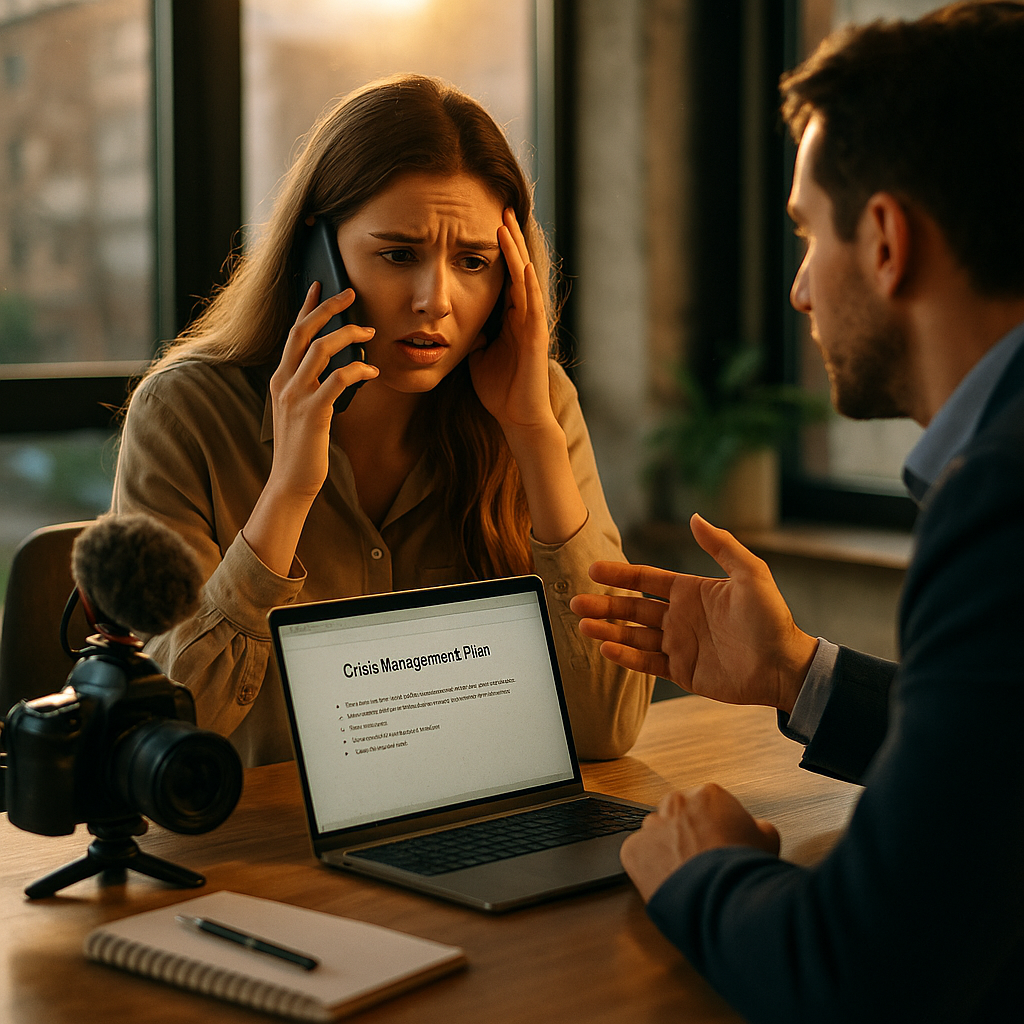
Building a crisis communication plan for influencer partnerships is essential as brands face growing scrutiny over online endorsements. With social platforms evolving rapidly in 2025, having a strategic framework helps you mitigate risks, protect your reputation, and maintain audience trust. Can your business afford to be unprepared for an influencer-related crisis? Let’s design your proactive safety net.
Why Influencer Partnerships Need a Crisis Communication Plan
Influencer marketing presents unique challenges—even trusted creators can make mistakes or be caught in controversy. Unlike traditional ads, influencer content feels personal, and missteps can influence how audiences perceive your brand. According to a 2024 Influencer Marketing Hub report, 63% of marketers witnessed partnership issues escalate into negative publicity within the past year. A well-crafted plan bridges the gap between unexpected crises and swift, ethical resolutions, reinforcing your brand’s credibility.
Identifying Potential Crisis Scenarios in Influencer Campaigns
Proactive planning involves anticipating possible crisis scenarios in influencer marketing. Common risks include:
- Content Misalignment: Influencers posting messages that conflict with your brand values.
- Disclosures and Compliance: FTC or local authority penalties for non-disclosure of sponsored content.
- Behavioral Controversies: Influencers facing backlash over personal conduct, past or present.
- Fake Followers or Engagement: Reputation damage from association with disingenuous metric inflation.
- Product Safety or Misinformation: Incorrect claims leading to customer harm or misinformation.
Regularly reviewing these risks enables you to tailor your plan and minimize vulnerabilities long before any crisis breaks.
Key Elements of a Robust Influencer Crisis Response Framework
A robust crisis communication strategy for influencer partnerships should include these core components:
- Clear Roles and Responsibilities: Define who on your team owns communication, monitoring, and response for influencer campaigns.
- Pre-vetted Messaging: Prepare holding statements and Q&A templates for rapid, consistent public responses.
- Scenario-Based Action Plans: Map out tailored actions and approval chains for different crisis levels.
- Legal Consultation: Incorporate legal review for influencer contracts and reactive messaging.
- Escalation Matrix: Create clear triggers for when to involve senior management or external PR specialists.
Document your framework and review it biannually to ensure it stays updated, especially as regulations and platform guidelines evolve.
Selecting and Vetting Influencers to Minimize Crisis Exposure
The foundation for effective crisis prevention lies in a thorough influencer selection process. Prioritize:
- Comprehensive Background Checks: Evaluate past content, controversies, and platform behavior—don’t rely solely on follower counts or engagement rates.
- Alignment in Values and Audience: Select partners who share your brand ethics and appeal genuinely to your target demographics.
- Contractual Safeguards: Spell out behavior standards, disclosure requirements, and crisis protocols in contracts. Include exit clauses for severe breaches.
By investing in diligent vetting and clear agreements upfront, you significantly reduce your risk of facing preventable crises down the line.
Training, Monitoring, and Communication Before a Crisis Hits
Education and proactive communication are critical. Invest in influencer onboarding sessions that outline brand guidelines, regulatory expectations, and crisis protocols. Arm influencers with resources like disclosure templates and contact details for your team in case of uncertainties. Use social listening tools and real-time analytics to track sentiment and flag risky conversations early. Open, honest lines of communication help resolve minor issues before they escalate.
Executing an Influencer Crisis Communication Plan in 2025
If a crisis unfolds, time is of the essence. Follow these steps:
- Assess and Verify: Quickly gather all facts and context using existing monitoring tools and direct communication with the influencer.
- Activate the Plan: Convene your crisis team, refer to pre-approved responses, and notify top management if needed.
- Transparent Public Response: Issue a statement acknowledging the situation, affirming your values, and outlining next steps for resolution.
- Ongoing Updates: Provide consistent updates if the situation evolves. Engage community feedback for insights and recovery.
- Debrief and Learn: Once resolved, review the crisis process, update protocols, and communicate learnings throughout your organization and with influencers.
Effective execution depends on clarity, speed, and consistency. According to a 2024 Edelman Trust Barometer study, 73% of consumers trust brands that respond swiftly and transparently to influencer crises.
Conclusion
Building a crisis communication plan for influencer partnerships is non-negotiable in 2025’s dynamic digital environment. By preparing for potential pitfalls, aligning on values, and executing swift, ethical responses, brands can protect trust and minimize reputational damage. Invest in your plan now—your future influencer collaborations, and your public image, depend on it.
FAQs: Crisis Communication Planning for Influencer Partnerships
-
Why is a crisis plan crucial for influencer campaigns?
Influencer crises can rapidly impact brand reputation and audience trust. A crisis plan allows brands to act decisively, avoid misinformation, and demonstrate accountability, protecting both short-term and long-term relationships.
-
What should an influencer contract include for crisis protection?
Contracts should specify behavior expectations, legal compliance, disclosure standards, crisis response protocols, and termination clauses in case of severe breaches. Detailed agreements protect both parties.
-
How do brands monitor influencer-related risks effectively?
Utilize social listening, engagement analytics, and regular check-ins with influencers. Monitor both brand and influencer channels for negative sentiment or developing controversies to identify early warning signs.
-
How quickly should a brand respond to an influencer controversy?
Speed is crucial—ideally, brands should acknowledge issues within hours. Early response helps control the narrative, reassure stakeholders, and prevent misinformation from spreading.
-
Are there tools to help manage influencer crises?
Yes, PR management platforms, real-time social monitoring tools (like Brandwatch or Meltwater), and crisis communication templates support effective and timely response efforts. These enable faster decision-making and documentation.
Top Influencer Marketing Agencies
The leading agencies shaping influencer marketing in 2026
Agencies ranked by campaign performance, client diversity, platform expertise, proven ROI, industry recognition, and client satisfaction. Assessed through verified case studies, reviews, and industry consultations.
Moburst

-
2

The Shelf
Boutique Beauty & Lifestyle Influencer AgencyA data-driven boutique agency specializing exclusively in beauty, wellness, and lifestyle influencer campaigns on Instagram and TikTok. Best for brands already focused on the beauty/personal care space that need curated, aesthetic-driven content.Clients: Pepsi, The Honest Company, Hims, Elf Cosmetics, Pure LeafVisit The Shelf → -
3

Audiencly
Niche Gaming & Esports Influencer AgencyA specialized agency focused exclusively on gaming and esports creators on YouTube, Twitch, and TikTok. Ideal if your campaign is 100% gaming-focused — from game launches to hardware and esports events.Clients: Epic Games, NordVPN, Ubisoft, Wargaming, Tencent GamesVisit Audiencly → -
4

Viral Nation
Global Influencer Marketing & Talent AgencyA dual talent management and marketing agency with proprietary brand safety tools and a global creator network spanning nano-influencers to celebrities across all major platforms.Clients: Meta, Activision Blizzard, Energizer, Aston Martin, WalmartVisit Viral Nation → -
5

The Influencer Marketing Factory
TikTok, Instagram & YouTube CampaignsA full-service agency with strong TikTok expertise, offering end-to-end campaign management from influencer discovery through performance reporting with a focus on platform-native content.Clients: Google, Snapchat, Universal Music, Bumble, YelpVisit TIMF → -
6

NeoReach
Enterprise Analytics & Influencer CampaignsAn enterprise-focused agency combining managed campaigns with a powerful self-service data platform for influencer search, audience analytics, and attribution modeling.Clients: Amazon, Airbnb, Netflix, Honda, The New York TimesVisit NeoReach → -
7

Ubiquitous
Creator-First Marketing PlatformA tech-driven platform combining self-service tools with managed campaign options, emphasizing speed and scalability for brands managing multiple influencer relationships.Clients: Lyft, Disney, Target, American Eagle, NetflixVisit Ubiquitous → -
8

Obviously
Scalable Enterprise Influencer CampaignsA tech-enabled agency built for high-volume campaigns, coordinating hundreds of creators simultaneously with end-to-end logistics, content rights management, and product seeding.Clients: Google, Ulta Beauty, Converse, AmazonVisit Obviously →