


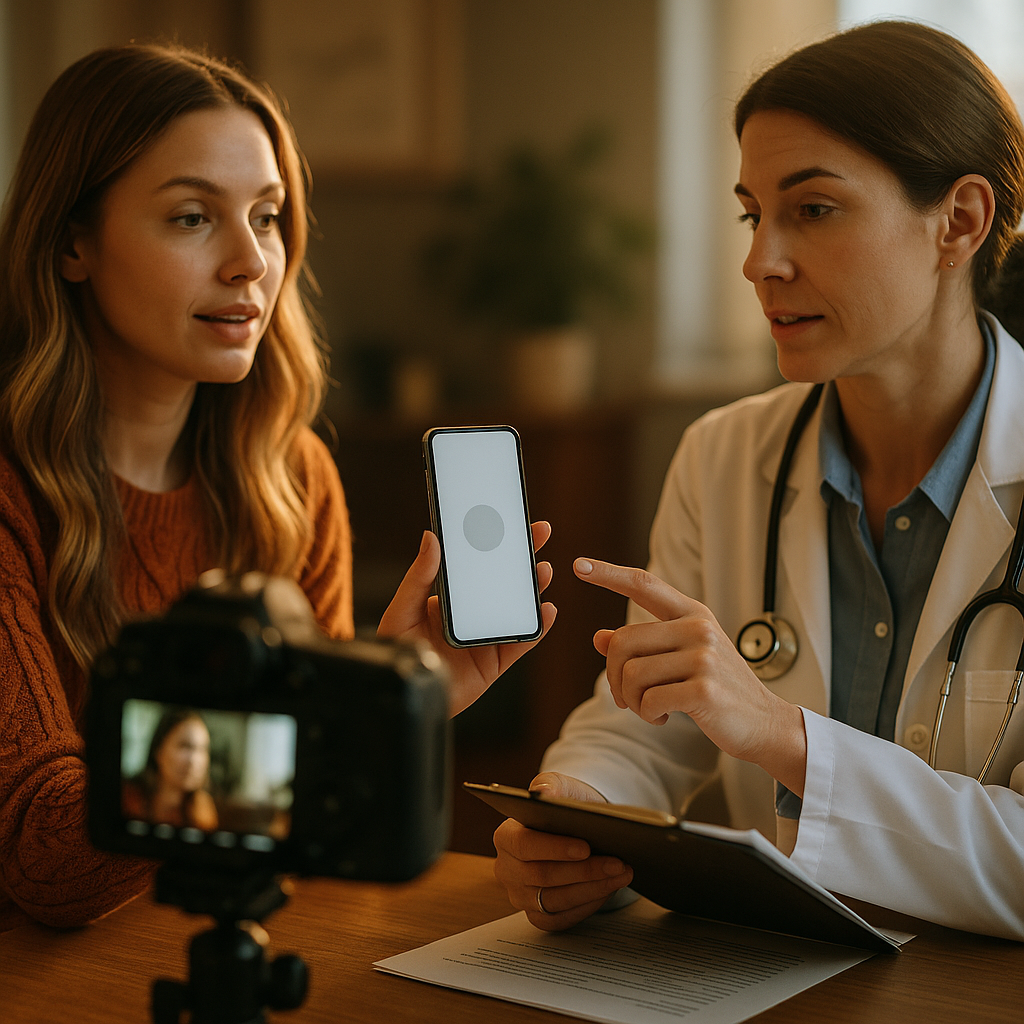
Influencer marketing for healthcare and pharmaceutical brands is reshaping how companies connect with patients and professionals. As regulations evolve and digital communities grow, building credibility while ensuring compliance is more important than ever. Understanding how to use influencers effectively can help your brand reach the right audience and inspire real trust. Ready to discover the keys to successful campaigns in this sensitive sector?
Why Influencer Marketing Matters for Healthcare Brand Awareness
Healthcare brands face a unique challenge: their audiences seek accurate, reliable information about sensitive topics. Recent surveys show over 60% of consumers trust recommendations from real people—including those they follow online—more than traditional advertising. Collaborating with authentic health influencers, such as doctors, nurses, patients, or caregivers, gives pharmaceutical brands the chance to educate, engage, and foster trust.
Influencers who specialize in healthcare and pharmaceutical topics often create content that simplifies complex information, dispels misconceptions, and humanizes brands. With healthcare decisions increasingly shaped by online research and community opinions, influencers become a credible bridge, helping brands establish awareness while upholding educational value.
Ensuring Regulatory Compliance in Pharmaceutical Influencer Campaigns
Pharmaceutical marketing is tightly regulated to protect consumers. In 2025, strict rules remain in effect from authorities like the FDA and the UK’s MHRA. This means every influencer-led campaign must:
- Be accurate and evidence-based, avoiding exaggerated claims
- Clearly disclose any sponsored partnerships or compensation
- Include required product warnings and risk information
- Follow platform-specific advertising guidelines (e.g., Instagram, YouTube)
Work with influencers who understand healthcare communication and are willing to prioritize transparency. Using contracts that lay out compliance expectations—and pre-approving all posts—can safeguard brands from regulatory missteps. It also enhances audience trust, signaling your commitment to ethical information sharing.
How to Find the Right Healthcare Influencers for Your Brand
Healthcare influencer vetting is more nuanced than in fashion or lifestyle. Look for these qualities:
- Credentials: Verify their medical background or patient experience through public profiles or third-party sources.
- Integrity: Check their history for misleading claims or questionable partnerships.
- Engagement: Analyze the quality of comment threads for genuine community interaction.
- Content Accuracy: Look for references to scientific studies, guidelines, and reputable medical sources.
Many healthcare brands succeed by partnering with micro-influencers (1,000–50,000 followers) whose focused communities trust their insights and stories. Patient advocates, medical professionals, and health educators can all drive engagement for awareness campaigns, product launches, or health education series.
Crafting Authentic, Helpful Influencer Content in Healthcare
According to Google’s EEAT (Experience, Expertise, Authoritativeness, Trustworthiness), successful healthcare content online must be accurate, peer-reviewed, and personally relevant. Work with influencers to craft stories or informational pieces that meet these standards by:
- Grounding all product mentions in real-world stories or patient journeys
- Backing up medical claims with links to scientific literature or guidelines
- Using clear, jargon-free language for accessibility
- Encouraging dialogue in comments for community support
Brand-provided assets like testimonials, infographics, or expert interviews help influencers deliver content that is visually engaging and informative. Always prioritize value to the audience—help the influencer answer questions your potential customers are already asking online.
Measuring the Impact of Healthcare Influencer Marketing Strategies
Evaluating the effectiveness of influencer marketing for healthcare and pharmaceutical brands requires tailored key performance indicators (KPIs). Go beyond “likes” to assess:
- Awareness: Increases in branded search queries, web traffic, and social shares
- Engagement: Meaningful comments, direct messages, or shares of educational content
- Trust Metrics: Audience sentiment analysis through positive or insightful feedback
- Conversions: Sign-ups for programs, downloads of patient resources, or qualified leads for HCP outreach
Use UTM tracking links, dedicated landing pages, or unique partner codes to accurately attribute results to each influencer. Regularly review this data to fine-tune partnerships, ensuring ongoing compliance and ROI.
Challenges and Solutions for Pharma Brands Working with Influencers
Brands in this sector often worry about misinformation, adverse event reporting, and the risk of “off-label” promotion. The best solutions include:
- Robust influencer onboarding and healthcare literacy training
- Pre-approved content workflows with legal and medical reviewers
- Monitoring and rapid response plans for user comments or safety concerns
- Clear communication guidelines to address potential questions or adverse events
Don’t let these challenges discourage you. Pharmaceutical brands that invest in ethical collaboration and proactive compliance set themselves apart as leaders in the digital health space.
Influencer marketing for healthcare and pharmaceutical brands thrives on trust, compliance, and authentic education. Prioritize collaborations with credible voices and deploy thorough oversight to ensure safe, effective campaigns. By following these principles, your brand can elevate its message and drive meaningful patient outcomes—while navigating the digital health landscape with confidence.
FAQs: Influencer Marketing in Healthcare and Pharmaceuticals
-
Is influencer marketing allowed in pharmaceutical advertising?
Yes, but it is strictly regulated. Sponsored healthcare and pharmaceutical content must comply with advertising laws, disclose partnerships, and avoid unapproved product claims.
-
What type of influencer works best for pharma brands?
Healthcare professionals, patient advocates, and health-focused micro-influencers typically build the most trust and engagement with both consumers and healthcare providers.
-
How can brands ensure influencer content is compliant?
Brands should provide influencers with clear guidelines, pre-approve all posts, include necessary safety language, and monitor campaigns to ensure all regulations are met.
-
How is ROI measured in healthcare influencer marketing?
Effective measurement includes tracking awareness (web visits, search queries), engagement (comments, shares), and conversions (resource downloads, HCP leads) using analytics and tracking tools.
-
What are the risks of influencer campaigns in pharma marketing?
Risks include misinformation, adverse event reporting obligations, and reputational damage if ethics or compliance are not prioritized. These are mitigated with robust training, content controls, and ongoing oversight.
Top Influencer Marketing Agencies
The leading agencies shaping influencer marketing in 2026
Agencies ranked by campaign performance, client diversity, platform expertise, proven ROI, industry recognition, and client satisfaction. Assessed through verified case studies, reviews, and industry consultations.
Moburst

-
2

The Shelf
Boutique Beauty & Lifestyle Influencer AgencyA data-driven boutique agency specializing exclusively in beauty, wellness, and lifestyle influencer campaigns on Instagram and TikTok. Best for brands already focused on the beauty/personal care space that need curated, aesthetic-driven content.Clients: Pepsi, The Honest Company, Hims, Elf Cosmetics, Pure LeafVisit The Shelf → -
3

Audiencly
Niche Gaming & Esports Influencer AgencyA specialized agency focused exclusively on gaming and esports creators on YouTube, Twitch, and TikTok. Ideal if your campaign is 100% gaming-focused — from game launches to hardware and esports events.Clients: Epic Games, NordVPN, Ubisoft, Wargaming, Tencent GamesVisit Audiencly → -
4

Viral Nation
Global Influencer Marketing & Talent AgencyA dual talent management and marketing agency with proprietary brand safety tools and a global creator network spanning nano-influencers to celebrities across all major platforms.Clients: Meta, Activision Blizzard, Energizer, Aston Martin, WalmartVisit Viral Nation → -
5

The Influencer Marketing Factory
TikTok, Instagram & YouTube CampaignsA full-service agency with strong TikTok expertise, offering end-to-end campaign management from influencer discovery through performance reporting with a focus on platform-native content.Clients: Google, Snapchat, Universal Music, Bumble, YelpVisit TIMF → -
6

NeoReach
Enterprise Analytics & Influencer CampaignsAn enterprise-focused agency combining managed campaigns with a powerful self-service data platform for influencer search, audience analytics, and attribution modeling.Clients: Amazon, Airbnb, Netflix, Honda, The New York TimesVisit NeoReach → -
7

Ubiquitous
Creator-First Marketing PlatformA tech-driven platform combining self-service tools with managed campaign options, emphasizing speed and scalability for brands managing multiple influencer relationships.Clients: Lyft, Disney, Target, American Eagle, NetflixVisit Ubiquitous → -
8

Obviously
Scalable Enterprise Influencer CampaignsA tech-enabled agency built for high-volume campaigns, coordinating hundreds of creators simultaneously with end-to-end logistics, content rights management, and product seeding.Clients: Google, Ulta Beauty, Converse, AmazonVisit Obviously →