


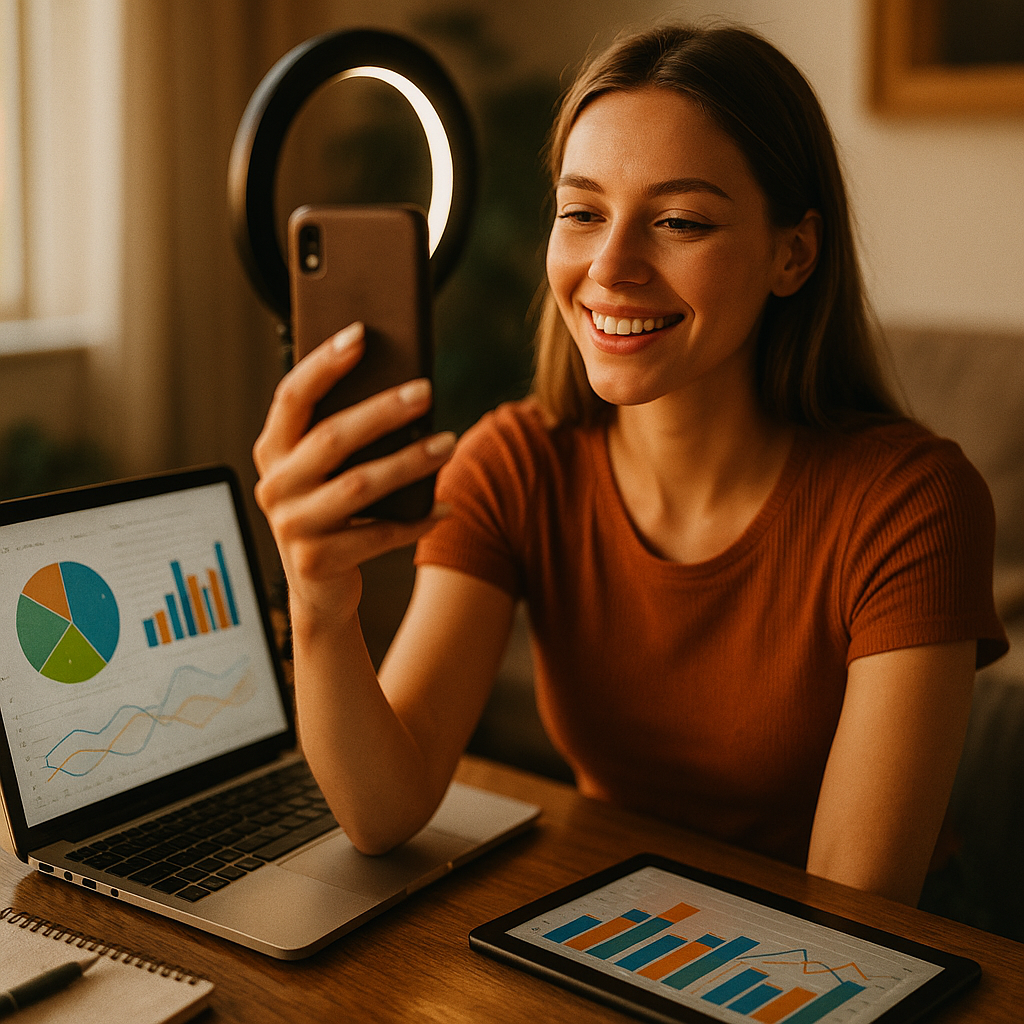
Media mix modeling is revolutionizing marketing measurement in 2025, enabling brands to allocate budgets with greater precision. As influencer marketing matures, brands are asking: where does influencer fit within media mix modeling? This article explores how influencers are analyzed, measured, and optimized in today’s complex marketing mix, offering actionable insights for modern marketers.
Understanding Media Mix Modeling in Modern Marketing
Media mix modeling (MMM) is the analytical process of quantifying the impact of various marketing channels on sales and conversions. By using statistical analysis, marketers in 2025 can identify not just what works, but exactly how well. With a multi-channel landscape that now includes social platforms, digital, TV, retail media, and influencer campaigns, MMM has adapted to reflect true consumer behavior.
At its core, MMM provides marketers the data-driven insights needed to optimize campaign spend for maximum ROI. The methodology evaluates both online and offline media, helping to answer burning questions about attribution, reach, and incremental lift. With advances in data collection and privacy standards, MMM is more robust, transparent, and actionable than ever.
How Influencer Marketing Evolves in the Media Mix
Influencer marketing has become a mainstay in the digital ecosystem, influencing everything from product launches to consumer trust. In 2025, its share of marketing budgets has increased, driven by authenticity, niche targeting, and measurable brand outcomes. This evolution raises a pivotal question: how is influencer marketing incorporated into sophisticated MMM strategies?
Modern MMM platforms categorize influencers as distinct media channels, separate from traditional social ad spend. Key variables such as audience demographics, content type, frequency of posting, and engagement rates are integrated into models, allowing brands to isolate influencer-driven outcomes. Brands also differentiate between paid, owned, and earned influencer content, reflecting the channel’s multifaceted value.
Measuring Influencer Marketing’s True Impact
Quantifying influencer performance within MMM requires advanced analytics. Brands no longer rely solely on vanity metrics like likes or follower counts. Instead, measurement focuses on:
- Incremental Sales Lift: Tracking direct lifts in sales or conversions that can be attributed to influencer-driven activities, using unique codes, tracked URLs, and multi-touch attribution.
- Brand Uplift: Measurement of shifts in brand awareness, consideration, and trust using post-campaign surveys and sentiment analysis.
- Cross-Channel Synergy: Evaluating how influencer activations enhance or amplify the effect of other marketing channels in the mix, such as boosting paid social performance or driving organic search traffic.
Recent studies in 2025 indicate that influencer campaigns often deliver 3-5x higher ROI when integrated into a diversified media mix compared to siloed execution. By including influencers in MMM, brands can allocate resources with greater confidence and make clear comparisons with other paid, owned, and earned channels.
Best Practices for Including Influencers in Media Mix Modeling
To generate actionable results from media mix modeling, it’s critical to approach influencer marketing with robust data collection and clear objectives. Follow these best practices:
- Standardize Tracking: Equip influencers with UTM-coded links, unique discount codes, and clear CTAs to improve data granularity.
- Segment Influencer Types: Model separately for nano, micro, macro, and celebrity influencers, as their reach, engagement, and impact vary significantly.
- Attribute Proper Weight: Account for delayed or nonlinear effects, as influencer buzz may accelerate over weeks rather than days.
- Integrate Qualitative Signals: Blend quantitative data with qualitative insights—such as community feedback and earned PR—to enrich models.
- Update Models Regularly: Incorporate fresh influencer data each quarter to reflect trends, platform algorithm changes, and shifting consumer behavior.
Following these guidelines ensures that influencer marketing is modeled as accurately and credibly as established digital and offline channels.
The Future of Influencer Marketing in Media Mix Models
Looking ahead, AI-powered MMM platforms are making influencer measurement even more sophisticated. Driven by large language models and computer vision, these platforms can analyze massive volumes of creator content, automatically tag brand mentions, and estimate sentiment at scale. Advances in privacy-compliant tracking solutions also help maintain individual consumer confidentiality while increasing measurement precision.
Another key trend is the integration of retail media and commerce data. With social commerce on the rise, influencer campaigns are increasingly measured both by engagement and attributed in-platform purchases. Cross-channel measurement—combining influencer, social, search, TV, and retail impact—gives marketers a true 360-degree view of consumer journeys in 2025.
Conclusion: Integrating Influencers for Maximum Impact
In 2025, influencer marketing is not just a creative outlier; it’s a quantifiable component of the marketing media mix. By integrating influencers into media mix modeling, brands can prove true ROI and make smarter budget decisions. Brands that embrace advanced MMM will capture the real impact of influencers and lead their categories with greater efficiency.
FAQs: Media Mix Modeling and Influencer Marketing
-
How are influencers categorized in media mix modeling?
Influencers are typically treated as a separate channel within the media mix, with activity segmented by influencer tier, campaign type, and platform. This enables brands to measure performance distinct from paid social or branded content.
-
What data is needed to include influencer campaigns in an MMM?
Essential data includes spend, post timing, reach, engagement, placements, and conversion metrics like tracked sales or leads. UTM parameters and discount codes are often used to improve attribution accuracy.
-
Can MMM account for long-term influencer impact?
Yes. Modern MMM models account for lag effects and persistent influence, capturing both immediate and sustained lifts in brand or sales performance from influencer activity.
-
What are common pitfalls when measuring influencers in the media mix?
Pitfalls include inconsistent tracking, underestimating the synergy with other channels, and failing to differentiate influencer types. Use rigorous data standards and regular model updates to overcome these issues.
-
How can brands maximize the value of influencer measurement in MMM?
Standardize influencer tracking, model for synergy with other channels, and continually refresh data. Use both quantitative metrics and qualitative cues—such as sentiment and authenticity—to assess the full impact.