


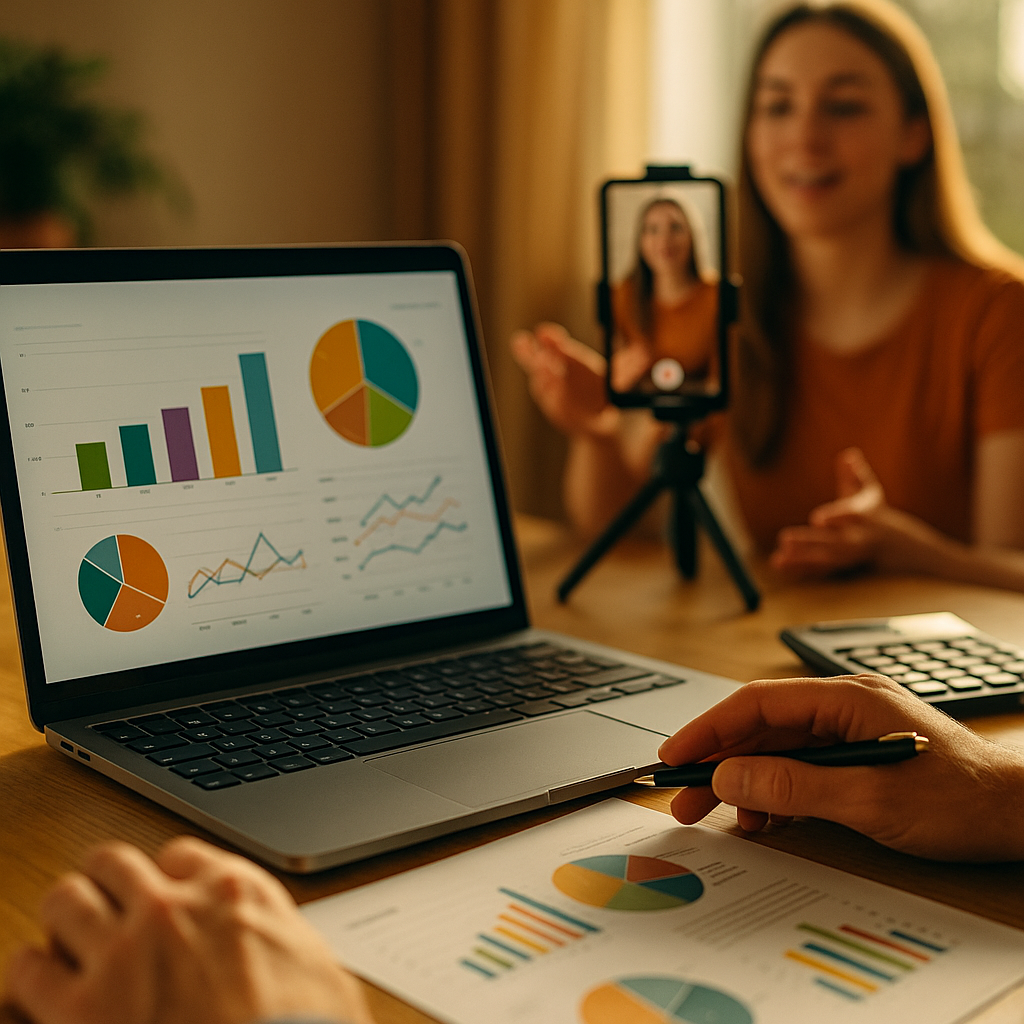
Media mix modeling has become essential for marketers aiming to quantify the impact of every channel within their marketing strategies. As brands invest in influencer partnerships, understanding where influencer fits in the pie is crucial for optimizing budgets and boosting ROI. Explore how influencer marketing integrates with, and enhances, your media mix model for measurable growth.
Understanding Media Mix Modeling in a Multi-Channel World
Media mix modeling (MMM) uses statistical analysis to determine the effectiveness of various marketing channels on sales or other key outcomes. Traditionally, MMM focused on paid, owned, and earned media like TV, radio, out-of-home, and digital ads. In today’s marketing landscape, brands face a daunting array of channels requiring nuanced aggregation, measurement, and optimization.
Marketers use MMM to:
- Allocate budgets more effectively across channels
- Identify which combinations drive the best outcomes
- Optimize ROI by adjusting investments in real time
The challenge: new digital channels—including influencer marketing—often lack standardized metrics, making them harder to incorporate compared to legacy media. Yet, influencer marketing’s rise as a top consumer touchpoint demands its rightful place within the media mix framework.
Why Influencer Marketing Matters in the Media Mix Model
Influencer marketing is more than just a trend—it’s a high-impact tactic with the potential to sway consumer decisions at scale. According to a GlobalWebIndex survey in 2025, over 60% of Gen Z and Millennial consumers trust influencer recommendations over traditional ads. This trust factor, combined with influencers’ targeted reach, make them a potent force in driving brand awareness, engagement, and even conversions.
Here’s why influencer fits prominently in the MMM pie:
- Authentic Engagement: Influencers create relatable content that sparks conversations and builds trust.
- Precision Targeting: Brands access niche audiences that may not be reached via mainstream channels.
- Measurable Value: Modern influencer campaigns track reach, sentiment, clicks, and conversions, feeding valuable data into the media mix model.
Recognizing influencer marketing’s efficacy ensures brands don’t overlook a channel that has become fundamental in the path to purchase.
Integrating Influencer Marketing into Your Media Mix Model
To maximize return, influencer marketing must be measured alongside all other channels within your media mix. Successful integration begins with standardized data input, such as impressions, engagement rate, click-throughs, and attributed sales. Accurate cross-channel comparison is possible only when influencer metrics align with broader digital KPIs.
Follow these best practices:
- Define Clear Goals: Outline specific objectives—increasing awareness, driving site visits, generating sales—so influencer performance can be quantified in line with other media.
- Collect Unified Data: Use tracking links, pixel tags, and unique discount codes to pinpoint influencer-driven activity.
- Sync Creatively: Merge influencer content with paid social, display campaigns, and branded website content for amplified effect and clearer attribution.
By aligning influencer campaign data with the broader media mix, marketing teams can more accurately determine incremental lift and ROI.
Challenges to Accurate Attribution of Influencer Impact
Measuring influencer marketing’s direct impact presents several hurdles. First, the effects can be both immediate and long-tail; consumer behavior might shift days or weeks after exposure. Second, influencer touchpoints are often one of many that a customer encounters on their journey, creating overlap that complicates clear attribution.
Overcome these obstacles by:
- Implementing Multi-Touch Attribution: Assign weighted value to influencer-driven interactions across the buying journey, not just last-click.
- Leveraging Advanced Analytics: Blend MMM with methods like time-series analysis and machine learning to isolate influencer effects from other variables.
- Using Brand Lift Studies: Conduct controlled experiments to measure changes in awareness or favorability following influencer activations.
These approaches, though more sophisticated, are now more accessible thanks to marketing technology that automates measurement and data integration, making influencer marketing a more reliable part of your media mix analysis.
Optimizing Budget Allocation: Influencer’s Share in the Media Pie
With robust integration and attribution in place, marketers can regularly assess influencer marketing’s share in the overall media mix. Early 2025 studies by eMarketer show brands increasing their influencer budget as a percentage of spend, with some allocating as much as 15-25% of digital marketing outlays to influencer-led campaigns.
Factors influencing optimal influencer allocation include:
- Category & Target Audience: Vertical sectors such as beauty, fitness, and consumer tech see outsized returns from influencers.
- Creative Synergy: Maximize ROI by pairing influencer content with owned and paid channels for a seamless narrative.
- Performance Benchmarks: Compare influencer-driven metrics with other channels, adapting budgets based on results.
Regular analysis ensures influencer investments are responsive, evidence-based, and never siloed. This data-driven approach prevents overspending or underutilizing a crucial, high-potential channel.
Future-Proofing Your Media Mix: Embracing Influencer Innovation
As consumer behaviors shift in 2025, influencer marketing’s role is evolving beyond sponsorships to long-term brand collaborations, social commerce, and even co-created product launches. MMM frameworks must keep pace, ensuring flexibility for emerging metrics such as creator-driven sales, platform partnerships, and new engagement KPIs.
Stay ahead by:
- Testing New Formats: Experiment with influencers on live streaming platforms, short-form video, and interactive content.
- Investing in Analytics: Adopt unified measurement tools to capture influence across all digital touchpoints.
- Nurturing Relationships: Focus on repeat partnerships for reliable results and richer data over time.
Brands that continually update their MMM with influencer innovation will outpace competitors in connecting with audiences—while delivering provable, incremental value.
Conclusion: Influencer’s Integral Role in Media Mix Modeling
Influencer marketing has cemented its place as a critical—and measurable—component of modern media mix modeling. Equipped with standardized metrics and integrated analytics, brands can confidently assign influencers their rightful share of the pie for maximum impact. Harnessing influencer marketing’s full potential is not optional but necessary for success in the evolving, data-driven landscape.
Frequently Asked Questions About Media Mix Modeling & Influencer Marketing
-
How does influencer marketing differ from other channels in media mix modeling?
Influencer marketing drives trust and engagement through authentic content and niche targeting. Unlike traditional channels, attribution may be complex, requiring unified metrics and advanced analytics for accurate measurement within the media mix.
-
What KPIs should be tracked for influencer marketing in MMM?
Track impressions, engagement rates, clicks, attributed sales, brand lift, and conversion rates. Use pixel tracking and unique codes to integrate this data into your broader media mix analysis.
-
How much budget should I allocate to influencer marketing?
Allocation varies by industry, goals, and previous performance. In 2025, many brands dedicate between 15-25% of digital spend to influencer marketing, reassessing regularly to match channel ROI.
-
Can MMM show the long-term impact of influencer campaigns?
Yes. By applying multi-touch attribution and advanced analytics, MMM can help quantify both immediate and sustained effects of influencer engagements throughout the customer journey.
-
Is influencer marketing suitable for B2B as well as B2C?
Absolutely. B2B brands use influencers to reach targeted decision-makers, build credibility, and amplify messaging, making influencer an increasingly vital channel across sectors.