


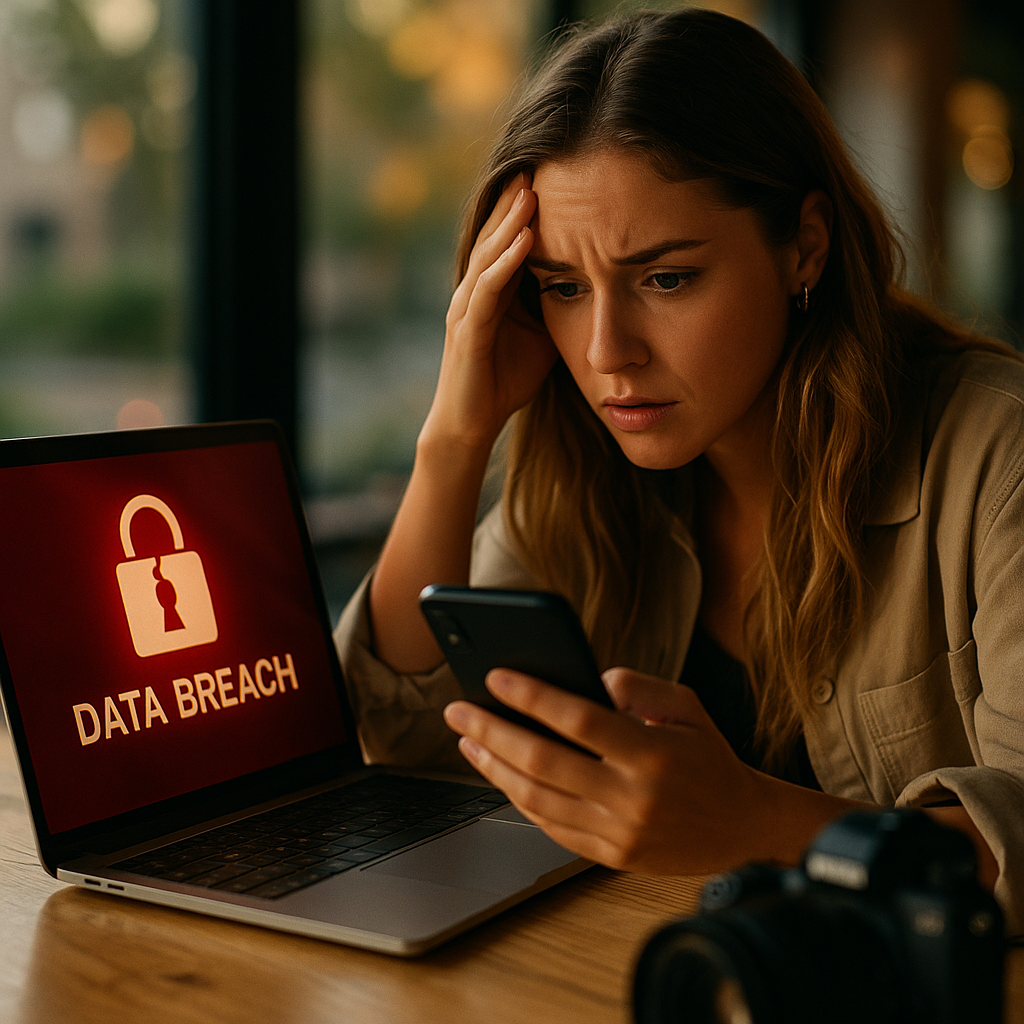
The topic of influencer partnerships has become ever more important in 2025, but even the most promising collaborations can be derailed by a data breach. This post-mortem dissects a major influencer partnership that unraveled due to compromised data, offering insights that every brand and influencer must heed. Discover what went wrong and how to avoid similar setbacks.
The Influencer Partnership Landscape in 2025
Influencer partnerships remain essential in brand marketing strategies in 2025. According to a recent Statista report, 74% of companies have increased spending on influencer collaborations. These partnerships go beyond sponsored posts—they’re built on trust, brand affinity, and shared audience values. Yet, the complexity of digital ecosystems means any breach of trust, especially through a data breach, can have severe, long-lasting effects.
In this environment, both influencers and brands juggle sensitive audience data, personal messaging, and high-profile campaigns. Security is not just a technical concern; it’s central to protecting reputation and value on both sides. As data privacy expectations climb, so does the potential fallout from mishandled information.
Understanding the Data Breach Timeline
A comprehensive post-mortem begins with a clear timeline. In this partnership, a widely-followed influencer and a global beauty brand joined forces for an exclusive product launch. With shared audience insights, cross-platform analytics, and targeted content, the campaign’s reach promised impressive results.
- Day 1-30: Preparation—data integration, campaign planning, launching email list signups, and sharing analytics dashboards on a shared cloud service.
- Day 31: A critical breach—an unauthorized party accessed sensitive customer details, including emails and behavioral analytics.
- Post-breach 1-3 days: Erratic follower engagement and multiple reports from customers of phishing attempts began surfacing.
- Day 4: The breach was confirmed; public relations statements issued by both parties. The campaign was paused.
- Following weeks: Loss of trust became evident through negative social sentiment, partnership tension, and decline in campaign KPIs.
This timeline underscores how quickly a data breach can unravel even the most carefully crafted influencer partnership, putting years of reputation and months of planning at risk.
The Immediate Impact on Brand Reputation and Influencer Trust
Trust is the foundation of any successful influencer partnership. The data breach caused an immediate crisis of confidence for both brand and influencer. Audience sentiment shifted almost overnight, as followers questioned how their information had been handled. According to a 2025 report by Cybersecurity Insights, 68% of consumers say they lose trust in brands and personalities involved in a breach—even when resolution is swift.
For the influencer, whose authenticity is integral to their career, the backlash was personal and professional. Negative comments flooded their feeds. Followers demanded transparency and accountability, not just apologies. The brand faced similar pressures, compounded by regulator scrutiny and media coverage.
- Audience Churn: Substantial drops in followers and email subscribers were recorded following the breach announcement.
- Campaign Value Loss: Budgeted goals went unmet, and planned future collaborations were called into question or canceled outright.
- Long-term Sentiment: Persistent negative sentiment on social platforms and in email feedback suggested lasting damage.
Lessons Learned: How the Data Breach Happened
The forensic investigation revealed several reasons why the partnership was vulnerable:
- Cloud Security: The joint analytics dashboard used weak password protocols, and multi-factor authentication (MFA) was not enforced. This allowed a phishing attack to succeed.
- Poor Data Segmentation: Both sides pooled data in a single environment, without granular access controls. This broadened the attack surface.
- Human Error: A campaign manager inadvertently clicked a malicious link, giving attackers a foothold into the shared system.
- Inadequate Training: Neither team had run a recent security awareness training session, leaving them unequipped to spot and respond to modern threats.
These root causes are unfortunately common. In 2025, the average attack exploits both technological and human inefficiencies. If brands and influencers don’t regularly audit security settings, update policies, and conduct joint risk assessments, they are leaving themselves wide open.
Mitigation Strategies for Future Influencer Collaborations
Preventing a repeat starts with mutual responsibility and actionable steps, not just in the aftermath but at every phase of partnership. Here’s how brands and influencers can raise their security posture in 2025:
- Security-First Contracts: Make cybersecurity protocols, including mandatory MFA and regular audits, a non-negotiable part of partnership agreements.
- Segregated Data Environments: Use secure, collaboration-specific platforms for sharing campaign data rather than personal or business accounts.
- Joint Cybersecurity Training: Schedule annual security awareness sessions tailored for influencers and brand teams, with live drills.
- Crisis Communication Playbooks: Prepare joint public statements and escalation plans for potential data incidents. Transparency restores stakeholder confidence faster.
- Regular Penetration Testing: Commission third-party experts to stress-test campaign infrastructure before launching high-profile initiatives.
By implementing these strategies, brands and influencers can collaborate with greater confidence—and assure audiences their data is treated with the utmost care.
Long-Term Recovery: Rebuilding Trust After a Data Breach
Recovery is possible, but it requires decisive, authentic action. Both brand and influencer began their journey back by owning up to the breach, not shifting blame, and laying out a detailed remediation plan. Tactics that accelerated recovery included:
- Proactive Communication: Regular updates through social media, email, and earned media kept all stakeholders informed of investigation progress and policy changes.
- Investing in Community Support: The influencer hosted live Q&As, inviting direct feedback and questions about the incident and future safeguards.
- Enhanced Security Guarantees: Both parties announced new protocols, including end-to-end encryption and accreditation from independent security auditors.
- Exclusive Re-engagement Opportunities: Affected customers were offered early access, discounts, and dedicated support channels as an apology and incentive to stay.
As of mid-2025, while some reputational dents remain, both the brand and influencer have seen gradual returns in engagement and positive sentiment, illustrating that transparent, audience-first action is the best cure for data breach fallout.
Frequently Asked Questions
-
How common are data breaches in influencer partnerships in 2025?
Data breaches in influencer partnerships have become more common, with increased data sharing and collaboration tools in use. Recent cybersecurity research notes a 32% year-over-year rise in attacks targeting shared marketing environments.
-
What are the first steps to take after discovering a breach?
Immediately isolate compromised systems, inform all collaborators, notify affected users, and consult cybersecurity experts for a forensic audit. Transparent communication is critical to preserve audience trust.
-
Can influencer reputations recover after a cyber incident?
Yes, influencer reputations can recover—but only with transparency, accountability, and visible policy changes. Communities expect direct engagement and concrete steps to address and prevent future incidents.
-
How should influencers and brands collaborate on data security?
Both parties should integrate security requirements in contracts, conduct joint assessments, use secure cloud solutions with robust access controls, and schedule regular cyber awareness training for all participants.
-
Is it better to pause campaigns during a breach?
Pausing ongoing campaigns is recommended to prevent further exposure, reduce misinformation, and refocus on damage control. Resuming should only occur after thorough remediation and communication to all stakeholders.
In sum, the fallout from a data breach can devastate even the most robust influencer partnerships. By learning from past failures and proactively strengthening joint security, brands and influencers can protect trust, reputation, and audience loyalty—in 2025 and beyond.
Top Influencer Marketing Agencies
The leading agencies shaping influencer marketing in 2026
Agencies ranked by campaign performance, client diversity, platform expertise, proven ROI, industry recognition, and client satisfaction. Assessed through verified case studies, reviews, and industry consultations.
Moburst

-
2

The Shelf
Boutique Beauty & Lifestyle Influencer AgencyA data-driven boutique agency specializing exclusively in beauty, wellness, and lifestyle influencer campaigns on Instagram and TikTok. Best for brands already focused on the beauty/personal care space that need curated, aesthetic-driven content.Clients: Pepsi, The Honest Company, Hims, Elf Cosmetics, Pure LeafVisit The Shelf → -
3

Audiencly
Niche Gaming & Esports Influencer AgencyA specialized agency focused exclusively on gaming and esports creators on YouTube, Twitch, and TikTok. Ideal if your campaign is 100% gaming-focused — from game launches to hardware and esports events.Clients: Epic Games, NordVPN, Ubisoft, Wargaming, Tencent GamesVisit Audiencly → -
4

Viral Nation
Global Influencer Marketing & Talent AgencyA dual talent management and marketing agency with proprietary brand safety tools and a global creator network spanning nano-influencers to celebrities across all major platforms.Clients: Meta, Activision Blizzard, Energizer, Aston Martin, WalmartVisit Viral Nation → -
5

The Influencer Marketing Factory
TikTok, Instagram & YouTube CampaignsA full-service agency with strong TikTok expertise, offering end-to-end campaign management from influencer discovery through performance reporting with a focus on platform-native content.Clients: Google, Snapchat, Universal Music, Bumble, YelpVisit TIMF → -
6

NeoReach
Enterprise Analytics & Influencer CampaignsAn enterprise-focused agency combining managed campaigns with a powerful self-service data platform for influencer search, audience analytics, and attribution modeling.Clients: Amazon, Airbnb, Netflix, Honda, The New York TimesVisit NeoReach → -
7

Ubiquitous
Creator-First Marketing PlatformA tech-driven platform combining self-service tools with managed campaign options, emphasizing speed and scalability for brands managing multiple influencer relationships.Clients: Lyft, Disney, Target, American Eagle, NetflixVisit Ubiquitous → -
8

Obviously
Scalable Enterprise Influencer CampaignsA tech-enabled agency built for high-volume campaigns, coordinating hundreds of creators simultaneously with end-to-end logistics, content rights management, and product seeding.Clients: Google, Ulta Beauty, Converse, AmazonVisit Obviously →