


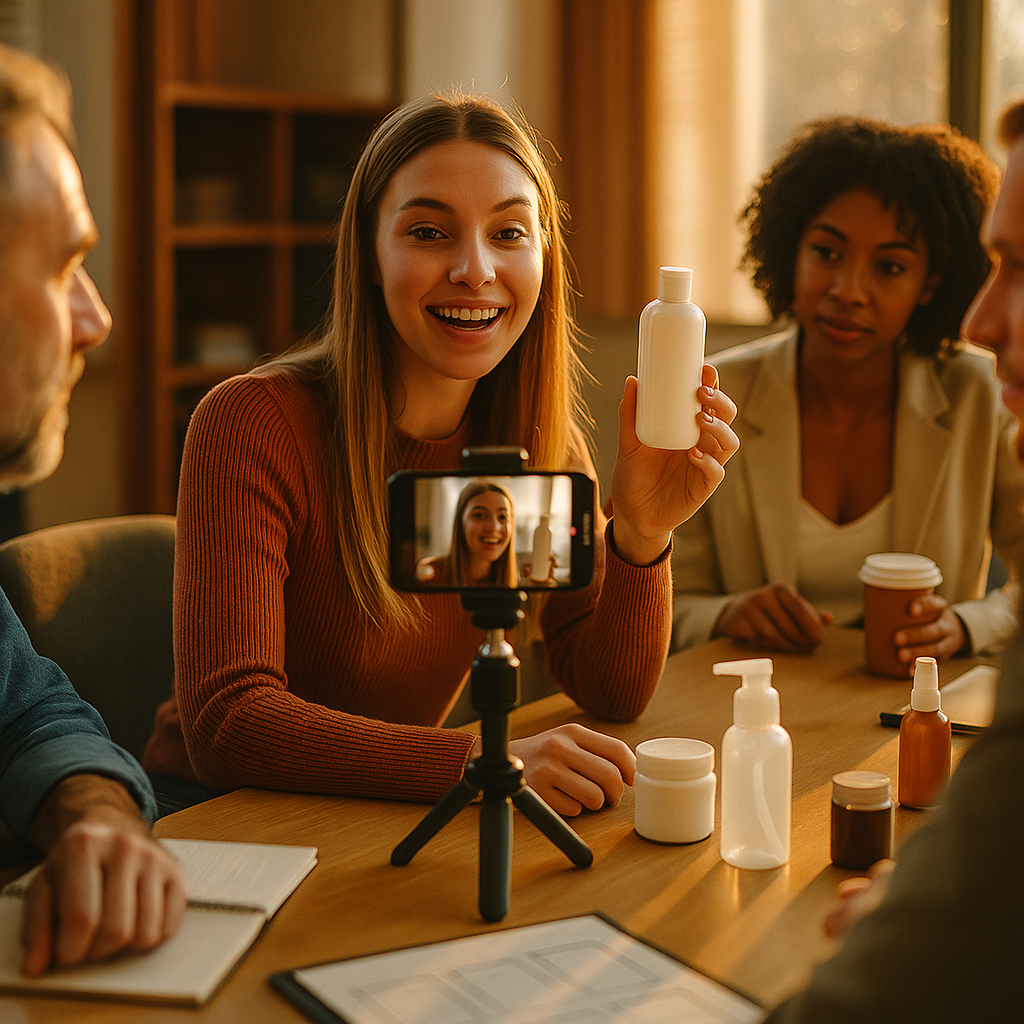
In the evolving world of consumer insights, the role of influencers in product focus groups has become increasingly pivotal. Brands now seek the expertise and reach of digital creators not just for promotion but for authentic feedback and idea validation. Why are influencers the new power players in gathering actionable product insights? Read on to discover their transformative impact.
How Influencer Participation Elevates Focus Group Research
Product focus groups have traditionally consisted of average customers, but including influencers in these panels is changing the landscape. Their industry expertise, niche audiences, and trend-sensitivity offer valuable feedback that standard consumers may overlook. Influencers often act as early adopters; they’re quick to identify product flaws and strengths, providing actionable guidance from both a creator and consumer standpoint.
Unlike regular participants, influencers think beyond personal preference—they consider what will resonate with their audience. According to a 2024 Social Listening Report, products refined through influencer-led focus groups saw a 44% higher consumer engagement rate post-launch compared to products tested traditionally. Their dual lens amplifies the value of feedback for brands seeking authenticity and reach.
Why Brands Choose Influencers for Product Feedback
Influencers are uniquely positioned to bridge the gap between brands and their ideal customers. Most have spent years cultivating trust with dedicated audiences who look to them for recommendations. Thus, when influencers offer insights in product focus groups, they not only reflect their preferences but also those of a wider, engaged community.
Brands recognize this multiplier effect. A carefully selected influencer can provide:
- Expert knowledge of niche trends and competitive products
- Authentic, audience-centric feedback
- Exposure to diverse consumer perspectives
- Greater buy-in for product adjustments suggested during groups
Moreover, influencers’ commercial acumen—developed through brand partnerships—means they understand product positioning and market needs, ensuring feedback is both strategic and practical.
Influencer Diversity and the Importance of EEAT in Focus Groups
To garner trustworthy, well-rounded insights, brands are increasingly diversifying their influencer focus groups across demographics, content formats, and engagement styles. This aligns with Google’s EEAT (Experience, Expertise, Authoritativeness, and Trustworthiness) principles, ensuring information gathered is credible and actionable.
Experience: Brands select influencers with direct, hands-on experience in relevant categories, whether beauty, tech, wellness, or gaming.
Expertise: Many influencers hold certifications or have deep domain knowledge, making their critiques especially valuable for technical products.
Authoritativeness: High-authority influencers are seen as thought leaders. Their validation or criticism can set industry standards.
Trustworthiness: Transparency around sponsorships and honest product reviews ensures the authenticity of focus group feedback, with many brands requiring disclosure of any potential biases.
This multi-layered approach guarantees that product development is informed by experienced, reliable voices, leading to stronger offerings in competitive markets.
Integrating Influencer Insights Across the Product Lifecycle
The value of influencer input extends far beyond initial concept testing. Brands are now embedding influencers at every stage of the product lifecycle, from ideation through post-launch refinement.
- Concept Development: Influencers provide real-world context, helping shape features and aesthetics based on emerging trends.
- Prototype Testing: Their feedback on usability and appeal ensures prototypes align with consumer expectations.
- Pre-Launch Feedback: As beta testers, influencers detect final tweaks needed for a successful market debut.
- Post-Launch Review: Their public reviews and tutorials generate buzz, while behind-the-scenes feedback guides future updates.
This integrated collaboration ensures that products resonate with target audiences, leveraging influencers’ community insights for holistic product success in 2025 and beyond.
Risks, Best Practices, and Maximizing Value From Influencer Focus Groups
While the benefits are clear, there are risks to relying too heavily on influencer feedback. Potential pitfalls include:
- Bias: Influencers may have commercial interests that skew feedback.
- Lack of Representativeness: Their tastes may not fully reflect broader target audiences.
- Overexposure: Too much reliance on influencer insights can lead to homogenized products lacking originality.
To maximize value, brands should follow these best practices:
- Combine influencer and traditional consumer panels for balanced perspectives.
- Vary influencer types—micro, macro, and niche—for diverse insights.
- Insist on transparency regarding partnerships and compensation.
- Use structured feedback forms to ensure actionable, comparable data.
- Continually measure the effectiveness of influencer-led focus group insights on final product outcomes.
These steps ensure brands benefit from influencer expertise without losing touch with broader consumer needs.
Case Studies: Influencers in Focus Groups Driving Product Innovation
Many leading companies are now sharing case studies that underscore the power of influencers in product focus groups:
- Tech: A wearable tech brand in 2025 credited its market-leading battery life and UX design to feedback from lifestyle and health influencers during the beta phase.
- Beauty: Skincare brands working with dermatologists-turned-influencers received nuanced ingredient feedback, leading to safer, more effective formulas.
- Food: Vegan influencers influenced a snack brand to reformulate and earn a “Certified Vegan” label, resulting in a 30% boost in sales post-launch.
In each case, influencer insights not only enhanced product quality but ensured messaging and positioning resonated with target consumers, demonstrating the importance of their involvement throughout the development journey.
Frequently Asked Questions
-
Why include influencers in product focus groups?
Brands include influencers to access expert insights, industry trends, and feedback representing engaged communities. Their participation helps refine products, align marketing strategies, and generate authentic buzz pre- and post-launch.
-
How do influencer-led focus groups differ from traditional focus groups?
Influencer-led groups blend creator expertise with consumer perspectives. Participants offer strategic, trend-driven feedback, and results often lead to higher engagement and sales after launch compared to standard groups.
-
Do influencer focus groups introduce bias?
There is potential for bias due to commercial interests or non-representative tastes. Brands mitigate this by combining influencers with traditional consumers and ensuring transparency and diversity within the group.
-
How do brands select influencers for product testing?
Brands choose influencers based on relevance, audience demographics, content expertise, engagement rates, and prior experience with product testing. They prioritize authenticity and trustworthiness to maximize valuable feedback.
-
What are the main benefits of involving influencers in product development?
Key benefits include trend-led feedback, endorsement potential, faster viral reach, and the ability to predict real-world market reactions. Influencer-driven insights often result in more successful, consumer-focused product launches.
Bringing influencers into product focus groups offers brands powerful, actionable insights grounded in real-world trends and community needs. By thoughtfully integrating influencers and adhering to EEAT principles, companies create products that win favor with consumers and influencers alike—a proven formula for standout launches and enduring brand trust in 2025.