


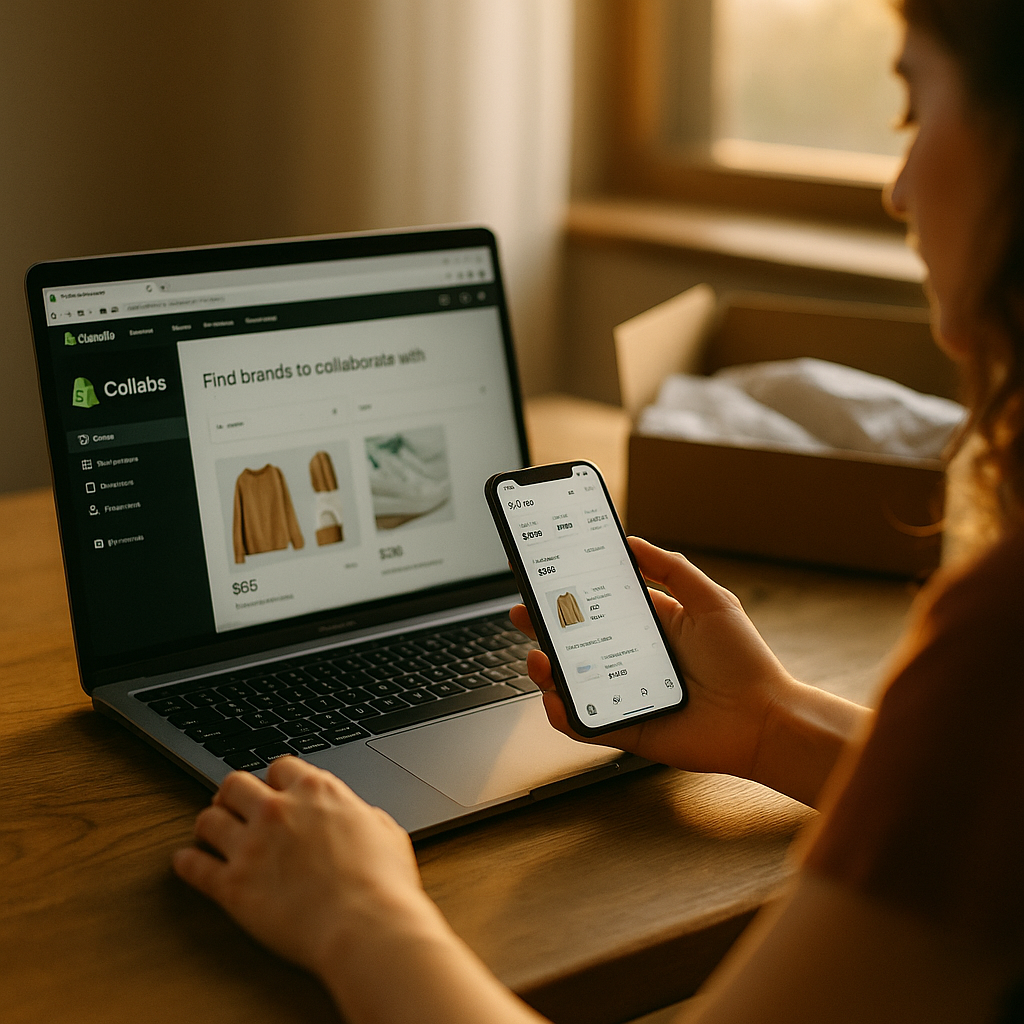
Shopify Collabs is rapidly changing how DTC brands approach influencer marketing and partnerships. By connecting merchants with creators, this Shopify tool promises streamlined collaboration—but is it right for your business in 2025? Explore the key pros and cons of Shopify Collabs to decide if it fits your brand’s growth strategy.
Understanding Shopify Collabs for Direct-to-Consumer Brands
Shopify Collabs helps direct-to-consumer (DTC) brands discover, recruit, and manage influencers and creators directly from the Shopify dashboard. It automates outreach and campaign management, aiming to simplify relationship-building in an increasingly crowded ecommerce landscape. In 2025, with influencer marketing projected to surpass $24 billion globally, understanding how Shopify Collabs works is crucial for DTC brands hoping to stay competitive.
The platform offers a creator marketplace, application management, affiliate tracking, and payment integrations. These features can save valuable time and resources, especially for brands scaling rapidly. However, before investing, it’s important to assess how these tools align with your brand’s unique needs and goals.
Shopify Collabs Pros: Influencer Discovery and Campaign Automation
One significant advantage of Shopify Collabs is streamlined influencer discovery. Brands gain access to a vast pool of vetted creators whose interests align with their products. AI-driven suggestions and detailed profile filters enable more targeted collaborations, enhancing campaign relevance and ROI. This is a major step up from manual outreach or disjointed spreadsheets.
Automation boosts efficiency. Collabs manages campaign invites, offers, affiliate links, and gift fulfillment in one dashboard. With automated tracking and robust analytics, DTC brands can easily measure performance, optimize partnerships, and focus on strategic growth. These features make influencer collaborations scalable and transparent for both new and established brands.
Cons of Shopify Collabs: Limitations and Hidden Challenges
While Shopify Collabs brings new capabilities, it’s not without drawbacks. First, competition is fierce. The influx of brands means creators may be inundated with offers, making it harder for smaller DTC businesses to stand out. This could dilute the personal touch that makes micro-influencer partnerships effective.
Additionally, Collabs has limitations in advanced contract customization, campaign nuances, and direct communication compared to standalone influencer platforms. Some brands report challenges with integration if their workflows or tech stacks are highly customized. Finally, reliance on a single platform raises concerns about data ownership and long-term adaptability as Shopify evolves its toolset.
Best Practices: Maximizing Shopify Collabs’ Benefits for Influencer Marketing
Leveraging Shopify Collabs to its full potential requires more than software adoption. Successful DTC brands in 2025 follow best practices such as:
- Refining Target Profiles: Use advanced filters to identify creators whose audience closely matches your ideal customer personas.
- Personalizing Campaign Offers: Write unique outreach messages to demonstrate genuine interest in each creator’s brand, increasing response rates.
- Tracking Key Metrics: Monitor traffic, conversions, engagement, and return on ad spend through Shopify’s analytics to evaluate campaign impact.
- Building Long-Term Relationships: Focus on nurturing partnerships rather than one-off promotions to build loyalty and trust.
- Regularly Reviewing and Iterating: Use campaign data to refine future collaborations and identify top-performing creators for ongoing partnerships.
Applying these strategies can improve collaboration outcomes and ensure influencer marketing drives sustained growth for your DTC brand.
Integrating Shopify Collabs With Your DTC Growth Strategy
To maximize results, DTC brands should align Shopify Collabs with broader business objectives. For example, use Collabs to support product launches, expand into new demographics, or build evergreen affiliate programs. Integration with CRM, email marketing, and social platforms enhances data flow and customer understanding.
Brands should set clear KPIs for influencer collaborations, such as customer acquisition cost, average order value, and retention rates. Continuous feedback between marketing, product, and fulfillment teams helps optimize the workflow. By treating Collabs as one component of a multichannel strategy, DTC brands can avoid overreliance while reaping its automation and scalability rewards.
Is Shopify Collabs the Right Choice for Your Brand?
Not every DTC business will benefit equally from Shopify Collabs. Brands with tight-knit communities or niche audiences may prefer hands-on, high-touch collaborations. Larger DTC brands seeking efficiency at scale often find Collabs’ automation invaluable—especially when combined with other marketing tactics.
Evaluate your current influencer marketing pain points. If you’re spending excessive time on manual outreach, struggling with campaign tracking, or scaling rapidly, Collabs could be a game changer. If control, customization, and deep personal relationships are your priorities, hybrid or bespoke influencer programs might serve you better.
In summary, Shopify Collabs brings efficiency and reach to DTC influencer marketing, but requires thoughtful integration and management. Consider your brand’s stage, values, and goals to decide on the right influencer partnership approach for sustained growth in 2025.
FAQs: Shopify Collabs for DTC Brands
-
What is Shopify Collabs?
Shopify Collabs is a built-in app that connects DTC brands with vetted creators and influencers, streamlining discovery, campaign management, affiliate tracking, and payments—all from within the Shopify dashboard.
-
How much does Shopify Collabs cost?
Shopify Collabs offers free and paid tiers. Most basic features are free, but advanced tools like analytics or automation may require a monthly subscription. Check Shopify’s latest pricing for updated details.
-
Can I integrate Shopify Collabs with other marketing platforms?
Yes, Collabs integrates natively with other Shopify apps, and many DTC brands combine it with email marketing, SMS, and CRM platforms to amplify results and streamline workflows.
-
Is Shopify Collabs suitable for small DTC brands?
Shopify Collabs can help smaller brands access a wider range of creators and manage partnerships efficiently. However, competition for creator attention is high, so success depends on a compelling brand story and clear outreach strategy.
-
What results can I expect from using Shopify Collabs?
Results vary by industry and approach. Many DTC brands report increased brand awareness, higher traffic, and improved conversion rates when leveraging Collabs alongside well-planned influencer strategies and ongoing optimization.
Shopify Collabs can elevate DTC influencer marketing by streamlining discovery and management, but it’s not a one-size-fits-all solution. Assess your business needs and growth goals for 2025 before deciding if this platform will help drive your brand forward.