


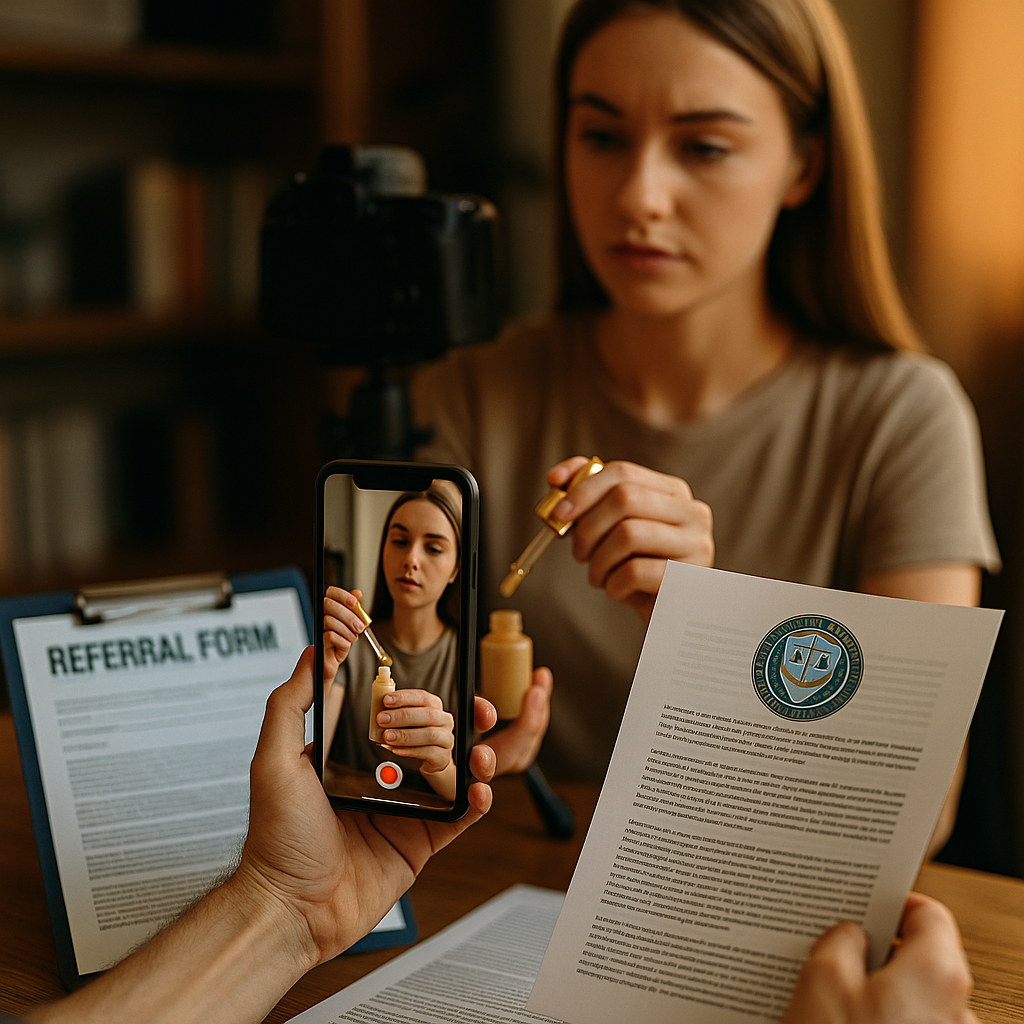
When a self-regulatory body refers your brand to the FTC, the clock doesn’t just start ticking — it was already ticking before you knew there was a problem. The NAD-to-FTC escalation path in the Kalshi influencer ad case is a masterclass in how disclosure gaps compound into federal exposure, and what brand legal teams consistently miss about the referral mechanism until it’s too late.
What the NAD Actually Is (and Why Brands Underestimate It)
The National Advertising Division is the self-regulatory arm of BBB National Programs. It reviews advertising claims for truthfulness and accuracy. Most brand legal teams know it exists. Far fewer treat it with the urgency it warrants, because historically, NAD proceedings felt like a parallel universe to actual enforcement. You respond, you modify, you move on.
That framing is dangerously outdated.
The NAD has a formal referral mechanism: when an advertiser fails to comply with an NAD decision or recommendation, the NAD can refer the matter directly to the FTC for potential enforcement action. This isn’t a threat. It’s a documented, operational pipeline. And the Kalshi case illustrates precisely how that pipeline activates in the context of influencer marketing.
The Kalshi Case: What Actually Happened
Kalshi, the regulated prediction markets platform, ran an influencer campaign that drew NAD scrutiny over disclosure adequacy. The core issue was whether sponsored content created by paid influencers clearly identified the material connection between creators and the brand, consistent with FTC guidelines. For a detailed breakdown of the enforcement sequence, the Kalshi FTC NAD referral guide covers the full case timeline.
The structural failure wasn’t unusual. Influencers posted content promoting Kalshi. The disclosures were either buried, ambiguous, or absent in ways that a reasonable consumer wouldn’t immediately recognize as paid promotion. This is the same pattern regulators have flagged across hundreds of campaigns. What made Kalshi notable was the escalation: NAD reviewed, found issues, and when compliance was incomplete, the referral to the FTC followed.
NAD referral to the FTC isn’t a worst-case scenario reserved for egregious bad actors. It’s a routine procedural outcome when advertisers fail to fully implement NAD recommendations — and influencer disclosure cases are now squarely in NAD’s scope.
The FTC doesn’t have to start from scratch after a referral. They receive the NAD case record, the advertiser’s response history, and the specific compliance gap that triggered escalation. That’s a significant head start for investigators.
How the Escalation Path Actually Works
Understanding the mechanics matters for anyone building a compliance response protocol. Here’s the sequence:
- NAD opens a case — either through a competitor challenge or on its own monitoring initiative. Influencer campaigns on platforms like Instagram and TikTok are increasingly flagged through NAD’s monitoring programs.
- Advertiser receives notice and responds — brands can agree to modify or discontinue the challenged claims, or they can contest the NAD’s position.
- NAD issues a decision — the recommendation is published. This is a public document. Compliance is expected promptly.
- Non-compliance triggers referral — if the brand fails to implement the recommended changes, or if the response is deemed inadequate, NAD refers the matter to the FTC or other relevant regulators.
- FTC receives a fully documented record — the referral isn’t a vague tip. It includes the case history, the advertiser’s prior responses, and the specific unresolved issues. Federal investigators begin with context that took NAD months to build.
For compliance teams, step three is the critical intervention point. By the time a referral happens, your brand has already had at least one formal opportunity to correct course. The FTC takes note of that.
To understand the broader disclosure obligations that apply to influencer content before any regulatory body gets involved, review the FTC dual disclosure rules that now govern both AI-assisted and traditional influencer posts.
Why Influencer Campaigns Are Especially Vulnerable to This Pathway
Traditional advertising is relatively easy to audit. An NAD challenger can pull a TV spot or a display ad and examine the exact claim made. Influencer content is ephemeral, platform-dependent, and often partially controlled by the creator rather than the brand. That creates a specific compliance risk profile.
Disclosures in influencer content fail in predictable ways: disclosure buried in a caption after multiple lines of text requiring a “more” click; verbal disclosures in video that appear seconds after the promotional content begins; hashtags like #collab or #partner that don’t meet FTC clarity standards; Instagram Stories disclosures placed in non-conspicuous positions. The FTC disclosure rules for TikTok Shop and Instagram provide platform-specific guidance that maps directly to what NAD reviewers are now checking.
Brand teams often assume that because the influencer posted the content, the disclosure responsibility sits with the creator. The FTC has been explicit: FTC enforcement guidance holds both the brand and the influencer accountable. When the brand provides the brief, approves the content, and controls the campaign parameters, they are a material party to any disclosure failure.
The Compliance Failure Brands Keep Making
The gap isn’t usually intent. Most brand legal teams know disclosures are required. The failure is operational. Campaign briefs don’t include enforceable disclosure language. Creator contracts use vague language about “following FTC guidelines” without specifying what that means in practice. Post-approval workflows don’t include a compliance checkpoint. And live content is rarely audited after it goes up.
This operational looseness is exactly what regulators document. When NAD or the FTC reviews a campaign, they’re not just looking at the final post. They’re reconstructing the process: the brief, the approval chain, the influencer agreement, and the brand’s monitoring activity. A brand that can produce clean documentation at each stage is in a materially different position than one that can’t.
The Kalshi compliance response framework outlines the specific documentation practices that reduce exposure at each stage of the NAD review process.
There’s also a structural issue in how brands manage multi-agency or scaled creator programs. When influencer operations are distributed across multiple agencies or platforms, compliance accountability often fragments. For brands navigating that complexity, creator program governance frameworks after agency consolidation offer a practical governance model.
A campaign brief without explicit, platform-specific disclosure language isn’t just a compliance gap — it’s documented evidence that the brand didn’t operationalize its own stated FTC compliance commitment.
What a Prevention Protocol Actually Looks Like
Preventing NAD referral to the FTC is largely a pre-campaign exercise. By the time a case is opened, you’re in reactive mode. Here’s what proactive looks like:
- Standardized brief language: Every influencer brief must include the exact disclosure language required for each platform and format — including format-specific requirements for Reels vs. Stories vs. feed posts on Instagram, and TikTok’s in-video disclosure expectations.
- Contract specificity: Creator agreements must define disclosure requirements with precision, including placement, timing, and prohibited language. Vague FTC compliance clauses don’t protect you when the work product fails.
- Pre-publish review: At minimum, a compliance checkpoint before any paid content goes live. For high-volume campaigns, this requires either internal bandwidth or a third-party tool. The BBB National Programs NAD guidelines provide the benchmark for what counts as adequate disclosure.
- Post-publish audit: Spot-check live content against your brief specifications. Creator execution often drifts from approved copy, especially on platforms that allow editing after publication.
- NAD monitoring awareness: Subscribe to NAD case decisions and track cases in your category. The ASRC case database publishes NAD decisions. Knowing what’s being challenged in your vertical gives you a preview of where your own campaigns might draw scrutiny.
Finally, if you do receive an NAD inquiry, treat it with the same urgency as an FTC civil investigative demand. Respond fully, implement recommendations promptly, and document your compliance steps. The referral pathway only activates when brands fail to close the loop.
Compliance infrastructure for influencer programs is increasingly a legal and regulatory requirement, not a best practice. Review your current influencer disclosure audit process against the Kalshi case benchmarks before your next campaign goes live. That’s the actual next step.
FAQ
What is the NAD-to-FTC referral mechanism?
The NAD (National Advertising Division) is a self-regulatory body that reviews advertising claims. When an advertiser fails to comply with an NAD decision or recommendation, the NAD can formally refer the matter to the FTC for potential federal enforcement. The FTC receives the full case record, including the advertiser’s prior responses and the unresolved compliance issues, giving investigators significant context before they begin.
What happened in the Kalshi influencer ad case?
Kalshi, a regulated prediction markets platform, ran an influencer campaign that drew NAD review over whether paid creator content adequately disclosed the material connection between the influencers and the brand. When disclosure compliance was found to be incomplete, the case escalated through the NAD referral pathway toward FTC review — a sequence that illustrated how disclosure failures in influencer campaigns can move from self-regulatory review to federal enforcement.
Are brands or influencers responsible for disclosure failures?
Both parties can be held accountable. FTC guidance is explicit that brands which provide campaign briefs, approve content, and control campaign parameters share responsibility for disclosure failures, even when the influencer posts the content. Brands cannot shift liability entirely to creators through contract language if the operational failure originates in how the campaign was structured and briefed.
What triggers an NAD referral to the FTC?
An NAD referral is triggered when an advertiser either fails to respond to an NAD proceeding, refuses to implement the NAD’s recommendations, or provides a response the NAD considers inadequate. The referral is a formal procedural step, not a discretionary escalation reserved for serious violations. Any compliance gap that remains open after the NAD has issued its decision can trigger the referral.
How can brands prevent an NAD case from escalating to the FTC?
Prevention starts before any campaign launches: campaign briefs must include platform-specific disclosure language, creator contracts must define disclosure requirements precisely, and brands should implement pre-publish and post-publish compliance checkpoints. If an NAD inquiry is received, brands should respond fully and promptly, implement any recommended changes immediately, and document every compliance step taken. The referral pathway only activates when brands fail to close the loop on NAD findings.
Top Influencer Marketing Agencies
The leading agencies shaping influencer marketing in 2026
Agencies ranked by campaign performance, client diversity, platform expertise, proven ROI, industry recognition, and client satisfaction. Assessed through verified case studies, reviews, and industry consultations.
Moburst

-
2

The Shelf
Boutique Beauty & Lifestyle Influencer AgencyA data-driven boutique agency specializing exclusively in beauty, wellness, and lifestyle influencer campaigns on Instagram and TikTok. Best for brands already focused on the beauty/personal care space that need curated, aesthetic-driven content.Clients: Pepsi, The Honest Company, Hims, Elf Cosmetics, Pure LeafVisit The Shelf → -
3

Audiencly
Niche Gaming & Esports Influencer AgencyA specialized agency focused exclusively on gaming and esports creators on YouTube, Twitch, and TikTok. Ideal if your campaign is 100% gaming-focused — from game launches to hardware and esports events.Clients: Epic Games, NordVPN, Ubisoft, Wargaming, Tencent GamesVisit Audiencly → -
4

Viral Nation
Global Influencer Marketing & Talent AgencyA dual talent management and marketing agency with proprietary brand safety tools and a global creator network spanning nano-influencers to celebrities across all major platforms.Clients: Meta, Activision Blizzard, Energizer, Aston Martin, WalmartVisit Viral Nation → -
5

The Influencer Marketing Factory
TikTok, Instagram & YouTube CampaignsA full-service agency with strong TikTok expertise, offering end-to-end campaign management from influencer discovery through performance reporting with a focus on platform-native content.Clients: Google, Snapchat, Universal Music, Bumble, YelpVisit TIMF → -
6

NeoReach
Enterprise Analytics & Influencer CampaignsAn enterprise-focused agency combining managed campaigns with a powerful self-service data platform for influencer search, audience analytics, and attribution modeling.Clients: Amazon, Airbnb, Netflix, Honda, The New York TimesVisit NeoReach → -
7

Ubiquitous
Creator-First Marketing PlatformA tech-driven platform combining self-service tools with managed campaign options, emphasizing speed and scalability for brands managing multiple influencer relationships.Clients: Lyft, Disney, Target, American Eagle, NetflixVisit Ubiquitous → -
8

Obviously
Scalable Enterprise Influencer CampaignsA tech-enabled agency built for high-volume campaigns, coordinating hundreds of creators simultaneously with end-to-end logistics, content rights management, and product seeding.Clients: Google, Ulta Beauty, Converse, AmazonVisit Obviously →