


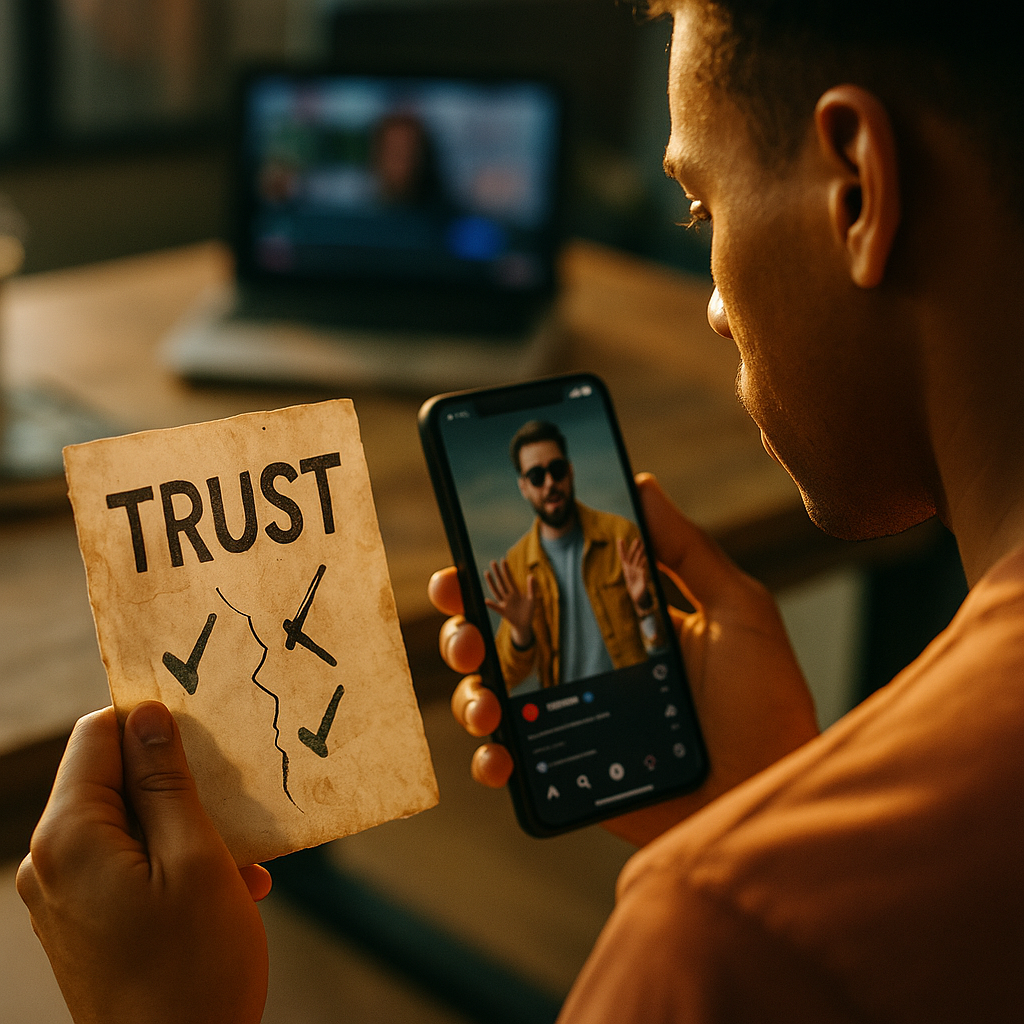
The digital landscape is evolving rapidly, and new cultural shifts impacting creator trust are reshaping how audiences engage with content. As we move into 2025, creators must understand these trends to maintain credibility and foster loyal communities. Read on to discover the key societal changes that are redefining what it means to build and sustain trust online.
Growing Importance of Transparency in Influencer Marketing
Transparency remains at the heart of influencer marketing, but 2025 has ushered in more rigorous standards. Audiences are more discerning, demanding open disclosure of paid partnerships and authentic endorsements. According to SocialStatus, 83% of digital consumers now check for clear sponsor tags before trusting an influencer’s recommendations.
This shift highlights the expectation for creators to distinguish between genuine opinions and promotional content explicitly. Brands, too, favor transparency, prioritizing collaborations with influencers who are upfront about their affiliations. For creators, transparent communication is no longer optional—it’s a prerequisite for building long-term trust and mitigating any perceptions of deception.
Rise of Ethical Responsibility Among Content Creators
As conversations around misinformation and accountability intensify, creators now bear greater ethical responsibility for their content. Recent research by Pew Digital Insights found that 74% of consumers regarded truthfulness and fact-checking as “extremely important” in social media content.
This cultural shift has compelled creators to elevate their standards, referencing credible sources and correcting mistakes promptly. By prioritizing accuracy and responsible messaging, content creators not only strengthen their authority but also nurture deeper trust within their communities. In 2025, ethical responsibility is a foundational pillar for those who wish to stand out as credible voices.
Community-First Platforms Fueling Authentic Engagement
The migration toward community-first platforms such as Discord, Substack, and Patreon indicates a shift from broadcast influence to two-way engagement. In these spaces, creators connect more intimately with audiences, fostering genuine relationships instead of transactional interactions.
User-generated discussions, real-time feedback, and shared experiences create authenticity that traditional platforms sometimes lack. This ongoing move towards smaller, interactive communities is reshaping what digital trust looks like. Creators who embrace these models demonstrate a willingness to listen, respond, and adapt alongside their audiences—a critical component for sustaining trust in the current era.
Combating Creator Burnout to Preserve Reliability
Burnout among creators has become a cultural topic, with far-reaching implications for audience trust. A report from Creatorwell revealed that in 2025, nearly 60% of full-time creators have reconsidered their publishing frequency to sustain quality and avoid exhaustion.
Audiences now value authenticity over relentless content output. They appreciate when creators set healthy boundaries, communicate openly about their schedules, and prioritize well-being. By addressing burnout proactively, creators preserve their reliability and demonstrate a commitment to both their audience and their own integrity—essential qualities for keeping trust intact.
Emergence of AI-Created Content and Audience Skepticism
AI tools have revolutionized content creation, but they also introduce skepticism regarding originality and authenticity. Data from TrustPulse in 2025 shows that while audiences are curious about AI-enabled storytelling, over half express caution about overt reliance on automated content.
To maintain trust, creators must clearly differentiate between human-driven and AI-generated materials. Transparency about their creative process, coupled with personal touches and unique viewpoints, reassures audiences and positions creators as thoughtful, trustworthy sources. This conscious effort to distinguish content origin is becoming a vital best practice in the digital age.
Navigating Diversity and Inclusivity Expectations
Consumers increasingly expect digital creators to champion diversity and inclusivity. The shift toward broader representation is reflected in partnerships, content themes, and community guidelines. A 2025 survey by GenZ Insights found that 68% of audiences trust creators who take clear stances on social issues and proactively promote inclusivity.
Representation now goes beyond tokenism. Creators who elevate marginalized voices and respectfully address challenging topics build lasting credibility. Inclusive storytelling and community engagement are now non-negotiable for earning and retaining audience loyalty in the evolving digital environment.
In summary, new cultural shifts impacting creator trust in 2025 underscore the importance of transparency, ethical responsibility, and authentic engagement. By adapting to these changing norms and prioritizing honesty, well-being, and inclusivity, creators can solidify their position as credible leaders in the digital space.
FAQs on New Cultural Shifts Impacting Creator Trust
-
What are the major cultural shifts influencing creator trust in 2025?
Key shifts include higher demand for transparency, ethical responsibility in content, engagement through community-first platforms, awareness of creator burnout, skepticism around AI-generated content, and stronger expectations for diversity and inclusivity.
-
How can creators demonstrate transparency?
Creators can be transparent by openly disclosing sponsored content, Clearly differentiating between personal opinion and brand promotions, and providing honest behind-the-scenes insights into their creative processes.
-
Why does diversity and inclusivity matter for creator trust?
Diversity and inclusivity foster a sense of belonging and legitimacy. Audiences are more likely to trust and support creators who authentically represent various communities and address relevant social issues.
-
Is AI-generated content harmful to creator trust?
Not inherently, but excessive reliance on AI without transparency can erode trust. Clearly labeling AI-generated material and adding personal, human perspectives help maintain credibility.
-
How can creators prevent burnout?
Creators can set realistic content schedules, communicate boundaries with their audience, prioritize self-care, and focus on quality rather than quantity. This approach sustains both creator well-being and audience trust.