


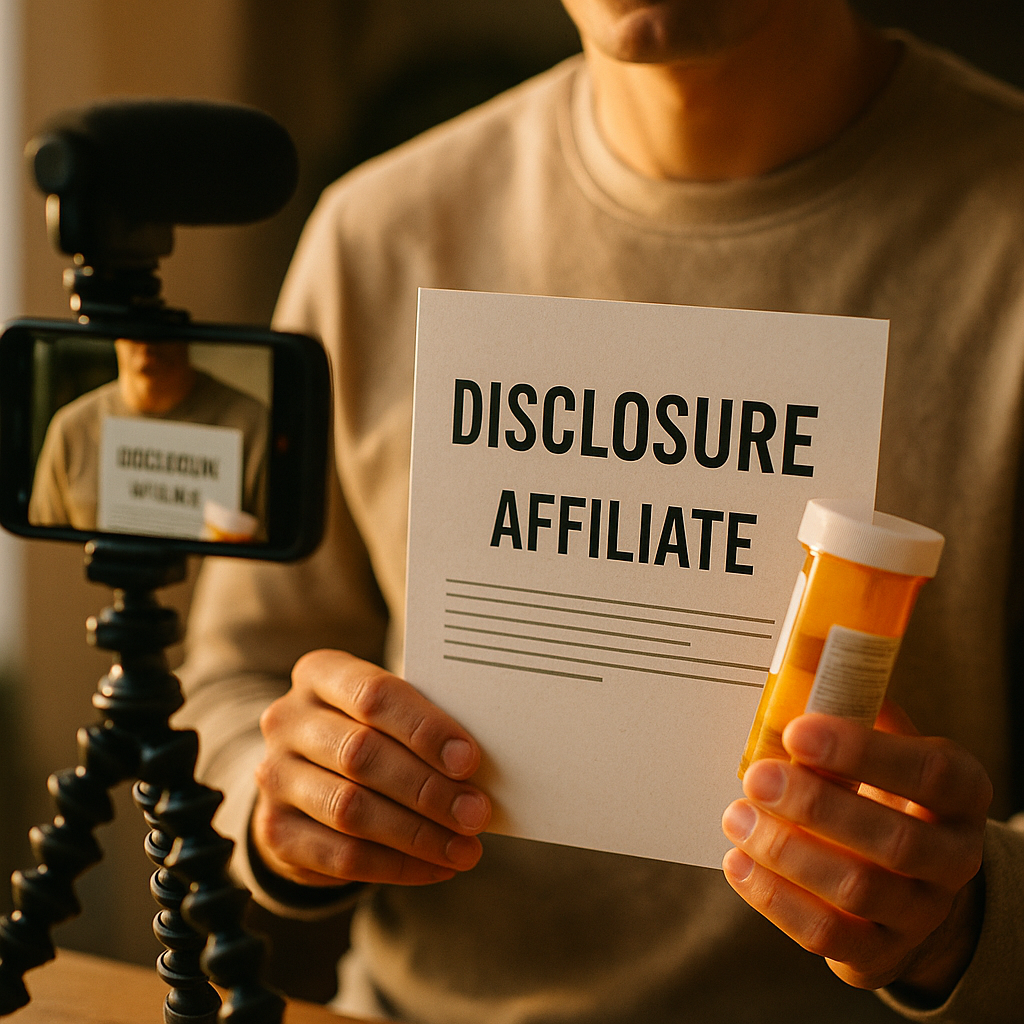
Understanding key disclosure rules for creator affiliate campaigns is essential in 2025 as regulations evolve and digital trust becomes vital. Today, creators face staunch scrutiny from consumers and authorities alike. So, what rules must you follow, and what best practices protect you? Let’s unravel the crucial disclosure rules shaping transparent, compliant affiliate campaigns this year.
Understanding Affiliate Marketing Disclosure Requirements in 2025
Affiliate marketing remains a lucrative avenue for creators, bloggers, and influencers. But with opportunity comes responsibility—especially regarding legal disclosure. In 2025, regulatory bodies like the FTC and their international counterparts continue to tighten guidelines to ensure that consumers understand when content is sponsored or incentivized.
The primary rule: if you receive compensation (money, products, or any benefit) for endorsing or mentioning a product, you must disclose this relationship clearly and conspicuously. This applies to all formats—blogs, YouTube videos, TikToks, Instagram posts, livestreams, and more. Regulatory focus is now on the clarity, placement, and consistency of your disclosures, not just their existence. Transparency is non-negotiable for compliant affiliate promotions.
Best Practices for Clear and Conspicuous Disclosure
The phrase “clear and conspicuous” is at the heart of proper affiliate disclosure. In 2025, creators must go beyond vague references or hidden disclaimers. Here’s how to get it right:
- Plain Language: Use straightforward wording like “This post contains affiliate links. I may earn a commission if you make a purchase.”
- Proximity: Place disclosures at the beginning of your post, video, or description—never buried in footnotes or after a “see more” link.
- Visual Cues: For video or live streams, verbally state the affiliation within the first minutes and display it visually (e.g., on-screen text).
- Consistency Across Channels: Use similar language and positioning on every platform—your website, social media bios, podcast intros, and email newsletters.
- Language of the Audience: Disclose in the primary language your audience uses, especially for non-English content.
Regulators, platforms, and savvy audiences seek genuine transparency—so treat every post as if it will be audited.
Legal Consequences and Penalties for Non-Disclosure
Regulatory agencies have ramped up enforcement in 2025. The FTC, for example, has increased fines, with penalties for non-disclosure ranging from thousands to millions of dollars, depending on the violation’s scale and recurrence. High-profile cases have led to settlements, mandatory compliance training, and even bans from certain platforms.
Non-disclosure also damages a creator’s credibility and brand partnerships. Trusted brands demand provable compliance from affiliates, and social platforms now flag and downgrade non-compliant content.
It’s not just about avoiding fines; it’s about sustaining your reputation and long-term income stream. Robust documentation—screenshots, campaign briefs, and saved disclosures—can offer essential protection if your compliance is ever questioned.
Key Disclosure Formats by Platform and Content Type
Each platform has unique nuances for affiliate disclosure, and 2025’s rules demand platform-specific adaptation:
- Blog Posts: Place a clear disclosure sentence before any affiliate links or recommendations. Avoid only placing disclosures in sidebars or at the very end.
- Instagram & TikTok: Add disclosures such as “#ad” or “#affiliate” within the first three hashtags and mention the sponsorship verbally in stories or videos.
- YouTube: Use the paid promotion toggle, mention sponsorship in the first 30 seconds, and show on-screen text. Expand upon details in video descriptions.
- Podcasts: Add a verbal disclosure in the intro or before the sponsored segment, and include written notes in episode descriptions.
- Livestreams: Regularly remind viewers of affiliate links, pin disclosures in chat, and include overlays during sponsored segments.
The guiding principle: your average follower should never be confused about your relationship with any promoted product.
Building Audience Trust Through Transparent Affiliate Practices
While compliance is non-negotiable, full transparency also deepens trust—the currency of creator success. Recent surveys (Global Influencer Marketing Report, 2025) show that 84% of consumers are more likely to buy when disclosure is clear, and 65% say it increases respect for the creator.
Actionable tips:
- Share why you chose the affiliate partner—authentic endorsements outperform generic promotions.
- Respond promptly to follower questions about links and commissions.
- Regularly update old content to reflect current disclosure standards.
- Use analytics to track audience response and refine your approach.
In the competitive landscape of 2025, building a reputation for honesty wins repeat business and brand collaboration opportunities.
Staying Updated: Evolving Rules and Industry Resources
Affiliate disclosure requirements evolve annually. To avoid missteps, follow regulatory and industry updates closely. The FTC, ASA (UK), and local consumer authorities update guidelines and offer examples. Leading affiliate platforms and major social media companies often publish their own rules, and may even introduce automated compliance checks.
Consider subscribing to legal blogs, compliance newsletters, and joining creator groups focused on regulatory updates. Many affiliate networks now provide templates and compliance toolkits. When in doubt, consult a digital advertising attorney active in the creator economy. Being proactive is the best defense.
Frequently Asked Questions
- What is an affiliate disclosure?
An affiliate disclosure is a clear statement indicating that content includes links or recommendations for which the creator receives compensation, such as a commission on sales. - Where should I put affiliate disclosures?
Place disclosures at the very beginning of your content or wherever a reader, viewer, or listener would first encounter the affiliate link or recommendation. Never hide them in footnotes or after a “read more” break. - Does “#ad” alone meet disclosure requirements?
In most cases, “#ad” is sufficient if used prominently and early (first three hashtags) on platforms like Instagram or TikTok. However, clarify further if space allows, especially for more complex compensation relationships. - What are the penalties for failing to disclose affiliate links?
Penalties can include hefty fines, removal of your content, suspension from platforms, required compliance training, and loss of trust from both audiences and brands. - Are affiliate disclosure rules the same across countries?
No. While the principles are similar, different countries and regions may have additional or stricter requirements. Always refer to local regulations applicable to your main audience.
In summary, mastering key disclosure rules for creator affiliate campaigns in 2025 secures your reputation, ensures legal compliance, and strengthens audience trust. Transparent disclosure is both an ethical obligation and a winning business strategy for every creator in today’s digital landscape.
Top Influencer Marketing Agencies
The leading agencies shaping influencer marketing in 2026
Agencies ranked by campaign performance, client diversity, platform expertise, proven ROI, industry recognition, and client satisfaction. Assessed through verified case studies, reviews, and industry consultations.
Moburst

-
2

The Shelf
Boutique Beauty & Lifestyle Influencer AgencyA data-driven boutique agency specializing exclusively in beauty, wellness, and lifestyle influencer campaigns on Instagram and TikTok. Best for brands already focused on the beauty/personal care space that need curated, aesthetic-driven content.Clients: Pepsi, The Honest Company, Hims, Elf Cosmetics, Pure LeafVisit The Shelf → -
3

Audiencly
Niche Gaming & Esports Influencer AgencyA specialized agency focused exclusively on gaming and esports creators on YouTube, Twitch, and TikTok. Ideal if your campaign is 100% gaming-focused — from game launches to hardware and esports events.Clients: Epic Games, NordVPN, Ubisoft, Wargaming, Tencent GamesVisit Audiencly → -
4

Viral Nation
Global Influencer Marketing & Talent AgencyA dual talent management and marketing agency with proprietary brand safety tools and a global creator network spanning nano-influencers to celebrities across all major platforms.Clients: Meta, Activision Blizzard, Energizer, Aston Martin, WalmartVisit Viral Nation → -
5

The Influencer Marketing Factory
TikTok, Instagram & YouTube CampaignsA full-service agency with strong TikTok expertise, offering end-to-end campaign management from influencer discovery through performance reporting with a focus on platform-native content.Clients: Google, Snapchat, Universal Music, Bumble, YelpVisit TIMF → -
6

NeoReach
Enterprise Analytics & Influencer CampaignsAn enterprise-focused agency combining managed campaigns with a powerful self-service data platform for influencer search, audience analytics, and attribution modeling.Clients: Amazon, Airbnb, Netflix, Honda, The New York TimesVisit NeoReach → -
7

Ubiquitous
Creator-First Marketing PlatformA tech-driven platform combining self-service tools with managed campaign options, emphasizing speed and scalability for brands managing multiple influencer relationships.Clients: Lyft, Disney, Target, American Eagle, NetflixVisit Ubiquitous → -
8

Obviously
Scalable Enterprise Influencer CampaignsA tech-enabled agency built for high-volume campaigns, coordinating hundreds of creators simultaneously with end-to-end logistics, content rights management, and product seeding.Clients: Google, Ulta Beauty, Converse, AmazonVisit Obviously →