


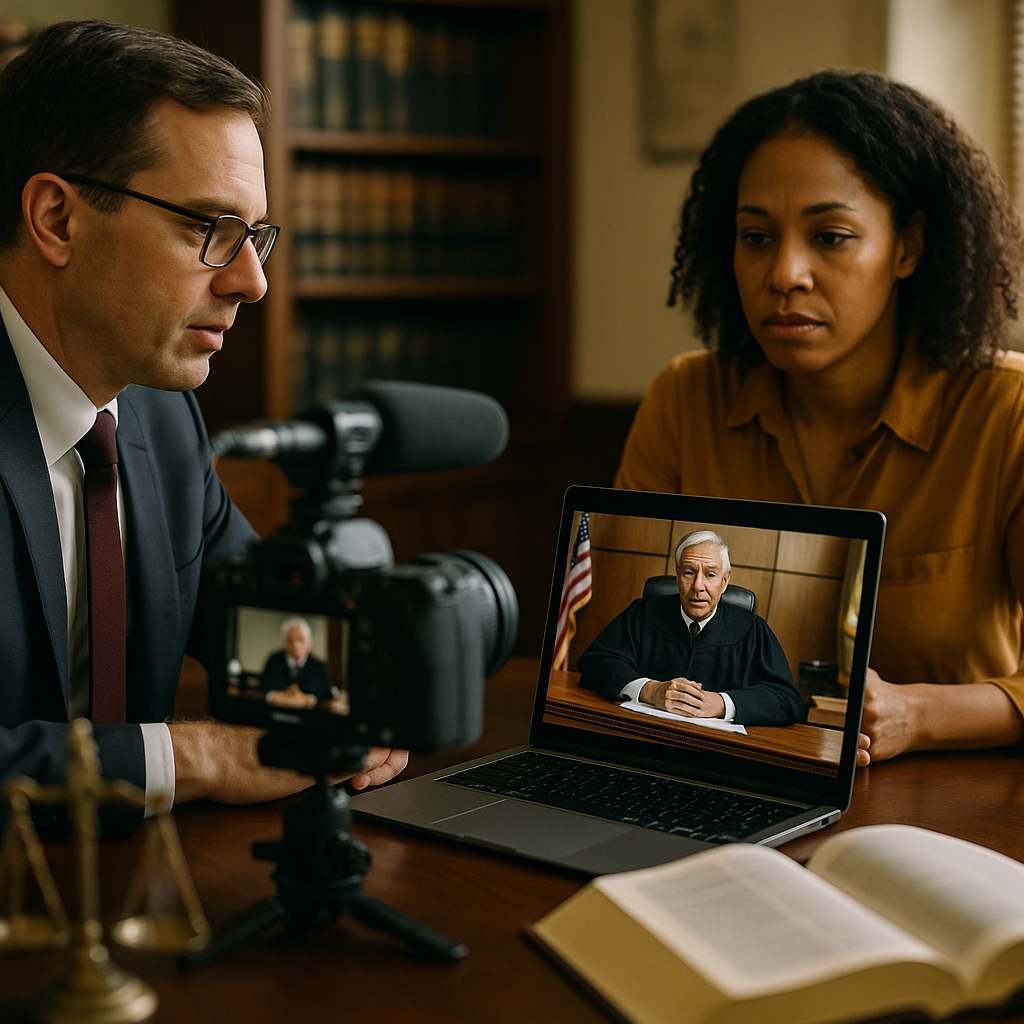
Case Study: A Law Firms Success with Educational Short Documentaries shows how a mid-sized practice can turn complex legal topics into clear, trusted stories that attract the right clients. In 2025, attention is scarce, but credibility still wins. This case study explains the strategy, production process, and measurable results behind a documentary-first approach that elevated visibility and consultations—without gimmicks. Want to see what actually worked?
Educational legal videos: The firm, the audience, and the goal
The firm in this case study is a mid-sized, multi-practice law office serving a metro area with strong competition in personal injury, employment, and small-business disputes. For years, their marketing relied on search ads, local sponsorships, and standard blog content. The team noticed two recurring problems:
- Low-quality leads: Many calls came from people who did not fit the firm’s case criteria or budget.
- Trust gap: Prospects compared firms primarily on price or surface-level reviews, not fit or expertise.
The managing partner and marketing lead set one clear objective: increase qualified consultations while protecting the firm’s reputation. They did not want “viral” content. They wanted pre-educated prospects who understood timelines, risks, and what the firm would need to evaluate a case.
They chose educational short documentaries because they address the real question many prospects ask before they call: “Do you understand my situation, and can I trust your guidance?” Documentaries offered a format that feels transparent, allows nuance, and showcases attorney judgment without crossing into legal advice.
To keep the approach compliant and ethical, the firm aligned each episode with a defined informational purpose, added clear disclaimers, and used real-world scenarios without revealing confidential details.
Legal marketing strategy: Why short documentaries beat generic explainers
The firm had already produced conventional “What is negligence?” videos and found they rarely drove meaningful engagement. The shift came from reframing content around decision points rather than definitions. Instead of explaining a legal term, each documentary answered a practical question a real client asks.
Three strategic reasons the firm selected short documentaries:
- They demonstrate expertise in context: Explaining how evidence, deadlines, or negotiations play out in the real world signals experience more effectively than reciting rules.
- They build trust through process transparency: Prospects learn what happens after the intake call, what documents matter, and why some cases are declined.
- They qualify leads: By clarifying typical timelines, the role of medical records, or the realities of damages, the content discourages poor-fit inquiries.
The firm also used documentaries to support Google’s helpful-content expectations: each episode targeted a narrow intent, used plain language, and included next steps that helped viewers make informed choices. That alignment mattered, because discovery increasingly happens across search, video, and local results.
Importantly, the firm avoided dramatized reenactments that could feel manipulative. They focused on educational narratives featuring attorneys, a paralegal, and occasionally outside professionals (like a workplace safety consultant) who could speak to process and prevention rather than outcomes.
Attorney video branding: The content format, episodes, and production workflow
The firm produced a documentary series built around a repeatable structure, so quality stayed high without bloating costs. Each episode ran 4–7 minutes and followed the same viewer-friendly arc:
- The situation: A common scenario (for example, a rear-end collision with delayed symptoms, a severance agreement under time pressure, or a contractor payment dispute).
- The decisions: What choices matter in the first 48 hours, first 30 days, and before signing anything.
- The evidence: What documents, photos, and timelines typically help an attorney evaluate the matter.
- The process: A high-level view of intake, investigation, negotiation, and potential litigation steps.
- Realistic expectations: What can slow a case down, common misconceptions, and when it makes sense to consult counsel.
To keep messaging accurate and ethically sound, the firm implemented a simple workflow:
- Topic selection by intake data: The marketing lead reviewed call logs and consultation notes to find recurring questions and confusion points.
- Attorney outline + compliance check: A designated attorney created the outline, then a second attorney reviewed for accuracy, confidentiality, and jurisdiction-specific constraints.
- Plain-language scripting: The script avoided absolutes and guarantees. It used “often,” “typically,” and “depends on your facts,” and highlighted that viewers should consult counsel for advice.
- Lean filming days: Two filming days per month captured multiple episodes, plus B-roll of the office, document review, and neutral settings.
- Editing for clarity: The editor prioritized pacing, on-screen definitions, and chapter-style transitions to reduce confusion.
The firm’s attorneys also adopted a consistent on-camera style that improved brand recall: calm delivery, direct answers, and no legal jargon unless immediately defined. This created a recognizable “signal” across platforms, making the firm feel familiar by the time prospects called.
Client trust building: EEAT signals that made the series credible
Educational content performs best when it is both discoverable and trustworthy. The firm intentionally built EEAT signals into every documentary and its supporting pages. The goal was not to “appear authoritative,” but to earn confidence through verifiable clarity.
Key trust-building choices included:
- Clear attorney attribution: Each episode identified the on-screen attorney’s role and practice focus, reinforcing that the speaker is qualified to explain the topic.
- Scope and disclaimers: Every video and page included a concise statement that the content is for general information, not legal advice, and that outcomes depend on specific facts.
- Jurisdiction clarity: The firm stated the states where it practices and reminded viewers that laws vary.
- Evidence-first education: The content focused on documents, timelines, and decision-making rather than dramatic claims. Viewers learned what information they should gather before calling any lawyer.
- Balanced discussion of options: Episodes covered alternatives, including self-help steps, mediation, or when a matter may not justify legal fees. This reduced skepticism and improved lead quality.
The firm also built “helpful follow-up” into the experience. Each episode had a companion page summarizing the key points, a short checklist, and a plain-language explanation of what to expect in a consultation. This answered common follow-up questions inside the content, such as:
- “What should I bring to a consult?” The checklist answered that directly.
- “How fast should I act?” The content explained common timing risks without giving individualized advice.
- “Will you take my case?” The firm explained evaluation criteria and why some cases are declined.
In 2025, audiences scrutinize professional claims. By being specific about process and careful about certainty, the firm positioned itself as a reliable guide rather than a sales pitch.
Video SEO for law firms: Distribution, local visibility, and on-site integration
The firm treated documentaries as a search-and-conversion asset, not just social content. Distribution followed a simple rule: one documentary, many entry points.
They used a three-layer placement model:
- Owned channels: Each video lived on the firm’s site in a relevant practice-area hub and on a dedicated video library page.
- Video platforms: Episodes were published with consistent titles, detailed descriptions, and topic-focused playlists to help viewers binge related content.
- Local discovery: The firm clipped 30–45 second highlights for local audiences and linked back to the full episode and companion page.
On the website, the team integrated documentaries into the exact pages prospects visit before contacting a firm:
- Practice pages: A documentary sat near the top, answering the most common “Should I call a lawyer?” question for that practice.
- FAQ clusters: Short documentary clips supported written answers, improving time-on-page and comprehension.
- Consultation pages: A “What happens next” documentary reduced friction and no-show risk.
They also optimized for accessibility and usability. Every video included captions, and the companion page summarized the main points for readers who prefer text. This improved engagement across devices and reduced the chance that critical information would be missed.
To keep the series aligned with client needs, the firm used a quarterly “content audit” based on search queries, intake feedback, and changes in common dispute patterns. That ensured the content remained accurate, relevant, and consistent with the firm’s current case focus.
Law firm lead generation: Measured results and what changed operationally
The firm evaluated success with practical business metrics, not vanity views. They tracked three buckets: visibility, lead quality, and operational efficiency. They also added one intake question: “Did you watch any of our videos?” and noted which episode influenced the call.
Within two quarters of consistent publishing, the firm observed:
- More qualified consultations: Prospects arrived with better documentation and more realistic expectations, making consults more productive.
- Fewer poor-fit inquiries: Episodes that explained thresholds and timelines reduced calls that were unlikely to proceed.
- Shorter intake cycles: Intake staff spent less time repeating basic explanations because prospects had already learned the process.
- Higher trust at first meeting: Attorneys reported that prospects referenced specific points from episodes, indicating genuine engagement.
The biggest operational change was internal: the firm created a shared “education library” used by intake staff, attorneys, and even referral partners. When a prospect asked a common question, staff could send the relevant episode and checklist. This supported consistent messaging and reduced errors.
They also used the documentaries to strengthen referral relationships. Other professionals appreciated sending clients to a clear, neutral explainer that did not overpromise. That made the firm easier to recommend, especially when the referrer wanted the client to understand process before booking a consultation.
The firm’s takeaway was straightforward: educational documentaries do not replace legal services; they make the first conversation better. By aligning content with real intake questions and focusing on process, the firm increased both trust and efficiency.
FAQs
What is an educational short documentary for a law firm?
An educational short documentary is a 4–7 minute video that explains a real legal situation through a narrative structure: what happened, what decisions matter, what evidence helps, and what the legal process typically looks like. It teaches viewers how to think about the issue without giving individualized legal advice.
How many episodes does a law firm need to see results?
Most firms see meaningful traction after publishing a small, consistent set of episodes that match core practice areas. A focused library that answers the top 10–15 intake questions usually performs better than sporadic one-off videos because it creates repeat viewing and clearer topical authority.
Do educational documentaries create ethics or compliance risks?
They can if the firm makes guarantees, discusses confidential facts, or implies a lawyer-client relationship. Risk drops significantly when attorneys review scripts, disclaimers are clear, jurisdiction is stated, and content stays informational and process-focused.
What topics work best for legal documentaries?
Topics tied to client decisions and timelines work best: what to do after an accident, what to bring to a consultation, how severance agreements are evaluated, how business disputes typically progress, and what evidence is useful. These subjects help prospects act responsibly and decide whether to consult counsel.
How do you measure ROI from documentary-style legal content?
Track consultation requests, signed matters, and lead quality indicators such as documentation readiness and fit. Add an intake question about which video influenced the call, and monitor whether consult time decreases because prospects arrive better informed.
Should a law firm put these videos on its website or only on video platforms?
Both. Hosting videos on the website with companion pages improves conversions by supporting key practice pages and FAQs. Publishing on video platforms expands discovery. The best approach connects both with clear links and consistent titles and descriptions.
How long should each documentary be in 2025?
Most viewers respond well to 4–7 minutes for a single focused question. If the topic is complex, it is usually better to create a short series than one long video, so each episode stays clear and searchable.
Educational short documentaries helped this firm turn legal complexity into client-ready clarity. By anchoring every episode to real intake questions, using attorney-reviewed scripts, and distributing content through practice pages and local channels, the firm improved lead quality and reduced wasted consultations. The clear takeaway: build trust by teaching process, not by chasing hype, and your content will support growth sustainably.